
Cancer therapy saves lives, but it can leave your body struggling to recover. Radiation and chemotherapy target cancer cells effectively, yet healthy tissue often gets caught in the crossfire.
Hyperbaric oxygen therapy (HBOT) is one option that has gained attention. HBOT involves breathing pure oxygen in a pressurized chamber, allowing your lungs to take in much more oxygen than normal. While HBOT is not a cancer cure, the FDA has approved it for treating delayed radiation injuries.
Here is a simple guide to how HBOT might fit into your cancer recovery journey.
How HBOT May Support Cancer Patients
The core idea behind HBOT is simple. More oxygen in your blood may help damaged tissues heal. For cancer patients, this could offer support in several specific areas.
Radiation Injury Recovery
Radiation therapy can damage healthy tissue surrounding a tumor. Some patients develop complications months or even years after therapy ends. The FDA has approved hyperbaric oxygen therapy specifically for these delayed radiation injuries.
Common radiation injuries that HBOT may help with include:
- Tissue damage in the bladder, bowel, or chest wall
- Bone damage in the jaw (called osteoradionecrosis)
- Non-healing wounds in areas that received radiation
- Chronic pain and inflammation from past therapy
New Blood Vessel Formation
Radiation often damages blood vessels in the therapy area. Without good blood flow, tissues struggle to get the oxygen and nutrients needed for repair. Hyperbaric oxygen therapy for cancer sessions may encourage your body to grow new blood vessels in these compromised areas.
Reducing Inflammation and Swelling
Increased oxygen levels may help calm inflammation in damaged tissues. For patients dealing with swelling or discomfort from past therapy, this could offer some relief.
Managing Chemotherapy Side Effects
Some patients report that hyperbaric oxygen therapy for cancer recovery helps with common chemotherapy side effects, which might include:
- Fatigue that lingers during or after therapy
- Cognitive difficulties are sometimes called “chemo brain.”
- Slow wound healing after cancer surgery
- Digestive tract inflammation
Supporting Overall Tissue Repair
At its core, HBOT floods your body with oxygen. Oxygen plays a key role in how your body repairs itself. For cancer patients whose tissues have been through a lot, this extra oxygen supply may give the body additional resources for healing.

Important Considerations Before Starting HBOT
HBOT is generally well-tolerated, but it is not right for everyone. Here is what you should know before considering this therapy.
What HBOT Cannot Do
Hyperbaric oxygen therapy is not a cancer therapy. Major health organizations do not recommend it for fighting cancer directly. Some laboratory studies have explored whether extra oxygen might make tumors more sensitive to therapy, but these findings have not translated into proven clinical benefits.
Note: HBOT is not a cancer therapy. It is generally not recommended to initiate hyperbaric oxygen therapy in individuals with active, untreated cancer. Because HBOT increases oxygen levels in body tissues, there is a theoretical concern that this environment could influence tumor activity. Decisions about HBOT use should always be made on a case-by-case basis in consultation with a qualified healthcare professional, taking into account the individual’s cancer status and overall therapy plan.
Read More: What Hyperbaric Oxygen Therapy Is And Why It Is Used
Potential Side Effects
Most people handle hyperbaric oxygen therapy without major issues. Temporary side effects might include:
- Ear pressure or popping, similar to what you feel on an airplane
- Short-term changes in vision
- Mild tiredness after sessions
Serious complications like oxygen toxicity are rare when therapy is administered properly by trained professionals.
Medication Interactions
Certain chemotherapy drugs may not mix well with HBOT. Coordination between your oncology team and your HBOT provider is essential. Always share your full medication list before starting sessions.
Who Should Use Extra Caution
Let your care team know if you have any of the following before starting hyperbaric oxygen therapy:
- Lung conditions or a history of collapsed lung
- Recent ear surgery or ear problems
- Seizure disorders
- A current cold, fever, or sinus infection
What a Typical Therapy Looks Like
For radiation injuries, most therapy plans involve 20 to 40 sessions. Each session lasts about 60 to 90 minutes. You relax in the chamber while the pressure gradually increases, and many patients read or rest during therapy.
The RMRM Difference: Why Our Chamber Works Differently
Unlike traditional hospital-based HBOT programs, Rocky Mountain Regenerative Medicine offers a different approach to hyperbaric oxygen therapy, one designed with flexibility and patient needs in mind.
Advanced Chamber Technology
Traditional hospital HBOT units often use multiplace chambers that flood the entire chamber with 100% oxygen. This design creates operational constraints and safety considerations.
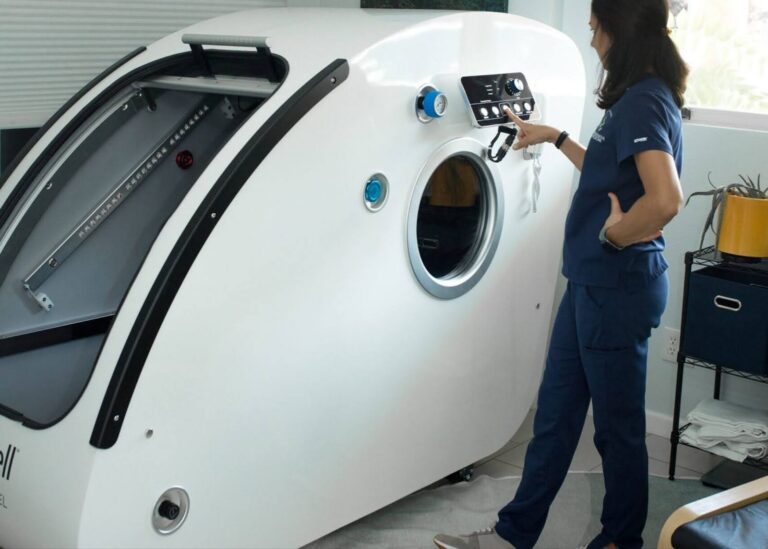
At RMRM, we utilize a monoplace chamber system pressurized to 2.0 ATA, where oxygen is delivered via mask rather than chamber flooding. Here’s what this means for you:
- Bring your devices: You can bring electronics into the chamber (laptops, phones, tablets), essential if you’re a professional who cannot disconnect for 60-90 minutes. Many patients read, work, or rest comfortably during sessions.
- Enhanced safety: Lower fire risk compared to whole-chamber oxygen systems.
- Optimal pressure: Our 2.0 ATA capability allows for enhanced oxygen delivery compared to many competing facilities.
Scheduling and Access
Hospital-based HBOT programs are encumbered by insurance pre-authorizations, limited slots, and wait times that can stretch for months. For cancer survivors dealing with radiation complications, timing matters; you may need therapy sooner rather than later.
We operate outside the insurance straitjacket. HBOT is available whether you’re a member of our annual optimization program or not. However, members receive priority booking, meaning when you need therapy, you’re not waiting behind a months-long queue. If you’re facing acute radiation complications or post-surgical recovery needs, you can often start therapy within days rather than months.
What Your Session Looks Like at RMRM
You’ll relax comfortably in our chamber while the pressure gradually increases. You can read, work on your laptop, or simply rest during the 60-90 minutes of therapy. Unlike some facilities, you’re not isolated or confined in a rigid environment; you’re in a comfortable space where you can stay productive or relaxed.
Integration with Your Broader Recovery Plan
HBOT doesn’t function in isolation at RMRM. It integrates with your complete approach to healing and optimization:
- Stem Cell Synergy
If you’ve invested in stem cell therapy for tissue repair, HBOT creates the optimal environment for those cells to survive and function. The hyper-oxygenated tissue beds support angiogenesis and reduce inflammatory cytokines that might otherwise compromise your cellular investment. We often coordinate HBOT sessions immediately following stem cell deployment to maximize integration.
- Peptide and Hormone Support
For patients undergoing peptide protocols or hormone optimization as part of their recovery, HBOT enhances cellular responsiveness by improving tissue perfusion and metabolic function.
- Pre- and Post-Surgical Enhancement
HBOT can accelerate recovery from cancer-related surgeries, reducing swelling, minimizing scar tissue formation, and supporting tissue healing post-operatively.
Conclusion
Hyperbaric oxygen therapy for cancer recovery in Boulder, CO, may offer meaningful support for cancer patients dealing with radiation injuries or lingering therapy side effects. While it cannot cure cancer, it could help your body recover and improve your quality of life during a challenging time.
Rocky Mountain Regenerative Medicine offers hyperbaric oxygen therapy as part of a personalized approach to healing and longevity. For ongoing care, our annual memberships provide priority booking, regular biomarker testing, and discounts on in-house services, with plans starting at $475/month. Women navigating perimenopause or menopause alongside cancer recovery may also benefit from our Thrive: Women’s Health & Hormone Program, a flexible pay-as-you-go option focused on hormone balance and energy restoration.
Contact us or book an appointment to discuss which approach fits your recovery journey.
Medical Disclaimer: Hyperbaric oxygen therapy is FDA-approved for specific conditions, including delayed radiation injury and certain wound types. HBOT is not a cancer therapy. Individual results vary. Always coordinate with your oncology team before beginning HBOT, especially regarding medication interactions.