
Maybe your skin has lost some of its glow. Maybe you feel more run down than you used to, or your body just does not bounce back the way it once did. When you are doing everything right and still feeling off, that frustration is real.
One piece of the puzzle that commonly goes overlooked is glutathione. Frequently called the “master antioxidant,” glutathione plays a central role in protecting your cells, supporting your liver, and keeping your immune system working well. The problem is that levels naturally decline with age, stress, and everyday exposure to environmental toxins.
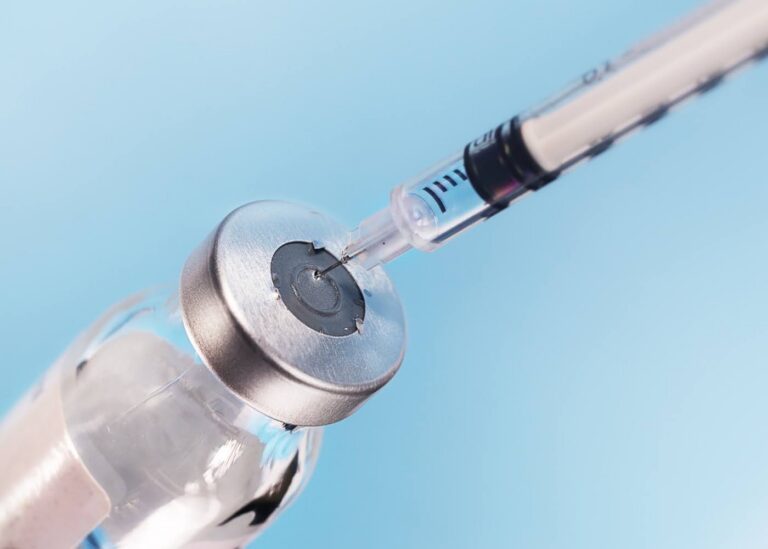
A glutathione injection delivers this antioxidant directly into your bloodstream, skipping the digestive system entirely. For adults in Boulder, CO, and across the country exploring skin support, detoxification, or immune health, glutathione injections have become an increasingly popular option in IV therapy clinics.
Table of Contents
- What Is Glutathione and Why Does Your Body Need It?
- What Does a Glutathione Injection Do?
- Glutathione for Skin: How It May Help
- Glutathione and Detox: Supporting Your Liver
- Immune Support: How Glutathione May Help Your Defenses
- Glutathione vs. Vitamin C for Skin: How Do They Compare?
- Is Glutathione Injection Safe?
- What to Expect During a Glutathione Injection
- Conclusion
- Frequently Asked Questions
What Is Glutathione and Why Does Your Body Need It?
Glutathione is a tripeptide made from three amino acids: cysteine, glycine, and glutamic acid. Every cell in your body contains it, and your liver produces most of the supply.
Why Is Glutathione Called the “Master Antioxidant”?
Most antioxidants can only do their job once before being used up, but glutathione works differently. A review published in the Journal of Nutrition found that glutathione can regenerate itself and help recycle other antioxidants like vitamin C and vitamin E back into their active forms.
Your body relies on glutathione for several core functions:
- Cell protection: May help neutralize free radicals that damage your cells
- Detoxification: May help your liver break down and remove toxins, heavy metals, and waste
- Immune regulation: May support white blood cell activity, especially lymphocytes
As you age, glutathione levels naturally decline, and chronic stress, poor sleep, alcohol, smoking, and pollution exposure can speed up that drop even further.
What Does a Glutathione Injection Do?
Oral glutathione supplements are widely available, but stomach acid and digestive enzymes break down much of the compound before it reaches your bloodstream, which is why many people turn to injections instead.
How Are Glutathione Injections Delivered?
Clinics typically offer three delivery methods: IV drip (infused over 20 to 40 minutes, sometimes combined with B vitamins or vitamin C), IV push (a concentrated dose via syringe over 5 to 15 minutes), and intramuscular injection (injected into a muscle in just a few minutes). A qualified provider can recommend the best approach based on your goals, and dosages generally range from 600 mg to 2,000 mg per session.
Glutathione for Skin: How It May Help
One of the most talked-about glutathione injection benefits is skin support, and the reason comes down to how this antioxidant interacts with melanin production.
How Does Glutathione Affect Skin Tone?
According to a review published in the Indian Journal of Dermatology, Venereology and Leprology, glutathione may help brighten the skin through direct and indirect inhibition of tyrosinase, the enzyme central to melanin production. Glutathione may also shift melanin production from eumelanin (darker pigment) toward pheomelanin (lighter pigment), which could result in a more even complexion over time.
People who explore glutathione for skin often report improvements in:
- Overall skin brightness and radiance
- Dark spots and uneven tone
- Skin texture and hydration
Results tend to be gradual, and most practitioners suggest 6 to 10 weekly sessions before noticeable changes appear, with monthly maintenance to help sustain effects. Glutathione does not bleach the skin, and any changes work within your body’s natural pigment pathways.
Glutathione and Detox: Supporting Your Liver
Your liver is your body’s primary detoxification organ, and glutathione is one of its most important tools, playing a key role in phase II liver detoxification by binding to toxins, heavy metals, and metabolic waste so your body can eliminate them.
Who Might Benefit from Glutathione Detox Support?
A review in Vitamins and Hormones confirms that glutathione acts as a cofactor for detoxification enzymes like glutathione peroxidases and glutathione S-transferases. When levels drop, your liver’s capacity to process harmful substances may be compromised. A glutathione detox approach may be worth exploring if you:
- Live or work in an area with high environmental pollution
- Have been exposed to heavy metals or industrial chemicals
- Are recovering from a period of poor dietary habits
Pairing glutathione with a diet rich in sulfur-containing foods (broccoli, garlic, onions) and adequate protein may support your body’s own production between sessions.
Immune Support: How Glutathione May Help Your Defenses
Beyond detoxification, glutathione also plays an important role in immune regulation, nutrient metabolism, and cellular defense.
How Does Glutathione Support White Blood Cells?
Glutathione helps maintain the function of lymphocytes, the white blood cells your body depends on to fight infections. When levels are adequate, lymphocytes can multiply effectively and mount stronger immune responses.
For people dealing with chronic fatigue, frequent illness, or the effects of aging on immunity, maintaining healthy glutathione levels may offer meaningful support. Hormone optimization, quality sleep, and balanced nutrition all contribute to immune resilience as well.
Glutathione vs. Vitamin C for Skin: How Do They Compare?
Both glutathione and vitamin C are antioxidants that may support skin health, but they work through different mechanisms.
Where Do the Differences Lie?
Vitamin C (ascorbic acid) works primarily on the skin’s surface and upper layers, where it supports collagen production and inhibits tyrosinase. Glutathione, on the other hand, works at a deeper cellular level, influencing melanin pathways and reducing oxidative stress from within. Rather than choosing one over the other, the two actually complement each other well.
- Vitamin C: May support collagen, may protect against UV-related free radical damage, and may brighten skin at the surface level.
- Glutathione: May target pigmentation from within, may support tone evening, and may reduce oxidative stress at the cellular level.
Vitamin C helps regenerate glutathione back into its active form, and glutathione supports vitamin C in return, which is why many IV therapy protocols include both in the same session.
Is Glutathione Injection Safe?
Glutathione is a compound your body produces naturally, and when administered by a qualified medical professional using pharmaceutical-grade products, injections are generally well-tolerated.
What Are the Potential Side Effects?
When side effects occur, they tend to be mild. A clinical trial registered with the NIH listed known side effects of intravenous glutathione as discomfort at the injection site, fatigue, and gastrointestinal disturbances, all of which were generally temporary:
- Slight discomfort, bruising, or redness at the injection site
- Temporary bloating or mild stomach discomfort (more common with IV drips)
- Rare allergic reactions such as rash or itching
A narrative review published in Cureus noted that oral and topical glutathione are generally well-tolerated, while intravenous administration requires proper clinical oversight. Serious adverse effects are uncommon in sterile clinical environments with proper dosing.
Who Should Avoid Glutathione Injections?
- Pregnant or nursing women (limited safety data)
- Anyone who has had a previous allergic reaction to a glutathione formulation or its inactive ingredients
- Individuals with severe asthma
- Patients undergoing chemotherapy without oncologist clearance
Before starting any injection-based protocol, a thorough consultation with your healthcare provider is essential to make sure the approach is right for you.
What to Expect During a Glutathione Injection
Glutathione injections are quick, comfortable, and administered in a clinical setting under physician oversight, so understanding what happens during a session can help you walk in feeling prepared.
How Does a Typical Session Work?
Your first appointment starts with a health history review, where a provider discusses your goals, checks for contraindications, and recommends the best delivery method and dosage. Once cleared, the injection itself is straightforward, and most people return to normal activities right away.
Glutathione is one of several vitamin and supplement injections offered in clinical wellness settings, and providers sometimes combine it with vitamin C or B-complex nutrients for broader support. Pairing glutathione with complementary approaches like peptide therapy, hyperbaric oxygen therapy, or a longevity-focused membership program may support broader wellness goals over time.
Conclusion
Glutathione is one of the most important molecules your body produces, influencing everything from cell protection and liver function to skin clarity and immune defense.
At Rocky Mountain Regenerative Medicine in Boulder, CO, the team offers IV glutathione as part of a comprehensive menu of IV infusion therapies, alongside diagnostics, hormone optimization, and regenerative approaches designed to help you live, look, and perform better, longer.
Contact RMRM to ask questions, call 720-739-1616, or book an appointment to discuss whether glutathione therapy fits your wellness goals.
Disclaimer: The information in this article is for educational purposes only and is not intended as medical advice. Always consult with a qualified healthcare professional before starting any new wellness protocol or treatment. Individual results may vary.
Sources
- Wu, G., et al. “Glutathione metabolism and its implications for health.” The Journal of Nutrition, 2004. https://pubmed.ncbi.nlm.nih.gov/14988435/
- Averill-Bates, D.A. “The antioxidant glutathione.” Vitamins and Hormones, 2023. https://pubmed.ncbi.nlm.nih.gov/36707132/
- Sonthalia, S., et al. “Glutathione as a skin whitening agent: Facts, myths, evidence and controversies.” Indian Journal of Dermatology, Venereology and Leprology, 2016. https://pubmed.ncbi.nlm.nih.gov/27088927/
- Alzahrani, T.F., et al. “Exploring the Safety and Efficacy of Glutathione Supplementation for Skin Lightening: A Narrative Review.” Cureus, 2025. https://pmc.ncbi.nlm.nih.gov/articles/PMC11862975/
- National Institutes of Health. “Glutathione (GSH) in the Treatment of Parkinson’s Disease.” ClinicalTrials.gov. https://clinicaltrials.gov/study/NCT01177319