

Conditions Commonly Treated with Hormone Therapy

- Perimenopause
- Menopause
- Low Testosterone
- Hot Flashes
- Night Sweats
- Sleep Disturbance
- Hypogonadism
- Low Libido
- Fatigue
- Muscle loss
- Belly Fat
- Brain Fog
- Osteopenia & Osteoporosis
- Painful sex
Menopause and
Andropause Therapy
Hormone levels drop as we age, it’s a fact. Fortunately, at Rocky Mountain Regenerative Medicine, we know the tricks to optimize your natural hormones and replacing them when necessary. Hormone optimization, when done properly can restore the vigor and vitality of youth.
What Is Hormone Therapy?
Hormones act as chemical messengers that regulate nearly every function in your body, from energy and mood to metabolism, sleep, and sexual health. Testosterone, estrogen, and progesterone are among the most recognized, but thyroid and adrenal hormones also play essential roles in day-to-day well-being.
As you age, production of these hormones tends to decline. When levels drop below your body’s optimal range, you may begin to notice changes like persistent fatigue, weight gain, disrupted sleep, or a reduced sense of vitality. Hormone replacement therapy works by restoring depleted hormones to levels that may help your body function closer to its best, guided by comprehensive diagnostic lab testing rather than guesswork.
At Rocky Mountain Regenerative Medicine, every hormone plan starts with a thorough evaluation of your individual biomarkers, allowing our providers to tailor a protocol specific to your needs.
Conditions We Address with Hormone Therapy
Hormonal shifts affect men and women differently, but the impact on quality of life can be equally significant. Below are some of the most common concerns that may respond well to a personalized hormone protocol.
- Menopause & Perimenopause
Shifting estrogen and progesterone levels during perimenopause and menopause can trigger hot flashes, night sweats, mood changes, and painful intercourse. For many women, these symptoms gradually intensify and begin to interfere with sleep, relationships, careers, and daily comfort. Hormone replacement therapy for menopause may help ease these changes and support bone density as estrogen levels decline. Our women’s health program pairs hormone optimization with broader wellness strategies designed for each stage of life. - Low Testosterone & Andropause
Testosterone levels in men generally begin to decrease after age 30, a gradual process sometimes called andropause. Symptoms may include reduced muscle mass, increased belly fat, low libido, and difficulty concentrating. Because these changes tend to develop slowly, many men attribute them to stress or aging rather than a hormonal imbalance that could be addressed. A data-driven approach to testosterone optimization, rooted in your lab results, could help restore energy, strength, and drive. - Fatigue, Brain Fog & Sleep Disturbance
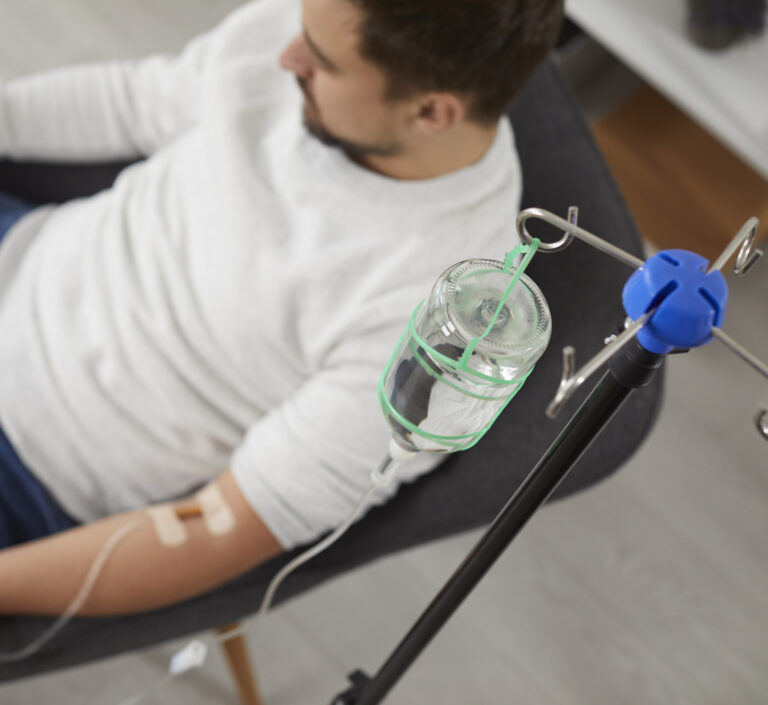
Hormonal imbalances do not always present as textbook menopause or low testosterone. Chronic fatigue, foggy thinking, memory lapses, and disrupted sleep may all trace back to suboptimal hormone levels, sometimes in combination with thyroid or adrenal dysfunction. Pairing hormone therapy with supportive options like IV infusion therapy, including NAD+ infusions, could address energy and cognitive concerns from multiple angles.
Types of Hormone Therapy We Offer
No two hormone profiles are alike, which is why a one-size-fits-all approach rarely delivers lasting results. At RMRM, our providers match the type of hormone therapy to your specific lab findings, symptoms, and long-term health goals.
Bioidentical Hormone Therapy
Bioidentical hormones are structurally identical to the hormones your body produces naturally. Because of that molecular match, many patients and practitioners tend to favor bioidentical options for their compatibility and tolerability. Our providers use your comprehensive lab panel to identify specific deficiencies and design a bioidentical protocol calibrated to your results. Bioidentical medications are available through both FDA-approved and compounded means, and our providers are associated with all available formulations. Our providers use your comprehensive lab panel to identify specific deficiencies and design a bioidentical protocol calibrated to your results.
Testosterone Therapy
For both men and women experiencing symptoms of low testosterone, carefully monitored testosterone therapy may help improve energy, lean muscle retention, libido, and mental clarity. While testosterone is often associated with male health, women also produce and rely on it for mood regulation, bone strength, and overall vitality. Dosing is individualized and tracked through ongoing lab work, ensuring levels stay within a range that supports your goals without unnecessary risk.
Estrogen & Progesterone Therapy
Declining estrogen and progesterone affect far more than reproductive health. Hormone replacement therapy for low estrogen may support bone strength, cardiovascular function, skin elasticity, and cognitive sharpness. When progesterone is part of the protocol, the combination could also promote more restful sleep and a calmer mood. Hormone therapy for women at RMRM focuses on restoring balance through precise, lab-guided dosing.
Health Optimization Without Hormone Therapy
Not everyone is a candidate for hormone replacement, and that does not mean your options are limited. RMRM offers a range of non-hormonal therapies designed to help you feel and perform at your best. Peptide therapy may support cellular repair, sleep quality, and metabolism, while IV infusion therapy can deliver targeted nutrients and NAD+ directly into the bloodstream for energy and cognitive support. Additional options like PRP therapy, stem cell therapy, and hyperbaric oxygen therapy may further complement your wellness plan. RMRM helps you determine the right combination based on your diagnostic results and personal goals.
Hormone Therapy Benefits


When hormones are optimized to your body’s individual needs, the benefits may extend across multiple areas of health and daily performance. Many patients report feeling more energized and mentally sharp, with improvements in sleep quality, focus, and memory that become noticeable within the first weeks of a well-calibrated protocol. Physical changes often follow as well, including increased muscle tone, reduced body fat, and stronger libido. Beyond day-to-day improvements, balanced hormone levels may also contribute to long-term bone density, cardiovascular health, and overall mood stability.
Hormone optimization is one piece of a larger wellness picture. Our annual memberships and programs are designed to evaluate and support all aspects of your health, so improvements are sustained over time rather than addressed in isolation.
Is Hormone Therapy Safe?
Safety is a common and valid concern. At RMRM, hormone therapy is carefully managed through a methodical, lab-driven process. Before any protocol begins, our team conducts thorough baseline testing to map your current hormone landscape. Ongoing monitoring allows us to adjust dosing as your body responds, minimizing potential side effects and keeping your levels within an appropriate range.
Our providers, including Dr. Khoshal Latifzai, MD, a graduate of Dartmouth Medical School with residency at Yale University, bring deep clinical training in regenerative and functional medicine. That expertise means every decision, from initial dosing to ongoing adjustments, is rooted in your data, your symptoms, and your goals.
Hormone therapy may not be appropriate for everyone. A candid consultation helps determine whether optimization is the right path for you, and what complementary approaches, such as peptide therapy or stem cell therapy, could further support your health.
Take the First Step Toward Hormonal Balance
Connect with us today to start your journey to living, looking, and performing better, longer.
Frequently Asked Questions
Q. How much does hormone therapy typically cost?
Q. Does hormone therapy reduce PSA?
Q. Does HRT help lower A1C?
Q. Why are doctors reluctant to give HRT?
Q. What exactly is hormone therapy?
Q. What is the downside to hormone therapy?
Q. What are the signs that you need hormone therapy?
Q. Why are doctors so against hormone replacement therapy?
Other Therapies


Take the First Step Towards a Better You
Connect with us today to start your journey to living, looking, and performing better, longer.