
Conditions Commonly
Treated with PRP
- Soft tissue injury
- Fine lines and wrinkles
- Plantar fasciitis
- Scar tissue
- Achilles tendinopathy
- Ligament injuries
- Hair regeneration
- Rotator cuff injuries
- Hip pain
- Shoulder pain
- Tennis elbow
- Golfer’s elbow
- Wrist pain
- Ankle pain
- Tendonitis
- Knee pain
- Hamstring strains
- Degenerative disk disease
- Cartilage injury
- Osteoarthritis
What Is Platelet-Rich Plasma Therapy?
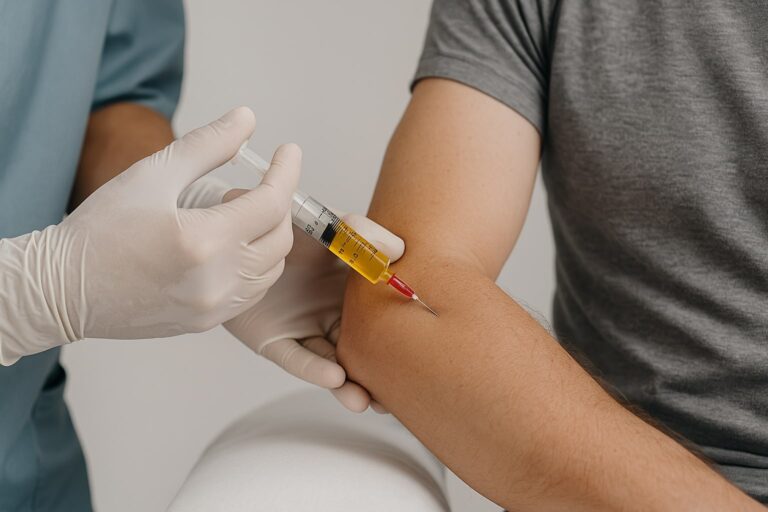
Platelet-rich plasma therapy is a regenerative approach that uses concentrated growth factors from your own blood to support healing and tissue repair. Your blood contains platelets, small cell fragments that play a central role in clotting and wound recovery. When platelets are concentrated and activated, they release growth factors, chemokines, and healing molecules into the surrounding plasma, the liquid portion of your blood. The enriched plasma is then reintroduced into the area that needs support, delivering a powerful concentration of your body’s own healing signals directly to the site of injury or concern.
What sets RMRM apart is how we prepare your PRP at our Boulder, CO clinic. Our proprietary lab techniques achieve significantly higher platelet yields compared to standard processing methods, which means more growth factors and healing signals delivered precisely where your body needs them. Every preparation is processed through a multi-step centrifugation protocol designed to maximize platelet concentration and viability, ensuring a high-quality biologic product tailored to your indication. Combined with comprehensive diagnostics, every PRP protocol is tailored to your specific condition and goals.
Conditions We Address with PRP
PRP has applications that span orthopedic recovery, hair restoration, and aesthetic rejuvenation. Because the therapy uses your own blood, compatibility concerns are minimal, making PRP a versatile option for a wide range of concerns.
Can PRP Help with Joint and Soft Tissue Injuries?
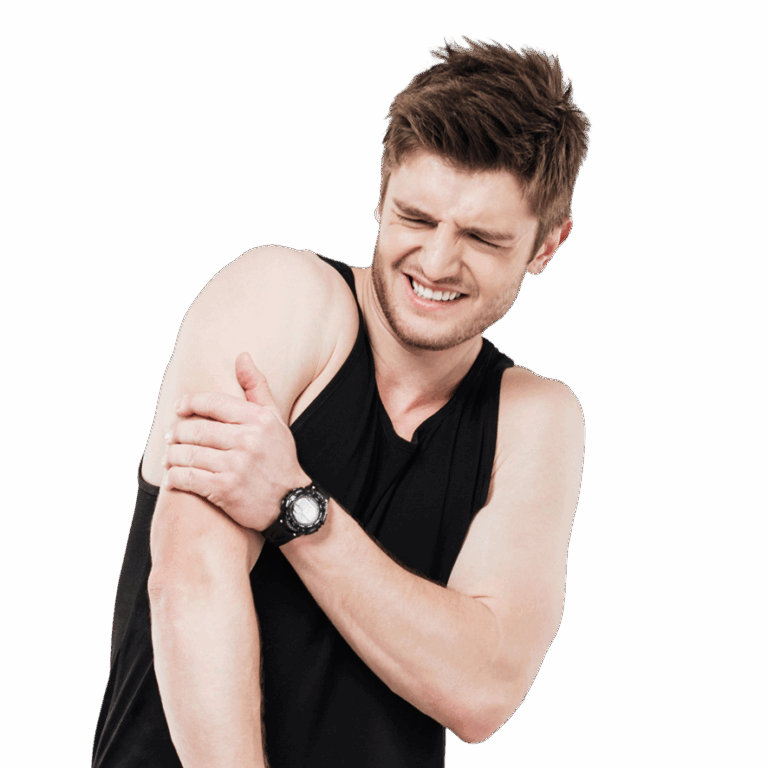
Chronic joint pain from osteoarthritis, cartilage wear, or ligament and tendon injuries may respond well to PRP. PRP is evidence-supported for mild-to-moderate joint conditions, tendinopathy, and ligament injuries where symptoms have persisted through physical therapy and conservative management. A plasma-rich platelet injection delivers concentrated growth factors directly to damaged tissue, where they could help promote the body’s natural repair processes. Our providers use ultrasound guidance for joint injections to ensure accuracy and maximize the therapeutic benefit.
For knee osteoarthritis specifically, published research including randomized controlled trials has shown that PRP may outperform standard treatments such as hyaluronic acid injections in reducing pain and improving function over 12 months. Patients in our Boulder clinic who present with mild-to-moderate knee OA, post-meniscectomy pain, or cartilage injuries are often strong candidates for PRP.
For patients exploring broader regenerative options, PRP pairs effectively with stem cell therapy or exosome therapy for a layered approach to healing.
PRP for Specific Orthopedic Conditions
Rotator Cuff Injuries: Partial-thickness rotator cuff tears and chronic tendinopathy in the shoulder may benefit from PRP injections. Growth factors delivered directly to the injured tissue can support the body’s repair process and may reduce pain over a series of sessions. Our Boulder providers use ultrasound guidance to place the injection with precision.
Tennis and Golfer’s Elbow: Lateral and medial epicondylitis that has not responded to rest, bracing, or physical therapy is one of the most well-studied indications for PRP. Clinical trials have demonstrated that PRP may provide sustained pain relief beyond what corticosteroid injections offer for these conditions.
Achilles Tendinopathy: Both insertional and midportion Achilles tendon issues with persistent symptoms may respond to PRP. This is particularly relevant for active patients in Boulder, CO who want to maintain their activity level without surgical intervention.
Plantar Fasciitis: Chronic heel and arch pain that has not resolved with physical therapy and night splinting may be a candidate for PRP treatment. Growth factors can target the inflamed plantar fascia to support tissue remodeling.
Hip and SI Joint: Hip osteoarthritis, gluteal tendinopathy, and sacroiliac joint dysfunction are conditions where targeted PRP injections under image guidance may provide relief and support tissue health.
Can PRP Help with Hair Loss and Thinning?
Platelet-rich plasma therapy for hair loss targets thinning areas of the scalp by introducing growth factors that may stimulate dormant hair follicles and encourage natural regrowth. Clinical research suggests PRP could improve hair density over a series of sessions, making it an appealing non-surgical option for both men and women experiencing age-related or pattern hair loss.
PRP for hair restoration works best when hair follicles are still present but have become dormant or weakened. Patients experiencing early thinning, increased shedding, or reduced hair density are typically the strongest candidates. A series of sessions spaced several weeks apart is generally recommended, with results developing gradually over 3 to 6 months.
Our hair restoration program provides more detail on how PRP fits into a comprehensive approach.
Can PRP Help with Skin Rejuvenation and Anti-Aging?
PRP is also used in facial rejuvenation, where concentrated growth factors may help improve skin texture, reduce fine lines and wrinkles, and promote collagen production. Because the plasma comes from your own body, the approach aligns naturally with your skin’s existing repair mechanisms.
PRP facial treatments in Boulder are commonly sought by patients looking for a natural alternative to synthetic fillers. The growth factors in PRP can support collagen and elastin production, addressing concerns such as uneven skin tone, acne scarring, and loss of volume. Results develop over several weeks as the skin responds to the biologic signals.
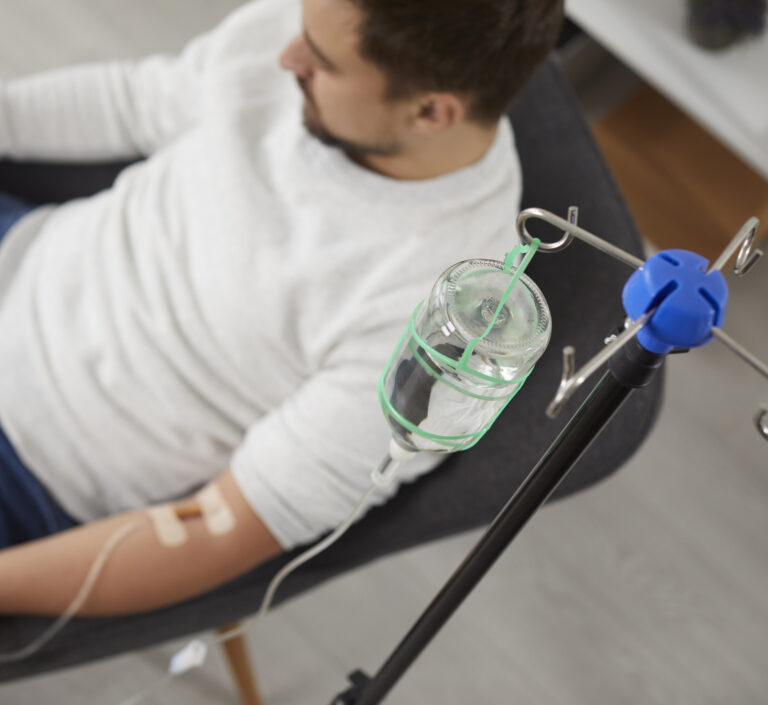
Pairing PRP with supportive therapies such as peptide therapy or IV infusion therapy could further support cellular health and recovery from the inside out.
Who Is a Good Candidate for PRP?
PRP is best understood as a supporting intervention that works alongside rehabilitation and activity modification; it is not a standalone cure. The following criteria help determine whether PRP may be appropriate for your situation:
You may be a good fit if you have: mild-to-moderate joint osteoarthritis, tendon, or ligament pathology; symptoms that have persisted through physical therapy, NSAIDs, and activity modification; imaging (MRI or ultrasound) that confirms the condition you have been managing; willingness to follow post-procedure activity guidance, including avoiding NSAIDs in the early recovery period; and realistic expectations that PRP supports gradual improvement over 4 to 12 weeks, not overnight results.

Your Healing Journey Today
Contact our team today to discuss your goals and explore your personalized options.
What to Expect During a PRP Session
A PRP session at RMRM in Boulder typically takes between one and two hours, though timing may vary depending on the area being addressed. The process follows a controlled, multi-step protocol designed to maximize platelet concentration and viability.
Step-by-Step PRP Process
- Step 1 Blood Collection (approximately 10 minutes):
A standard venous blood draw is performed, similar to routine lab work. The amount of blood drawn depends on the treatment area and number of sites being addressed. - Step 2 Plasma Separation (approximately 20–30 minutes):
Your blood is placed in a centrifuge for a controlled first spin that separates the plasma layer from red blood cells while preserving platelet integrity. - Step 3 Platelet Concentration (approximately 20–30 minutes):
A second centrifugation step concentrates the platelets into a smaller volume. The platelet-poor plasma is removed, and the concentrated platelets are resuspended to achieve the target concentration for your specific indication. - Step 4 Image-Guided Delivery (15–45 minutes):
A local anesthetic is applied to the target area for comfort. The concentrated PRP is then injected directly into the joint, tendon, scalp, or skin using ultrasound guidance for joint and tendon injections to ensure precise placement. - Step 5 Recovery and Response:
Most patients are able to return to light daily activities shortly afterward. The body’s biologic response unfolds over the following weeks, with initial improvement typically assessed at 4 to 12 weeks post-procedure.
Your provider will walk you through recovery expectations and any follow-up sessions that may be recommended based on your response.
Is PRP Therapy Safe?
Because PRP uses your own blood, the risk profile is favorable compared to approaches that introduce external substances. Side effects are generally limited to mild soreness or swelling at the injection site, which typically resolves within a few days. Serious complications are uncommon, and since the plasma is drawn from your own body, the likelihood of an allergic or immune reaction is minimal.
At RMRM, safety is built into every step of the process. Our providers conduct a thorough evaluation before recommending PRP to ensure the therapy aligns with your health profile and goals. Ultrasound guidance for joint injections adds an extra layer of precision, and ongoing follow-up allows your provider to monitor your response and adjust the plan as needed.
How Much Does PRP Therapy Cost in Boulder, CO?
Platelet-rich plasma therapy cost in Boulder varies depending on the area being addressed, the number of sessions recommended, the number of injection sites, and the complexity of your individual protocol. At RMRM, our providers design each plan around your diagnostic results and clinical goals, so pricing reflects a personalized approach rather than a one-size-fits-all package.
PRP pricing depends on several factors: the specific joint or area being treated, whether multiple sites are addressed in a single session, and whether PRP is combined with other therapies. We discuss the cost with you during your consultation and provide transparent pricing before any procedure is scheduled.
PRP is not typically covered by insurance, as most carriers classify regenerative therapies as elective. However, HSA and FSA funds can typically be applied to physician-delivered PRP procedures. Our team can provide documentation, including procedure codes, for HSA/FSA reimbursement submission.
Our annual memberships and programs may offer a cost-effective path for patients who plan to incorporate PRP alongside other regenerative and longevity-focused therapies over time. A consultation with our team is the best way to understand the investment specific to your needs.
Why Choose RMRM for PRP in Boulder?
Rocky Mountain Regenerative Medicine is a regenerative medicine practice located at 720 Pearl St, Suite 1B, in Boulder, Colorado. Our PRP program is distinguished by several factors:
- Advanced Preparation Protocol:
Our multi-step centrifugation process is designed to achieve high platelet concentration and viability. Each preparation is processed to target the specific concentration appropriate for your treatment area, joints, tendons, scalp, and skin each require different formulations. - Precision Delivery:
Joint and tendon injections are performed under ultrasound guidance to ensure accurate placement of the PRP at the intended site. - Comprehensive Diagnostics:
Every PRP protocol begins with a thorough diagnostic evaluation, including relevant imaging and lab work, to confirm that PRP is the right intervention for your condition. - Integrated Regenerative Care:
PRP can be combined with stem cell therapy, exosome therapy, peptide therapy, and IV infusion therapy as part of a layered treatment strategy. This integrated approach allows your provider to address both the local tissue concern and your broader health goals. - Personalized Protocols:
Rather than applying a standardized PRP template, our team tailors the preparation, concentration, and delivery method to your specific indication and clinical history.
Ready to Harness Your Body’s Healing Potential?
Connect with us today to start your journey to living, looking, and performing better, longer. Schedule a consultation at our Boulder, CO clinic to discuss whether PRP is the right next step for your condition. Our team reviews your imaging, history, and prior treatments to provide an honest recommendation on whether that is PRP, a different regenerative therapy, or another path entirely.
Frequently Asked Questions
Do platelet-rich plasma injections really work?
How much does PRP cost in the USA?
What is the downside of PRP?
Is PRP worth the money?
How long do PRP injections last?
Who is a good candidate for PRP?


Take the First Step Towards a Better You
Connect with us today to start your journey to living, looking, and performing better, longer.