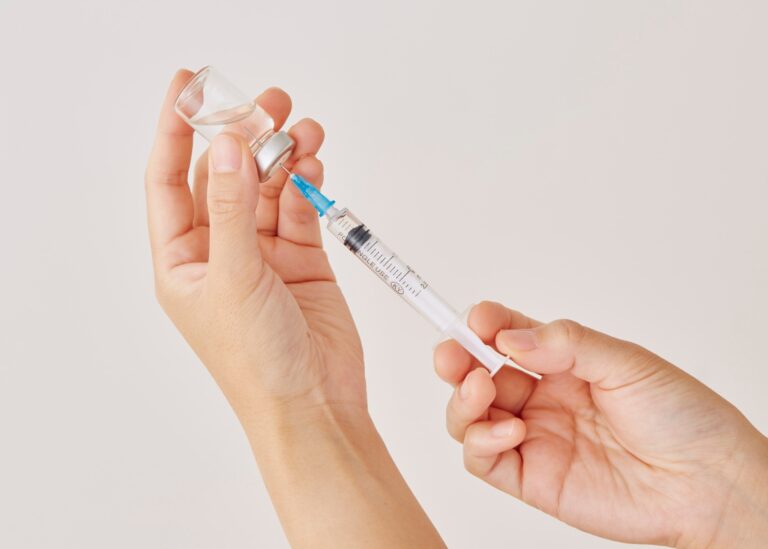

Peptides are trending in wellness conversations. You hear them mentioned alongside weight loss, recovery, and aging. But what exactly are they? More importantly, peptides represent a shift in how regenerative medicine approaches health. Rather than blocking signals (the traditional pharmaceutical approach), peptide therapy enhances and directs your body’s natural signaling to promote healing, optimize function, and restore balance.
For people exploring peptide therapy in Denver, understanding how these treatments work is an important first step.
What Are Peptides?
Peptides are short chains of amino acids. Your body naturally produces peptides that signal cells to produce hormones, repair tissue, boost immunity, and regulate metabolism. Peptide therapy introduces specific peptides to support functions your body might need help with.
How Peptide Therapy Works
Peptides act as messengers, telling your cells to build muscle, burn fat, heal tissue, or produce hormones. Your body recognizes these peptides because they mimic molecules your body already produces. Your provider matches the right peptide to your specific goals.

What Are The Common Types Of Peptide Therapy
Weight Management
GLP-1 Receptor Agonists (Semaglutide, Tirzepatide, Retatrutide)
GLP-1 agonists are synthetic peptides that mimic the body’s natural incretin hormones. They bind to GLP-1 receptors in the pancreas (stimulating glucose-dependent insulin secretion), hypothalamus (reducing appetite), and the gastrointestinal tract (slowing gastric emptying). Tirzepatide adds GIP receptor activation, while retatrutide adds glucagon receptor activation for enhanced metabolic effects. These peptides reduce appetite and food cravings, slow gastric emptying to promote satiety, stimulate insulin secretion only when blood glucose is elevated, and promote significant weight loss (15-24% of body weight). Excess fat creates chronic inflammation and insulin resistance that impair healing and tissue regeneration. GLP-1 agonists address these root causes by achieving substantial weight loss and metabolic improvement.
Recovery and Repair
BPC-157 (Body Protection Compound-157)
BPC-157 is a 15-amino acid peptide derived from human gastric juice with extraordinary healing properties. BPC-157 works by promoting angiogenesis (the formation of new blood vessels), upregulating growth factors such as VEGF and TGF-beta, modulating inflammation, protecting the gastrointestinal tract, enhancing tendon and ligament healing, and exerting neuroprotective effects. Research demonstrates that it accelerates the healing of tendons, ligaments, muscles, and bones faster than control treatments. At Rocky Mountain Regenerative Medicine, we use BPC-157 extensively for orthopedic injuries and to enhance stem cell therapy effectiveness.
TB-500 (Thymosin Beta-4)
TB-500 is a synthetic version of a naturally occurring peptide that promotes cell migration, enhances angiogenesis, reduces inflammation, supports stem cell mobilization, and protects cells from damage. We often use TB-500 in combination with BPC-157 for orthopedic conditions because the two peptides have complementary mechanisms and create synergistic effects. Both are typically administered via subcutaneous injection for 4-12 weeks.
Metabolic Optimization
MOTS-c
MOTS-c is a 16-amino-acid peptide encoded by mitochondrial DNA that functions as a metabolic regulator. MOTS-c activates cellular energy sensors to reprogram metabolism toward fat burning and stimulates mitochondrial biogenesis (creation of new mitochondria). Research shows MOTS-c improves insulin sensitivity and glucose uptake, enhances metabolic flexibility, stimulates mitochondrial function, improves exercise capacity, supports healthy body composition through fat oxidation, and may protect against age-related metabolic decline. MOTS-c is administered via subcutaneous injection for 4-12 week cycles.
Metabolic Performance
SLU-PP-332
SLU-PP-332 is a synthetic peptide functioning as an estrogen-related receptor agonist that enhances metabolic rate through mitochondrial biogenesis rather than sympathetic nervous system activation. Research shows it increases resting metabolic rate, promotes fat oxidation, preserves lean muscle mass during caloric restriction, improves exercise endurance, enhances insulin sensitivity, and provides metabolic benefits similar to exercise training. SLU-PP offers unique body composition improvement by increasing energy expenditure while preserving muscle. It’s administered orally for 8-12 week cycles, best coupled with actual exercise.
Anti-Aging and Longevity
Growth Hormone Secretagogues: Ipamorelin and CJC-1295
Growth hormone declines significantly with age, contributing to decreased muscle mass, increased body fat, reduced energy, and slower recovery. Rather than direct growth hormone injection, growth hormone secretagogues stimulate your pituitary gland to release more growth hormone naturally.
Ipamorelin is a selective growth hormone secretagogue that stimulates pituitary release in a pulsatile pattern mimicking the body’s natural rhythms, without significantly increasing cortisol or prolactin. CJC-1295 is a growth hormone-releasing hormone analog that increases both frequency and amplitude of growth hormone pulses with a longer half-life, allowing less frequent dosing.
When used together, they create synergistic effects that significantly increase growth hormone levels. Benefits include enhanced tissue repair, improved body composition, better sleep quality, increased energy and vitality, improved skin quality, enhanced immune function, better cognitive function, and mood. We use these peptides as part of longevity optimization protocols and for athletes seeking enhanced recovery. Because CJC-1295 and Ipamorelin side effects tend to be mild and predictable under medical supervision, the combination remains one of the most widely used secretagogue stacks in regenerative medicine.
How It’s Administered
Most peptide therapy uses small subcutaneous injections (under the skin) with thin needles and minimal discomfort. Some peptides come as nasal sprays, creams, or oral capsules, depending on their stability. A typical protocol lasts 4 to 12 weeks. Your provider adjusts the dosage based on your response.
What Are The Potential Benefits Of Peptide Therapy
Some potential benefits of peptide therapy include:
- Improved cardiovascular endurance
- Strengthening of the immune system
- Increased energy, strength, and stamina
- Accelerated healing from injuries or surgery
- Reduced body fat through lipolysis (fat breakdown)
- Better regulation of hormones
- Improvements in workout and recovery
- Improved libido
- Increased development of lean muscle
- Increased the ability to tan naturally
What Are The Potential Side Effects
When used under medical supervision, peptide therapy is generally well-tolerated. Common mild side effects include injection site redness, headaches, fatigue, and water retention, usually settling as your body adapts. Some peptides affect digestion, causing nausea, bloating, or appetite changes. Rarer side effects include allergic reactions, which require immediate attention. Specific peptide therapy side effects depend on which peptide you use and your individual response, which is why understanding what the side effects of peptide therapy are before starting a protocol matters.
Who Should Avoid It
Avoid peptide therapy if you have:
- Pregnancy or breastfeeding
- Severe allergies or history of anaphylaxis to peptides
- Compromised liver or kidney function
- Hormone-sensitive cancers
If you take multiple medications, discuss potential interactions with your provider.
What to Expect at a Consultation
A qualified provider should:
- Review your full medical history, medications, and allergies to assess suitability
- Discuss your specific goals and explain which peptides might help
- Explain how peptides work, potential side effects, and what to monitor
- Establish a monitoring plan with blood work or regular check-ins
- Answer your questions honestly about research limitations and evidence status
If your provider rushes you or skips these details, that’s a red flag.
Important Note: Many peptides discussed are not FDA-approved. Sermorelin, for example, was discontinued commercially in 2008 (for manufacturing reasons, not safety) and is now available only through compounding pharmacies.
How Long Until Results?
Results vary by peptide type, your health status, and individual response. Some notice changes within weeks. Others need 8 to 12 weeks. Your provider should retest relevant markers to confirm whether the therapy is actually working, not just assume it is.
Peptides vs. Other Options
Peptides are amino acid chains, while steroids are ring-shaped fatty molecules. These represent entirely different chemical classes with different mechanisms and side effect profiles. Steroids tend to carry more serious side effects than peptides. Peptides are also different from supplements like vitamins or collagen. Peptides are synthetic, precisely dosed compounds designed to signal specific cellular changes.
What Makes Regenerative Medicine Clinics Different
A regenerative medicine clinic takes a comprehensive approach. Instead of simply prescribing, they use advanced biomarker testing to understand what’s driving your symptoms, then select peptide therapy that addresses root issues.
They retest frequently to ensure effectiveness and adjust your protocol if needed. They also combine peptides with other regenerative tools like stem cell therapy or hyperbaric oxygen therapy when appropriate.
How RMRM Helps
At Rocky Mountain Regenerative Medicine, we use comprehensive biomarker testing to understand your biology, then select and monitor peptide therapy customized to your needs. We retest frequently to confirm effectiveness, adjust dosages based on response, and integrate peptides with other regenerative tools like stem cell therapy or hyperbaric oxygen when beneficial.
We source peptides from reputable compounding pharmacies following strict quality control standards and ensure precise dosing tailored to your individual response. You’ll know whether treatment is working instead of guessing. We stay at the forefront of peptide research and continuously refine our protocols based on emerging evidence.
Schedule a consultation or contact us to discuss if peptide therapy fits your goals.
Disclaimer: This content is educational and not a substitute for professional medical advice. Peptide therapy should only be pursued under the guidance of a qualified healthcare provider. Results vary widely between individuals. Many peptides discussed are not FDA-approved. Always discuss your medical history, medications, and health conditions with your provider before starting any new therapy.