By Khoshal Latifzai • December 11, 2025

Foundations of Fulfillment: The Science of Becoming Who You Want to Be

BOOK AN APPOINTMENT

Becoming Who You Want to Be

Most people think their life is shaped by information — the diets they follow, the books they read, the goals they chase. But very few realize the real architecture of their life is built by something deeper: their mindset, narratives, energy systems, sleep biology, and emotional habits.

These aren’t motivational ideas. They’re neurological and metabolic realities.

Understanding them creates a powerful shift, because it changes how you approach nutrition, fasting, exercise, discipline, fulfillment, and the story you tell yourself about who you are.


1. Your Mind Has Two Operating Systems

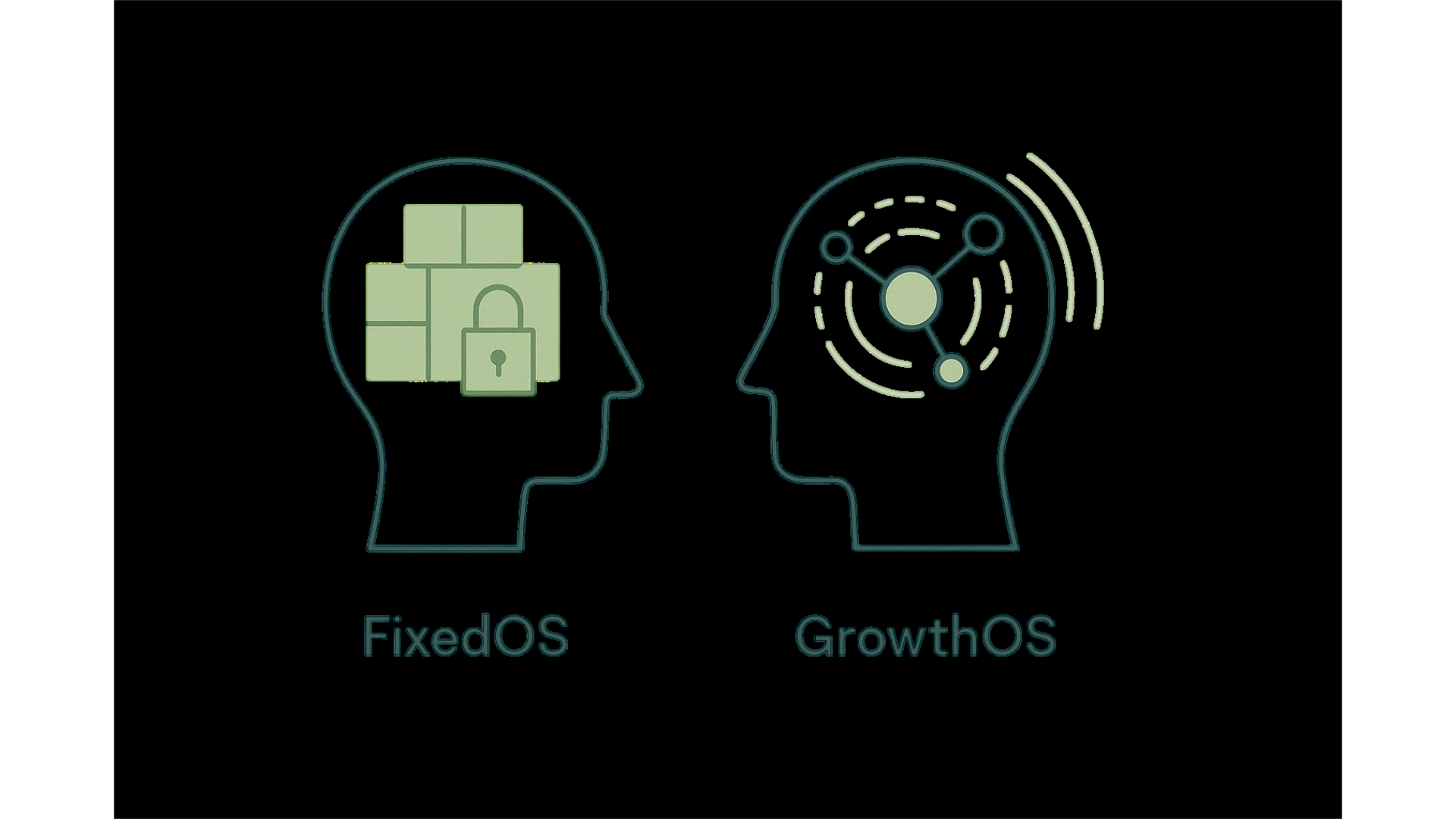
Imagine your brain came with two operating systems.

One is the default — wired for safety, certainty, and avoidance of embarrassment. This is the “fixed mindset” operating system. It interprets struggle as a threat and failure as identity.

The other is upgradeable — wired for learning, adaptation, and skill-building. This is the “growth mindset,” rooted in neuroplasticity rather than personality.

The key insight is that people don’t “have” one or the other. They shift between them, depending on the environment, belief, and the narratives they absorb. Every time someone does something difficult, they install more of the upgraded system.

Mindset isn’t a trait. It’s a training response.
1
2. Why Identity Drives Behavior

Identity is the internal blueprint your brain uses to decide what is “normal” for you. And identity is built through repeated evidence, not wishful thinking.

If you consistently do hard things, your brain updates the blueprint: “I am someone who can do difficult things.”

If you avoid challenge, your brain updates the opposite: “I am someone who backs down.”

All meaningful behavior change — nutrition, exercise, sleep, stress reduction — begins with an identity shift.

This is why achievement alone doesn’t create fulfillment. Without identity expansion, wins feel hollow.


3. Nutrition and Fasting: Fuel for a High-Functioning Mind

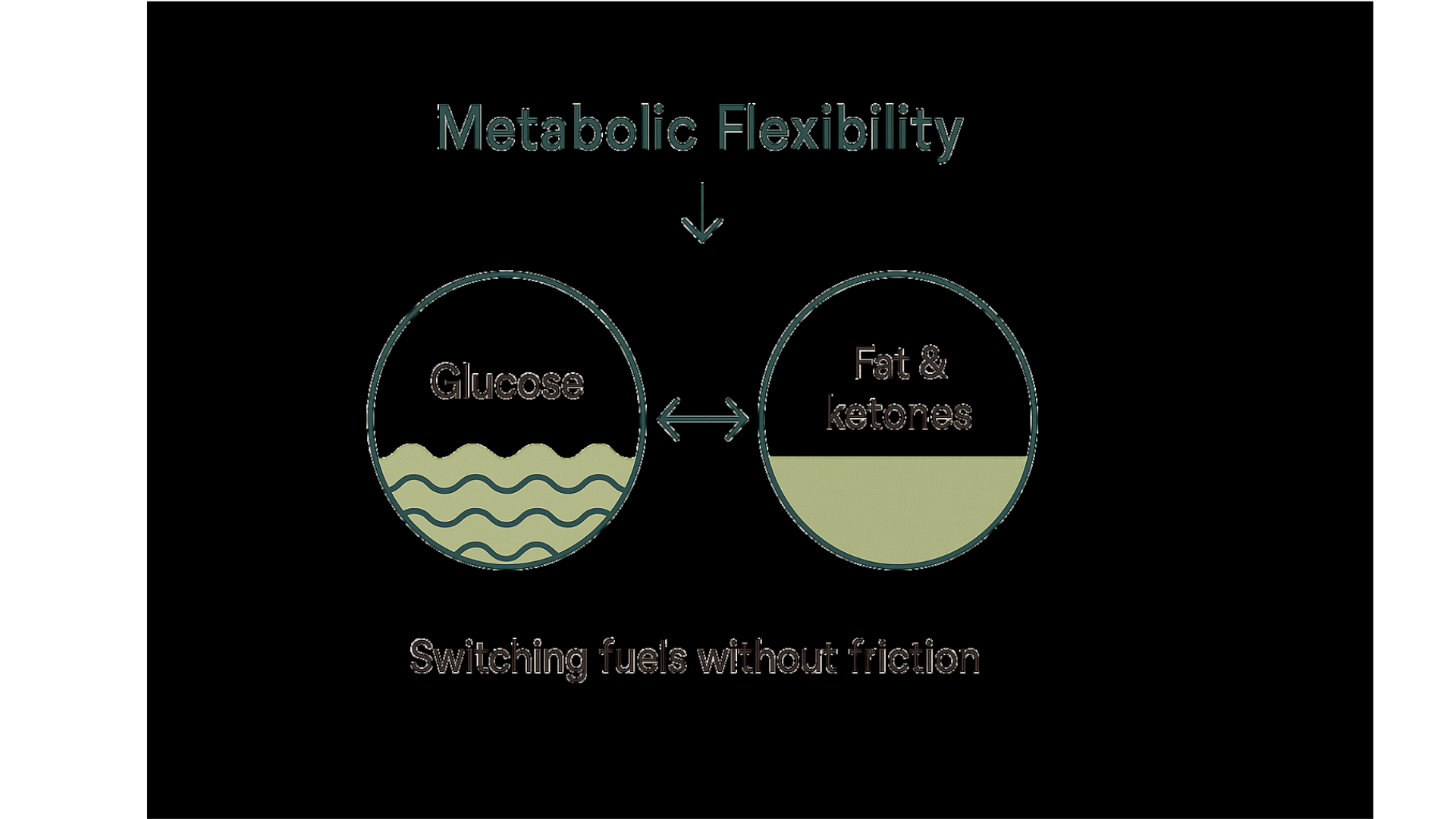
Your metabolism has two major fuel systems.

  1. One burns hot and fast (glucose).
  2. The other burns steady and clean (fat and ketones).

Modern life forces people to run only on the “fast fuel,” leading to crashes, irritability, sugar cravings, and inflammation. This is why people feel mentally foggy even when they eat “healthy.”

When you stabilize nutrition — more whole foods, more healthy fats, fewer glycemic swings — or you incorporate fasting, the brain suddenly feels quieter.

Fasting isn’t about deprivation. It’s an intentional metabolic reset that reduces noise in the system.

Many people experience surprising benefits — mental clarity, emotional steadiness, improved pain levels — not because fasting adds something, but because it temporarily removes interference.

Metabolic flexibility is a mindset amplifier. Stable fuel → stable mood → stable decision-making.

2

4. Sleep: The Nightly Reset Button

Sleep is the most powerful — and most ignored — biological upgrade. It is emotional housekeeping, metabolic recalibration, and cognitive maintenance.

One week of poor sleep is enough to reduce insulin sensitivity, impair memory, and elevate inflammatory markers. Sleep is not optional recovery. It is required restoration.

When sleep is optimized, everything else becomes easier. When sleep is neglected, nothing feels easy.


5. Meditation: The Emotional Braking System

Meditation trains the mind the way strength training trains muscle. It increases the nervous system’s ability to stay present instead of being yanked into anxiety (future) or rumination (past).

Meditation isn’t about relaxation. It’s about control — control over attention, impulses, emotional responses, and stress physiology.

This skill amplifies mindset, discipline, nutrition, and resilience.


6. Fulfillment: A Neurobiological Experience

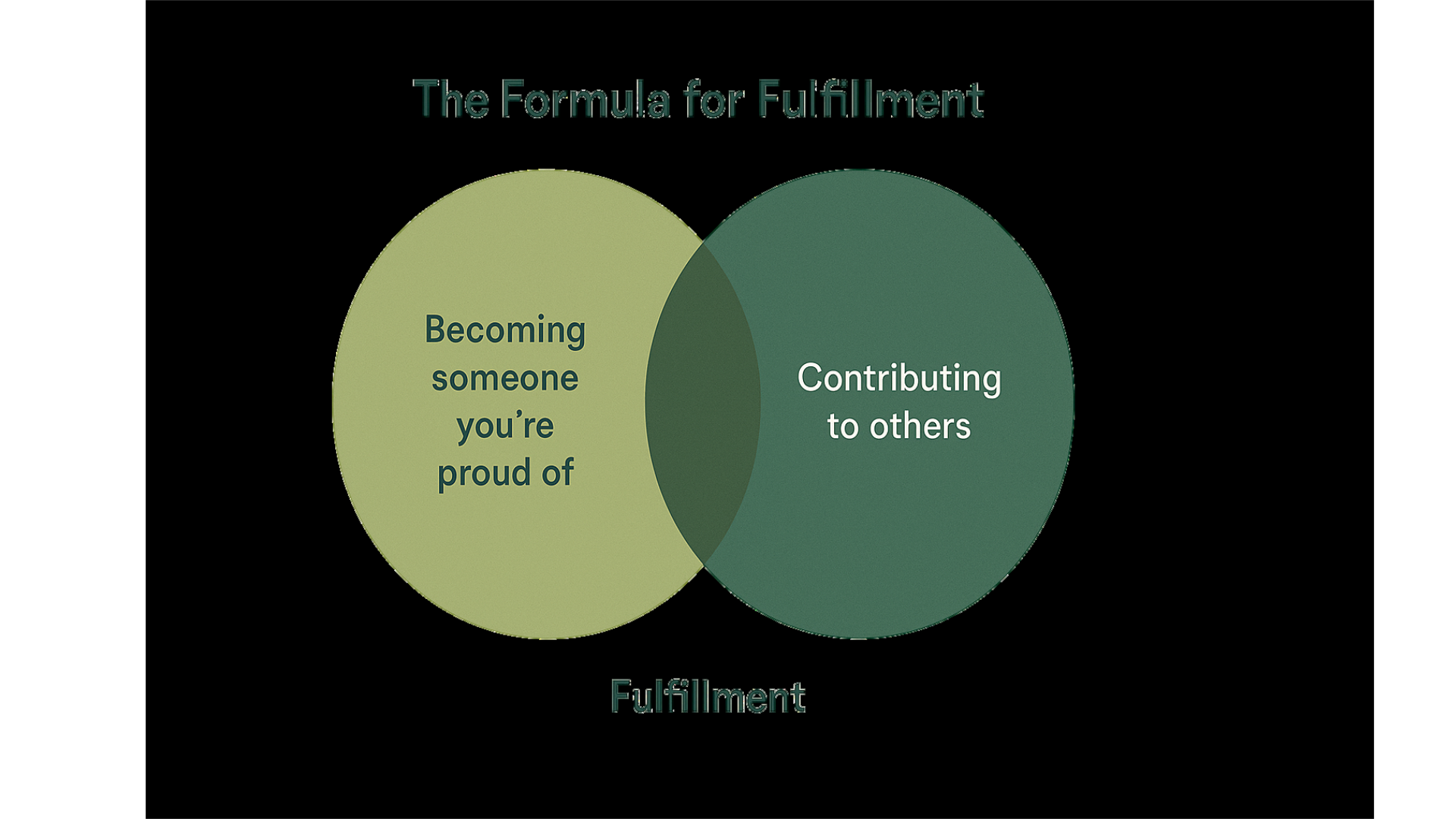
Fulfillment isn’t a feeling. It’s a neurochemical response to effort, skill-building, contribution, and alignment with purpose.

The brain rewards you when you:

  • Work toward something difficult
  • Push past comfort
  • Develop meaningful skills
  • Help other people
  • Grow your identity

Pleasure is cheap. Fulfillment is earned.

The science of fulfillment is the science of becoming someone you’re proud of — someone capable, disciplined, resilient, and aligned with values rather than impulses.

4
7. Bringing It All Together

To build a meaningful, high-functioning life, you need a blueprint with five pillars:

  • A mindset open to growth
  • Identity aligned with effort
  • Nutrition that stabilizes the brain
  • Sleep that restores physiological balance
  • Practices (like meditation) that create emotional resilience

This combination changes everything — not theoretically, but biologically.

Senior man running for good health

Frequently Asked Questions


Patient Outcomes:

Renewed Mobility, Vitality, and Longevity


These patient success stories reflect our commitment to treating the root biological causes of knee pain, rather than just masking symptoms. Our mission is to help you restore function, stay active, and age stronger — so you can move better and live better every day.

Book a consultation to explore your personalized path to living, moving, and performing better, longer.

Take the First Step Towards a Better You

Connect with us today to start your journey to living, looking, and performing better, longer.