
A Complete Guide To Regenerative Aesthetics
If you want to look younger without chasing trends or procedures, the first step is understanding how the face actually ages. Most people assume wrinkles are the main problem, but wrinkles are only one part of a much larger picture. Real aging begins deeper, in the structure that supports the skin.
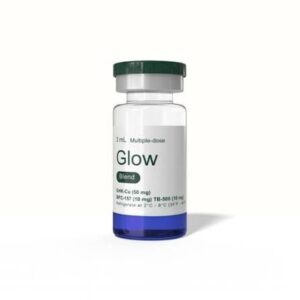
This guide explains how aging works, what you can do at home to slow it down, and how regenerative therapies such as PRP, peptides, GHK Cu, and stem cell based treatments can support natural, long term rejuvenation. These approaches match your biology rather than overriding it, which creates results that look real, subtle, and healthy.
1. What Causes the Face To Look Older?
The face changes with age because of predictable biological shifts.
These include:
- Loss of bone support
- Changes in deep and superficial fat compartments
- Relaxation of facial ligaments
- Collagen decline
- Slower skin cell turnover
- Accumulated sun damage
- Microvascular changes
- Chronic inflammation
You can think of facial aging like a tent whose poles are slowly shifting. The fabric has not failed. The support underneath has changed. When you understand the structure, you can begin to support it in ways that preserve your natural appearance.