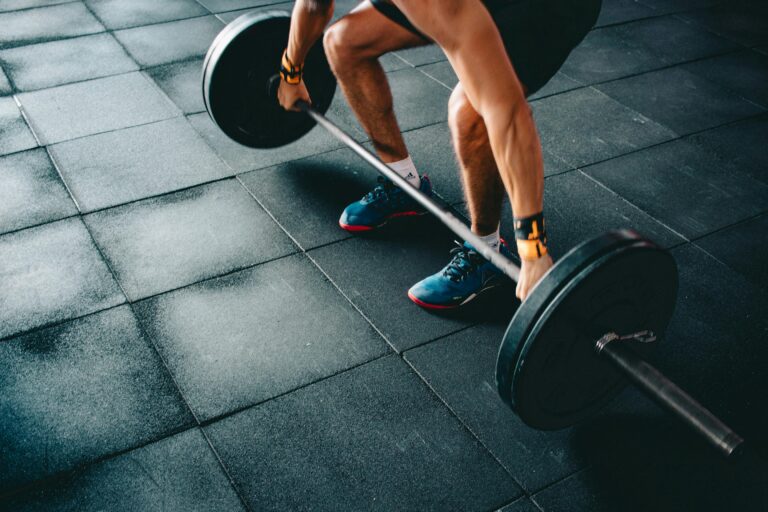

There is a version of fitness that most people settle for: showing up, going through the motions, doing enough to feel like they did something. And then there is the version that actually changes your body, your hormones, your metabolism, and your trajectory as you age.
The difference between those two versions is not talent or genetics. It is understanding the biology behind what you are doing, and being willing to challenge yourself in a way that produces a real physiological response.
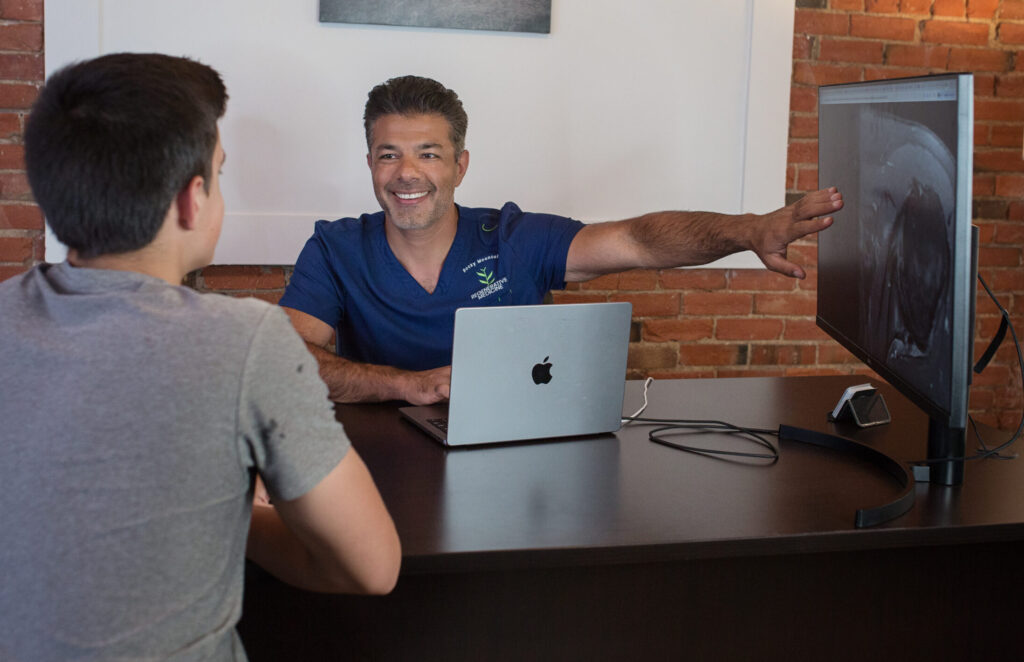
In my work as a performance and optimization specialist, I spend a significant amount of time helping patients understand the relationship between strength training, hormone health, nutrition, and long-term performance. These systems are deeply interconnected. What you do in the gym affects your testosterone. Your testosterone affects your muscle mass and insulin sensitivity. Your insulin sensitivity affects your metabolic health and your longevity. And all of it is influenced by how well you sleep, how you manage stress, and what you put in your body.
Let me walk you through the key principles I think every patient should understand.
1. Why Strength Training Is Non-Negotiable
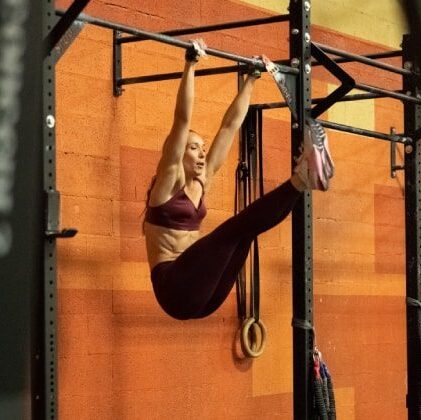
Resistance training is not just for athletes or bodybuilders. It is one of the most powerful longevity interventions available to any human being, regardless of age or starting point.
The benefits go well beyond aesthetics. Building and preserving muscle mass is directly associated with better insulin sensitivity, lower risk of metabolic disease, improved bone density, reduced risk of injury, and better cognitive function as you age. Muscle is metabolically active tissue. The more of it you carry, the more efficiently your body handles glucose, the more resilient your metabolism becomes, and the more physical capability you maintain as the decades pass.
One of the principles I emphasize most in my practice is this: the goal of strength training is not just to be strong now. It is to be strong enough, mobile enough, and capable enough decades from now. The muscle you build and the movement patterns you develop today are investments in the person you will be at 60, 70, and beyond.
The most important rule, especially as you age: don’t get hurt. Injury is the enemy of consistency, and consistency is the variable that determines long-term outcomes. Proper warm-up, progressive overload, attention to form, and respect for recovery are not optional extras. They are the foundation.
That said, the equally important counterpart to avoiding injury is challenging yourself. Progress requires stress. The body adapts to demands placed on it. If you are not pushing your limits, in a controlled and intelligent way, you are not getting the full return on your investment of time and effort. Both principles matter, and the balance between them is where good coaching and good clinical guidance become invaluable.
2. The Mechanics of an Effective Warm-Up
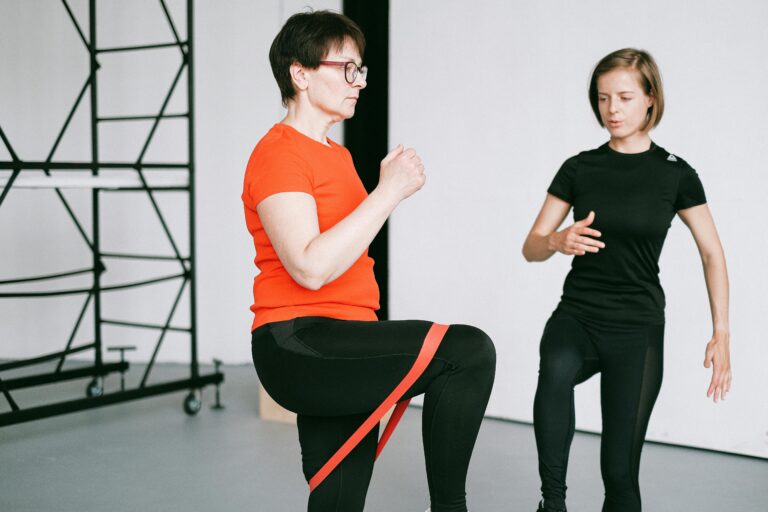
One of the most underappreciated aspects of training is what happens before the first working set. A proper warm-up is not five minutes on a treadmill. It is the process of activating the specific muscles and movement patterns you are about to load.
- For lower body training, this means getting the glutes and hip stabilizers firing before you squat or deadlift. Walking forward and backward, lateral movement, hip hinging, and targeted glute activation work are all part of preparing the body to move safely under load. The glute medius and TFL in particular are muscles that disengage quickly from sedentary modern lifestyles and need to be deliberately activated before heavy lower-body work.
- For upper body training, the shoulder and elbow joints need to be warmed through their full range of motion before loading. Mobility work, band exercises, and progressive loading with lighter weights before working sets all contribute to joint preparation and injury prevention.
This is especially important for people who spend most of their day sitting. Sitting shortens hip flexors, inhibits glutes, and creates the postural imbalances that lead to injury when untrained people load a squat pattern. Getting these muscles awake before training is not optional. It is the difference between productive training and a path to injury.