By Khoshal Latifzai • March 19, 2026

Why We Age and What We Can Do About It: Sirtuins, NAD, and the Epigenetics of Longevity

BOOK AN APPOINTMENT

Most people accept aging as something that simply happens to them. A gradual, inevitable decline written into their biology from birth. I want to offer a different perspective, one that is increasingly supported by some of the most exciting science being done today.

Aging is not simply the body wearing out. It is, at least in part, a loss of information. And if that framing is correct, it opens the door to something remarkable: the possibility that aging can be slowed, and perhaps partially reversed, by restoring the biological systems that read and regulate that information.

Let me walk you through the science behind this idea, and what it means for how we think about longevity at RMRM.


1. The Biological Machinery of Aging: Sirtuins

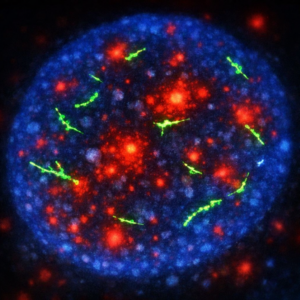
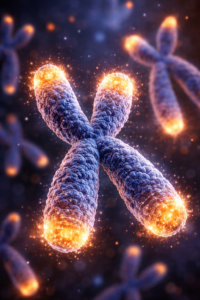
At the center of the modern science of aging is a family of proteins called sirtuins. There are seven of them in mammals, and they play a remarkably broad role in cellular health. They regulate gene expression, support DNA repair, control inflammation, influence metabolism, and help maintain the integrity of our chromosomes.

Think of sirtuins as the body’s emergency response system. When a cell encounters stress, whether that’s a DNA break, nutrient deprivation, heat, or other environmental challenges, sirtuins mobilize. They silence genes that shouldn’t be active, repair damaged DNA, and help the cell hunker down and survive adversity.

This dual role, gene silencing and DNA repair, is also where one of the key theories of aging originates. Sirtuins cannot fully perform both functions simultaneously. When they are called away from their gene-silencing duties to repair a DNA break, the genes they were regulating can become dysregulated. Do that repeatedly over decades, and the pattern of gene expression that keeps cells functioning properly begins to erode.


2. The Role of NAD: The Fuel Sirtuins Need

Sirtuins don’t work in isolation. They require a molecule called NAD+, nicotinamide adenine dinucleotide, to function. NAD+ is one of the most fundamental molecules in human biology, present in every cell, essential for energy metabolism, and a critical cofactor for sirtuin activity.

Here is the problem: NAD+ levels decline with age. The sirtuins that depend on it become less active. The protective functions they perform, gene regulation, DNA repair, metabolic control, become less effective. This decline in NAD+ is now recognized as one of the central drivers of the aging process.

The good news is that NAD+ levels can be influenced. Certain precursor molecules, most notably nicotinamide mononucleotide (NMN) and nicotinamide riboside (NR), can be converted by the body into NAD+, potentially restoring levels that have declined with age. This is one of the most active areas of longevity research today, and it is one of the reasons NAD+ support has become a significant component of advanced longevity protocols.

At RMRM, we incorporate NAD+ optimization into our broader approach to performance and longevity. Our IV infusion therapy and peptide therapy offerings are part of a comprehensive toolkit designed to support the biological systems that keep you functioning at your best. Learn more about our full range of therapies and diagnostics.


pexels-pavel-danilyuk-8442278

3. Stress as a Signal: How Sirtuins Are Activated

One of the most important insights from sirtuin research is that these proteins are activated by biological stress. Caloric restriction, exercise, heat exposure, and other forms of hormetic stress all signal the sirtuin system to become more active. This is part of why practices like intermittent fasting and vigorous exercise have such broad benefits for longevity. They are not just burning calories or building muscle. They are activating ancient survival pathways that evolved to keep organisms alive during times of adversity.

This is also why I am so attentive to lifestyle as a primary lever in longevity medicine. Exercise, nutrition, fasting protocols, sleep, and stress management are not just wellness habits. They are direct interventions in the biological pathways that govern how quickly you age.


4. The Low-Carb Cholesterol Puzzle: Hyper-Responders

Here is a concept that I find to be one of the most compelling frameworks in all of aging science.

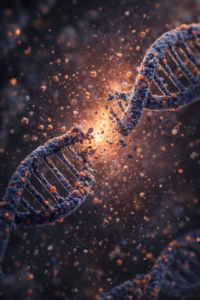
Your genome, the DNA sequence in every cell of your body, remains remarkably intact as you age. The mutations that accumulate over a lifetime are real but relatively modest. So if your DNA is largely unchanged, why do your cells function so differently at 70 than they did at 30?

The answer appears to lie in the epigenome, the system of chemical marks and structural configurations that determine which genes get expressed and when. Think of your genome as the data on a compact disc. The information is all still there in an older person. But the epigenome is the reader, and over time, the reader gets scratched. It starts misreading the disc. Genes that should be active get silenced; genes that should be silent become active. Cells begin to lose their identity and their function.

This is Waddington’s epigenetic landscape, a foundational concept in developmental biology. Early in life, cells are like marbles at the top of a mountain, capable of rolling into any valley and becoming any cell type. As they differentiate, they settle into specific valleys: liver cells, neurons, muscle cells. With aging, those marbles begin to drift. Cells lose the precise patterns of gene expression that define them, and they start behaving in ways they shouldn’t.

What makes this framework exciting is the implication it carries. If aging is primarily a loss of epigenetic information rather than a loss of genetic information, then aging may be partially reversible. Mutations are hard to fix. But turning genes on and off is something biology already knows how to do. The question is whether we can instruct cells to remember how to read themselves correctly.

Emerging research is beginning to suggest that this is possible. Manipulating the epigenome in animal models has shown the ability to restore more youthful patterns of gene expression. This is one of the most exciting frontiers in longevity science.

pexels-freestockpro-12932684

5. The Nine Hallmarks of Aging

The scientific community has identified nine core biological processes that drive aging, collectively called the hallmarks of aging. They are:

What is striking about the sirtuin and NAD+ story is how many of these hallmarks it touches. Sirtuins are involved in genomic stability, epigenetic regulation, mitochondrial function, nutrient sensing, and cellular senescence. NAD+ decline underlies several of them simultaneously. This is why researchers are increasingly excited about interventions that target these pathways: the leverage is broad.


6. Lifestyle as Longevity Medicine

The science of sirtuins and NAD gives us a more precise language for something that clinical medicine has long observed: the lifestyle choices we make have profound effects on how we age.

Caloric restriction and intermittent fasting activate sirtuins and support NAD+ metabolism. Exercise upregulates these same pathways. Sleep is essential for cellular repair and epigenetic maintenance. Managing chronic stress reduces the cumulative burden of DNA damage that distracts sirtuin activity away from gene regulation.

These are not separate interventions. They are interconnected inputs into the same biological system. At RMRM, our approach to longevity integrates all of them into a coherent, personalized strategy. Through our annual membership, we work with patients over time to monitor the biomarkers of aging and optimize the inputs that keep those pathways active and healthy.

7. Looking Forward

We are in an extraordinary moment in aging research. The tools to measure the pace of biological aging, to assess NAD+ status, to evaluate epigenetic markers are becoming increasingly accessible. The interventions to influence these processes, from lifestyle and nutrition to targeted supplementation and advanced therapies, are growing in precision and sophistication.

I am not suggesting that aging will be eliminated in our lifetimes. But I do believe that the gap between how most people age and how they could age, with the right knowledge, the right protocols, and the right medical partnership, is enormous.

That gap is exactly what we work to close at RMRM.

Book an appointment with our team in Boulder to begin building your personalized longevity strategy. Learn about our annual membership for comprehensive, ongoing optimization. And explore our approach to see how we integrate the science of longevity into everything we do.


BOOK CONSULTATION


Frequently Asked Questions By Patients


Patient Success Stories

These patient success stories reflect our commitment to treating the root biological causes of knee pain, rather than just masking symptoms. Our mission is to help you restore function, stay active, and age stronger, so you can move better and live better every day.

Book a consultation to explore your personalized path to living, moving, and performing better, longer.

Take the First Step Towards a Better You

Connect with us today to start your journey to living, looking, and performing better, longer.