
Back pain is one of the most common health problems in the United States. According to data from the CDC, about 39% of U.S. adults reported experiencing back pain in the past three months. For many people, the pain goes away with basic care. But for others, back injuries lead to ongoing discomfort that limits daily life and activity.
Standard treatments like physical therapy, medication, and surgery can help, but not everyone responds well. Stem cell therapy is generating interest as a potential way to address back injuries without surgery. Here is a closer look at what the procedure involves and what the current evidence says.
What Are Stem Cells?
The Basics
Stem cells are cells that have not yet turned into a specific cell type. Two features make them useful in medicine:
- Self-renewal: Stem cells can divide and make copies of themselves.
- Differentiation: Stem cells can develop into specialized cells like cartilage, bone, or muscle tissue.
Why Back Pain Is So Hard to Treat
The difficulty of managing back injuries helps explain the growing interest in newer options.
Common Causes of Back Injuries
Back pain rarely comes from a single source. Multiple structures can contribute to pain at the same time, which is part of what makes treatment so challenging. Common causes include degenerative disc disease (where the disc’s inner core loses water content and the outer ring develops tears), herniated discs (inner core pushes through a tear and presses on nerves), facet joint arthritis, sacroiliac joint dysfunction, and muscle or ligament strains from overuse or injury.
Limitations of Conventional Approaches
Physical therapy, medications, and steroid injections can manage symptoms. However, a review in the International Journal of Spine Surgery noted that many conventional treatments offer limited long-term healing of underlying tissue damage. Repeated steroid injections often have diminishing returns. Spinal surgery comes with risks, including infection, reduced mobility, and adjacent segment degeneration. Some patients who undergo surgery continue to experience pain, a situation sometimes called failed back surgery syndrome.
One reason back injuries are so difficult to resolve is that the intervertebral discs, which are the largest avascular structures in the human body, have virtually no direct blood supply. The inner portions of each disc rely entirely on diffusion for nutrients and oxygen. Without adequate circulation, the body’s own repair cells struggle to reach damaged disc tissue in sufficient numbers to drive meaningful healing. This is a key factor behind the chronic, recurring nature of many disc-related spinal conditions.
For people who have tried multiple options without lasting relief, a stem cell procedure for back pain may be worth exploring as part of a broader care plan.
A broader look at regenerative back pain therapy can help patients compare stem cell procedures with other available options and understand how different therapies may work together within a personalized treatment plan.
How the Procedure Works
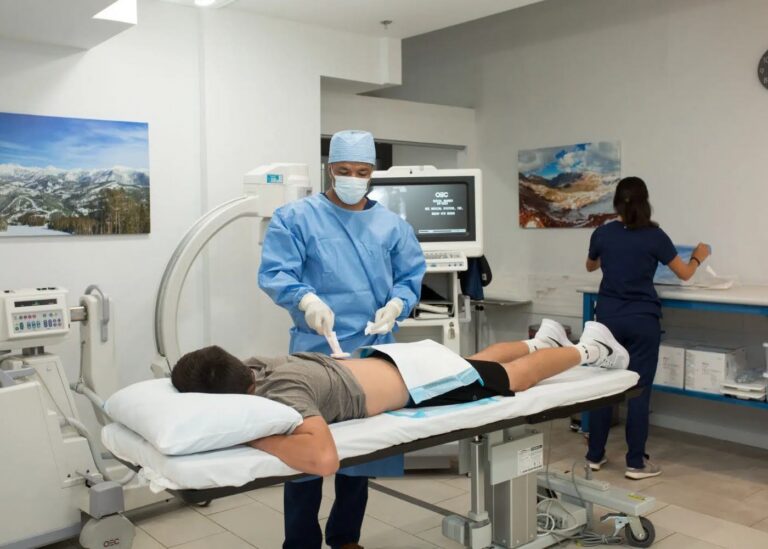
The overall concept is straightforward. In autologous stem cell therapy, cells are harvested from the patient’s own body, most commonly from adipose (fat) tissue. Because these cells come from you, your immune system recognizes them as “self,” which eliminates the risk of rejection. The harvested tissue is concentrated using minimally manipulated processing and then injected into the injured area of the spine under image guidance.
By delivering stem cells directly into the damaged area, the procedure bypasses the limited blood supply that normally prevents enough repair cells from reaching spinal structures. Rather than relying on the body’s compromised circulation to deliver healing factors over time, the injection places regenerative cells exactly where they are needed to help initiate a healing cascade.
Step-by-Step Overview
A typical stem cell procedure for back pain follows these steps:
- Consultation and imaging: A doctor reviews medical history and imaging to determine candidacy.
- Cell harvesting: Stem cells are collected from bone marrow or adipose tissue under local anesthesia.
- Processing: The sample is concentrated, and MSCs are isolated using an enzymatic reaction, centrifuge, and a thorough washing process.
- Bank Cells: If you choose to bank your stem cells, a tissue sample from the adipose harvest will be sent to an FDA-approved lab that will process, grow, and freeze cells
- Injection: Using image guidance, the doctor injects cells directly into the damaged area.
- Recovery: The procedure is outpatient. Mild soreness at the injection site is normal for a few days.
The process is typically completed in a single outpatient visit under local anesthesia.
What Happens After Injection
Once stem cells are introduced, they may support healing in several ways. MSCs may release anti-inflammatory signals that could help calm irritated tissues. In many back injuries, chronic inflammation around compressed nerves, degenerated discs, and arthritic joints is a primary driver of ongoing pain. By concentrating anti-inflammatory and regenerative cells at the source, the therapy aims to interrupt this cycle of inflammation, reduce pain signaling, and create conditions that support tissue repair. The overall goal is reduced pain and improved function over time. When injected into a degenerated disc, stem cells may stimulate the production of proteoglycans, the molecules that help discs retain water and maintain height. A 2015 pilot study by Pettine et al. found that patients who received bone marrow concentrate injections into degenerated discs reported significant reductions in pain for 12 months, with only 2 out of 26 patients proceeding to surgery.
Results are not immediate. Most patients go through 4 to 6 weeks of modified activity after stem cell injections, with a gradual return to normal over 6 to 12 weeks. Physical therapy during recovery may help optimize outcomes.
It is also worth noting that some patients may need more than one round of treatment to reach their desired level of improvement. The number of sessions can depend on the severity of the condition, the body’s individual healing response, and the specific structures being treated. For some people, a single treatment may provide meaningful relief, while others may benefit from a follow-up injection to build on the initial results. Your provider can help set expectations based on your specific situation.
What Conditions May Benefit
The conditions most studied include degenerative disc disease, herniated discs, facet joint arthritis, and sacroiliac joint dysfunction.
A systematic review on PubMed Central reported that some patients treated with stem cell therapy for disc-related lower back pain experienced improvements in pain scores and daily functioning. Patients with mild to moderate degeneration who still have viable disc tissue tend to respond best. Factors that may influence outcomes include condition severity, overall health, and commitment to post-treatment rehabilitation.
People with severe spinal instability, advanced bone loss, active infections, or certain blood disorders may need to consider other options. A thorough evaluation, including a review of imaging and medical history, is essential. Anyone looking into a stem cell clinic for lower back pain should start with a comprehensive consultation.
What Does the Research Say?
One of the most common questions people ask is, ” Does stem cell therapy work for back pain? Early results look encouraging, and the field is growing steadily.
Encouraging Early Findings
A 2025 systematic review analyzing 283 cases reported improvements in pain and disability scores among patients who received stem cell therapy for disc-related back pain (IJSS, 2025). The NIH’s HEAL Initiative has funded research into stem cell injections for disc repair (NIH HEAL Initiative).
In 2024, the FDA approved a Phase III trial for DiscGenics’ injectable disc cell therapy after a small trial of 60 patients showed an average pain reduction of nearly 63% at one year (DiscGenics, July 2024). In February 2025, the FDA granted Fast Track designation to BRTX-100, another stem cell therapy for chronic lumbar disc disease (Rheumatology Advisor, 2025).
Potential Benefits and Risks
Possible Benefits
- Minimally invasive: Typically, no surgical incisions or hospital stay. Local anesthesia or light sedation is used.
- Short recovery: Many patients may return to normal activities within days, compared to weeks after surgery.
- Targets the source: Aims to support tissue repair rather than only masking symptoms.
- May reduce or eliminate the need for surgery: For some patients, stem cell therapy could potentially serve as an alternative to spinal surgery, helping to avoid the risks, extended recovery periods, and downtime that come with surgical procedures.
Possible Risks
- Mild side effects: Soreness or bruising at injection sites typically resolves within days.
- Individual variation: Outcomes depend on each person’s condition and overall health.
- Cost: Most insurance plans do not cover it yet.
Multiple sessions may be needed. Some patients require more than one treatment to achieve the desired level of relief, depending on the severity of the condition and individual healing response.
Conclusion
Stem cell therapy for back injuries is an evolving area in regenerative medicine that may offer a promising path for people dealing with chronic back pain, especially when conventional treatments have not provided the relief they need. Because the intervertebral discs have virtually no direct blood supply, the body often struggles to repair these structures on its own. Stem cell therapy aims to change that equation by delivering regenerative cells directly to the site of injury, potentially reducing inflammation, supporting tissue repair, and helping patients avoid or delay surgical intervention.
Rocky Mountain Regenerative Medicine in Boulder, Colorado, takes a systems approach to stem cell therapy for back pain. Rather than treating the injection as a standalone procedure, RMRM focuses on creating the right biological environment for cells to function. Before treatment, shockwave therapy may be used to prepare the target tissue and provide relief. After the autologous stem cell procedure, hyperbaric oxygen therapy can deliver concentrated oxygen to support the survival and integration of newly introduced cells. Hormone optimization and peptide therapy may be used alongside the procedure to address underlying factors that can impair tissue repair. Every protocol is personalized to each patient’s biology, goals, and preferences.
Book an appointment or contact the team to discuss what may be right for you.
Disclaimer: The content in this article is for educational and informational purposes only and is not a substitute for professional medical care. Consult with a qualified healthcare provider before considering any treatment.