
Most people accept aging as something that simply happens to them. A gradual, inevitable decline written into their biology from birth. I want to offer a different perspective, one that is increasingly supported by some of the most exciting science being done today.
Aging is not simply the body wearing out. It is, at least in part, a loss of information. And if that framing is correct, it opens the door to something remarkable: the possibility that aging can be slowed, and perhaps partially reversed, by restoring the biological systems that read and regulate that information.
Let me walk you through the science behind this idea, and what it means for how we think about longevity at RMRM.
1. The Biological Machinery of Aging: Sirtuins
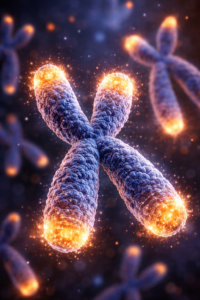
At the center of the modern science of aging is a family of proteins called sirtuins. There are seven of them in mammals, and they play a remarkably broad role in cellular health. They regulate gene expression, support DNA repair, control inflammation, influence metabolism, and help maintain the integrity of our chromosomes.
Think of sirtuins as the body’s emergency response system. When a cell encounters stress, whether that’s a DNA break, nutrient deprivation, heat, or other environmental challenges, sirtuins mobilize. They silence genes that shouldn’t be active, repair damaged DNA, and help the cell hunker down and survive adversity.
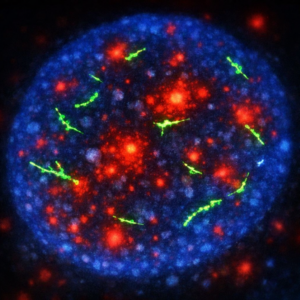
This dual role, gene silencing and DNA repair, is also where one of the key theories of aging originates. Sirtuins cannot fully perform both functions simultaneously. When they are called away from their gene-silencing duties to repair a DNA break, the genes they were regulating can become dysregulated. Do that repeatedly over decades, and the pattern of gene expression that keeps cells functioning properly begins to erode.
2. The Role of NAD: The Fuel Sirtuins Need
Sirtuins don’t work in isolation. They require a molecule called NAD+, nicotinamide adenine dinucleotide, to function. NAD+ is one of the most fundamental molecules in human biology, present in every cell, essential for energy metabolism, and a critical cofactor for sirtuin activity.
Here is the problem: NAD+ levels decline with age. The sirtuins that depend on it become less active. The protective functions they perform, gene regulation, DNA repair, metabolic control, become less effective. This decline in NAD+ is now recognized as one of the central drivers of the aging process.
The good news is that NAD+ levels can be influenced. Certain precursor molecules, most notably nicotinamide mononucleotide (NMN) and nicotinamide riboside (NR), can be converted by the body into NAD+, potentially restoring levels that have declined with age. This is one of the most active areas of longevity research today, and it is one of the reasons NAD+ support has become a significant component of advanced longevity protocols.
At RMRM, we incorporate NAD+ optimization into our broader approach to performance and longevity. Our IV infusion therapy and peptide therapy offerings are part of a comprehensive toolkit designed to support the biological systems that keep you functioning at your best. Learn more about our full range of therapies and diagnostics.