How IV Therapy May Help With Skin Aging
Skin aging is a natural process, but certain factors can speed it up. Understanding what happens beneath the surface can help explain why some people turn to IV drip therapy for skin as part of their approach to maintaining healthier-looking skin over time.
How Does Nutrient Delivery Support Younger-Looking Skin?
Aging skin loses collagen, elasticity, and moisture over time. Environmental stressors like UV exposure and pollution speed up that process by creating free radicals, which are unstable molecules that damage skin cells. IV therapy anti-aging formulas are designed to address these factors from the inside.
Vitamin C, for example, plays a key role in collagen production. When vitamin C levels are low, collagen production may be affected, which could contribute to less firm or less smooth skin over time. A study of over 4,000 women published in the American Journal of Clinical Nutrition found that higher dietary vitamin C intake was associated with a lower likelihood of wrinkled or dry skin. While that study looked at vitamin C from food, the underlying nutrient remains the same whether delivered through diet or an IV.
Glutathione works differently. Often called one of the body’s most important antioxidants, it helps neutralize free radicals and may reduce oxidative stress on skin cells. Some evidence also suggests it could influence melanin production, potentially contributing to a more even skin tone.
When these nutrients are delivered intravenously rather than orally, the body may receive a higher concentration more quickly, which could be helpful for individuals who have difficulty absorbing nutrients through the digestive tract.
IV Drip Benefits for Skin: What You May Notice
Everyone responds differently to IV therapy, and results are never guaranteed. Still, many people report specific improvements in how their skin looks and feels after sessions focused on hydration and nutrient delivery, and I always set that expectation up front.
What Changes May You Notice in Your Skin?
After one or more IV drip therapy for skin sessions, some individuals report:
- Improved skin hydration and reduced dryness
- A brighter or more radiant complexion
- A more even skin tone
- Reduced appearance of fine lines over time
- Improved skin firmness or elasticity
These changes are not instant or guaranteed. Hydration-related improvements may be noticeable sooner, while changes in texture, tone, or elasticity typically develop over several sessions and a few weeks. Factors like diet, sleep, sun exposure, and overall health all influence how much of a difference you may notice.
How IV Drip Therapy Compares to Topical Skincare
Topical skincare products work at the surface level, which has real value. Moisturizers hydrate the outer layer. Serums with vitamin C or retinol can have meaningful effects on the skin’s appearance over time. Sunscreen protects against UV damage that accelerates aging.
But topical products have a limit. Many nutrients and antioxidants cannot penetrate past the outer layers of skin in meaningful concentrations, no matter how advanced the formula.
IV drip therapy for skin takes a different approach by working from the inside out:
- Delivering antioxidants deeper than topical application can reach
- Supporting collagen production at the cellular level
- Providing whole-body hydration that benefits skin, along with other organs
- Addressing nutrient gaps that diet alone may not cover
A well-rounded approach to skin health often includes good nutrition, proper hydration, sun protection, quality sleep, and, for some individuals, targeted nutrient support like IV drip therapy for skin.
What to Expect During an IV Therapy Session?
If you’re considering IV therapy for the first time, the process is simpler than you might think. A typical appointment involves a brief consultation followed by the infusion itself, all in a comfortable clinical setting.
A Simple Walkthrough of the Process
Knowing what to expect can help put your mind at ease. Here’s how a typical session works:
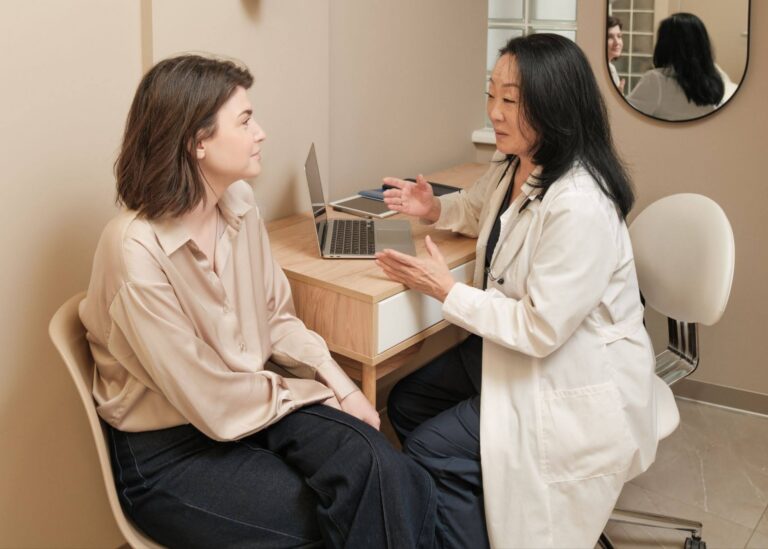
- Consultation: A healthcare provider reviews your health history and wellness goals. Based on that conversation, they recommend a specific nutrient formula.
- Setup: A trained professional places a small IV catheter in your arm. The nutrient blend is connected to an IV drip bag, which hangs above you.
- Infusion: The solution flows into your bloodstream gradually. Most sessions take 30 to 60 minutes, depending on the formula and your individual absorption rate.
- Aftercare: Once the infusion is complete, the IV is removed. Most people can return to normal activities right away.
Are There Any Side Effects?
IV drip therapy for skin is generally well tolerated when administered by trained professionals. Mild side effects may include temporary bruising or soreness at the injection site, a warm flushing sensation, or slight lightheadedness. Serious complications are rare but possible, which is why I believe having the treatment in a clinical setting with qualified medical staff is so important.
In rare cases, more serious risks such as allergic reactions to specific nutrient ingredients may occur, and high-dose or frequent infusions may place additional strain on the kidneys or liver.
Anyone with kidney conditions, liver conditions, heart conditions, or specific medication interactions, including medications that affect kidney or liver function, should talk to their healthcare provider before starting IV therapy. Pregnant or breastfeeding individuals should also consult a physician first. At RMRM, every session begins with a health intake screening to help confirm eligibility and tailor the infusion formula safely.
Who May Benefit Most From IV Drip Therapy for Skin?
IV therapy is not a one-size-fits-all solution, and it may not be the right choice for everyone. Certain individuals may see more noticeable results based on their health status, lifestyle, and existing skincare habits.
Is an IV Drip Right for You?
IV drip therapy for skin support may be a good fit for individuals who:
- Experience chronic dehydration or dry skin despite adequate water intake
- Have nutrient absorption issues related to digestive conditions
- Want to complement their existing skincare routine with internal support
- Are preparing for a special event and want to support their complexion
- Are interested in overall wellness and longevity-focused care
At Rocky Mountain Regenerative Medicine here in Boulder, IV infusion therapy is part of a personalized, longevity-focused approach to health. We offer customized IV formulas, including vitamin C, glutathione, B-complex, magnesium, and hydration blends, tailored to your individual needs and wellness goals. Combined with comprehensive diagnostics and treatments like hormone therapy, peptide therapy, and our Annual Membership Program, my team and I support you in your journey to live, look, and perform better longer.
Ready to explore how IV drip therapy for skin may support your skin health and overall wellness? Contact us or book an appointment today