
Living with chronic pain, lingering injuries, or health concerns that conventional medicine has not fully resolved can be exhausting. You have probably tried multiple approaches already, and the idea of starting over with yet another clinic feels like a lot to ask. When you begin looking into regenerative medicine therapies, the number of options across Boulder, the Front Range, and beyond can make that search even harder. Some clinics are led by experienced, board-certified physicians, while others lean more on marketing than medical expertise. You deserve to know the difference before you invest your time, your money, and your trust, so here is a practical guide to help you evaluate any clinic with confidence.
What You Should Know Before Choosing a Clinic
- A trustworthy regenerative medicine clinic is physician-led, transparent about outcomes, and grounded in diagnostics before recommending any therapy.
- Ask about credentials, therapy range, imaging guidance, and whether protocols are personalized or one-size-fits-all.
- Watch for red flags like guaranteed results, high-pressure sales, or claims of curing dozens of unrelated conditions.
- A full-service clinic with comprehensive diagnostics can match the right approach to your body, rather than defaulting to a single option.
Table of Contents
- What Is Regenerative Medicine?
- 5 Questions to Ask Before Choosing a Regenerative Medicine Clinic
- Why Physician Credentials Matter
- Why a Full-Service Clinic Is Different
- What Red Flags Should You Watch For?
- What to Expect at Your First Consultation
- Frequently Asked Questions
What Is Regenerative Medicine?
Regenerative medicine is a branch of healthcare focused on supporting the body’s own ability to repair and restore tissue. Rather than simply managing symptoms, these approaches aim to address underlying causes of pain, inflammation, or tissue damage at a cellular level.
How does regenerative medicine work?
Some of the most common therapies include:
- Platelet-rich plasma (PRP): Concentrated growth factors from your own blood that support tissue repair.
- Stem cell procedures: May involve cells from your own body to help promote healing in damaged areas.
- Exosome therapy: Cell-derived signaling molecules that may support cellular communication and recovery.
- Peptide therapy: Specific amino acid chains that can support cellular function and optimization.
- Hormone optimization: Addresses hormonal imbalances that may contribute to fatigue, pain, or accelerated aging.
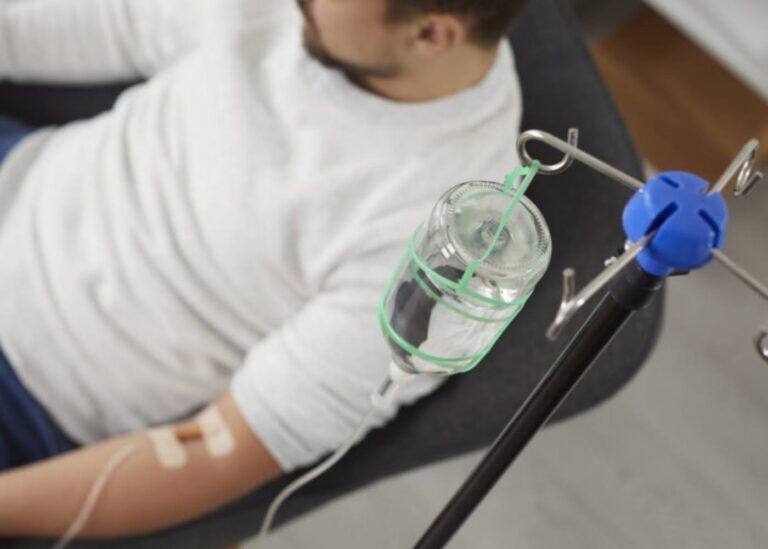
- Hyperbaric oxygen therapy: Increases oxygen delivery to tissues, which may support healing and reduce inflammation.
People commonly explore these approaches for conditions like knee osteoarthritis, chronic tendon issues such as rotator cuff or Achilles tendinopathy, plantar fasciitis, sacroiliac joint pain, and slow-healing soft tissue injuries. Results vary by individual, and not every condition responds the same way.
5 Questions to Ask Before Choosing a Regenerative Medicine Clinic
Choosing a clinic is one of the most important decisions you can make in this process, and these five questions can help you separate a well-run practice from one that may not meet your needs.
1. Is the clinic physician-led, and what are the physicians’ credentials?
A board-certified physician should personally evaluate you, perform or directly supervise your procedure, and manage your follow-up care. Look for certification in fields like emergency medicine, sports medicine, orthopedics, or physical medicine and rehabilitation. You can verify any physician’s board certification for free at CertificationMatters.org, a tool maintained by the American Board of Medical Specialties (ABMS).
2. Does the clinic offer a full range of regenerative therapies, or just one?
A clinic with only one therapy may default to that option regardless of your situation. A practice offering stem cell therapy, PRP, peptides, exosomes, hormone optimization, and supportive therapies like hyperbaric oxygen or shockwave therapy can match the right approach to your needs. While you are asking about services, find out whether the clinic uses your own biological material (autologous sourcing) for injectable procedures, as this generally carries a lower risk of immune rejection compared to donor-derived products.
3. Are diagnostics and biomarker testing part of the process?
A responsible clinic will not recommend any procedure before understanding your full health picture. Comprehensive lab work and biomarker testing can reveal underlying factors that influence which approach makes the most sense for your body, and clinics that skip diagnostics may be prioritizing revenue over your health.
4. What guidance techniques are used for injections?
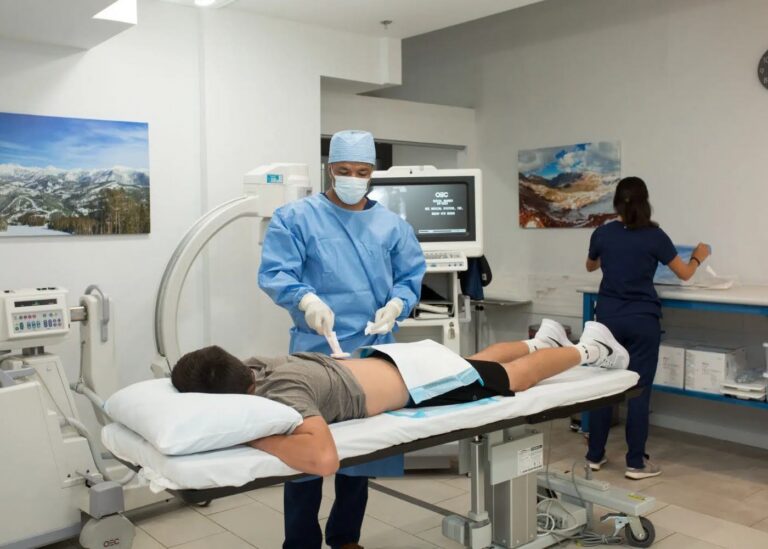
Ultrasound or imaging-guided injections allow for precise placement of biological material into the target area, whereas blind needle techniques tend to be less accurate. Ask whether the clinic uses image guidance for all injectable procedures.
5. Is there a personalized, data-driven protocol, or a one-size-fits-all approach?
A quality clinic builds your plan around your own lab results, imaging, health history, and goals rather than following a templated protocol. Personalization is one of the clearest signs that a practice takes outcomes seriously.
Why Physician Credentials Matter
The person leading your care should have verifiable, specialized training, not just a general medical license.
What credentials should a regenerative medicine physician have?
At RMRM, Dr. Khoshal Latifzai is a Board-Certified Emergency Medicine physician who completed his medical education at Dartmouth Medical School and his residency at Yale. Sarah Jane Gardner, PA-C, brings nearly two decades of medical experience with training from Tufts and Weill Cornell, along with advanced certification in IV therapy and regenerative procedures.
Credentials like these matter because regenerative medicine spans multiple medical disciplines. Deep clinical training helps a physician evaluate complex cases, recognize when a therapy may not be the right fit, and adjust protocols as your body responds.
Why a Full-Service Clinic Is Different
Many clinics offer a single therapy and apply it broadly, but a full-service model works differently.
What makes a full-service regenerative clinic stand out?
RMRM operates as Boulder’s only full-service regenerative clinic focused on longevity and health optimization. Rather than offering one therapy for every patient, the clinic combines stem cell therapy, PRP, exosome therapy, peptide therapy, hormone therapy, shockwave therapy, hyperbaric oxygen therapy, and comprehensive diagnostics under one roof. With that range available, your care team can run thorough lab work before recommending anything, layer complementary therapies when a single approach may not be enough, and adjust your plan over time as your body responds.
A well-run practice also tends to take a staged approach, starting with less intensive options first and escalating only when the body needs more support. When everything is coordinated by one physician-led team, fewer things tend to fall through the cracks.
What Red Flags Should You Watch For?
Not every clinic operates with the same standards, and some warning signs are easy to spot once you know what to look for.
What are common signs of an unreliable clinic?
The U.S. Food and Drug Administration (FDA) has cautioned consumers about clinics that market certain products without proper oversight or transparency. A 2020 FDA consumer alert, reinforced by a 2021 advisory, noted reports of serious adverse events at clinics operating outside established safety standards. Be cautious of any clinic that:
- Guarantees results or claims a 100% success rate
- Advertises one treatment as a cure for a long list of unrelated conditions
- Uses high-pressure sales tactics, same-day discounts, or limited-time pricing
- Has non-physician sales staff making medical recommendations
- Refuses to share information about cell sourcing, processing, or regulatory compliance
On the other side, one of the strongest trust signals is a clinic that will honestly tell you when you are not a good candidate for a particular therapy. At RMRM, if regenerative therapy is not appropriate for your situation, the care team will explain why, discuss alternative options, and provide referrals where appropriate. A physician who never declines a case may not be making a clinical decision.
What to Expect at Your First Consultation
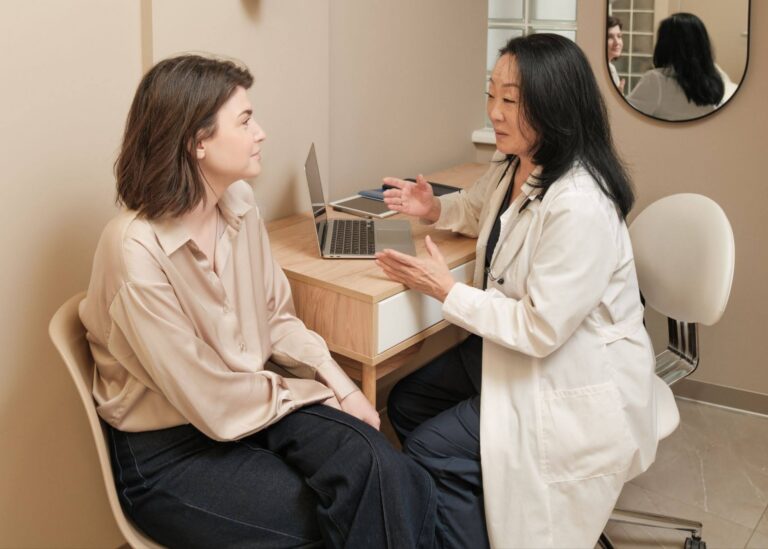
A good consultation should feel like a medical evaluation, not a sales pitch. At RMRM, initial consultations run 60 to 90 minutes, far longer than the 15-minute appointments common in conventional medicine. That time allows for a whole-person evaluation that goes beyond the symptoms you walked in with, covering your full health history, lifestyle factors, hormonal health, and any previous treatments you have tried.
How does RMRM approach a first visit?
RMRM follows a 3-step methodology designed to build a plan around your body rather than a template:
- Understand: A comprehensive evaluation including health history, lab work, biomarker panels, and imaging where appropriate, all aimed at understanding what is happening in your body before recommending anything. Your care team reviews diet, sleep, stress, exercise, and environmental factors alongside your clinical data.
- Personalized Plan: Based on your results, your care team builds a protocol tailored to your specific condition, biology, and goals. Where appropriate, regenerative therapies are combined with hormone optimization, nutritional support, and lifestyle recommendations for stronger outcomes.
- Reassess and Refine: Once a course of care begins, your team tracks progress and adjusts the approach based on real-world outcomes. Follow-up is built into the process, not treated as optional.
The clinic’s annual membership program supports this cycle of ongoing monitoring and optimization for patients who want long-term care rather than a one-time procedure.
Conclusion
Choosing a regenerative medicine clinic comes down to credentials, diagnostics, transparency, and follow-up. Ask hard questions, verify what you are told, and look for a practice that builds a plan around your data.
RMRM is a physician-led practice offering stem cell therapy in Boulder, Colorado, PRP, peptide therapy, exosome therapy, hormone therapy, and the Thrive Women’s Health Program. As the best stem cell therapy clinic Boulder, CO patients trust, RMRM combines comprehensive diagnostics with a full range of therapies under one roof.
Book a Consultation in Boulder
Ready to see whether regenerative medicine may be right for you? Learn more about the RMRM team, or take the next step today.
Book an Appointment | Contact Us | Call 720-739-1616
Note: The information in this article is for educational purposes only and should not be considered medical advice. Always consult a qualified healthcare provider before making decisions about any therapy or treatment.
Sources
- Important Patient and Consumer Information About Regenerative Medicine Therapies, U.S. Food and Drug Administration (FDA)
- Consumer Alert on Regenerative Medicine Products Including Stem Cells and Exosomes, U.S. Food and Drug Administration (FDA)
- ABMS Certification Matters, American Board of Medical Specialties (ABMS)