
Stem cell therapy uses your body’s own repair cells to help heal damaged tissues. You might be curious which conditions could benefit from stem cell therapy and whether it makes sense for you.
Stem cells are special cells that stimulate your body’s repair mechanism to heal and replace damaged tissue. At Rocky Mountain Regenerative Medicine, we utilize autologous adipose-derived stem cell therapy, concentrated regenerative cells harvested from your own fat tissue, and deployed precisely where your body needs support. When used in therapy, these cells may help reduce inflammation and support your body’s own repair processes.
Here is a straightforward look at the conditions where stem cells may help.
Emerging Stem Cell Applications
Many other conditions are being explored for stem cell therapy. The treatments below show promise but are still considered experimental for most uses. Regenerative medicine clinics like RMRM offer these treatments to help patients who have not found relief through conventional options.
Orthopedic & Musculoskeletal Conditions
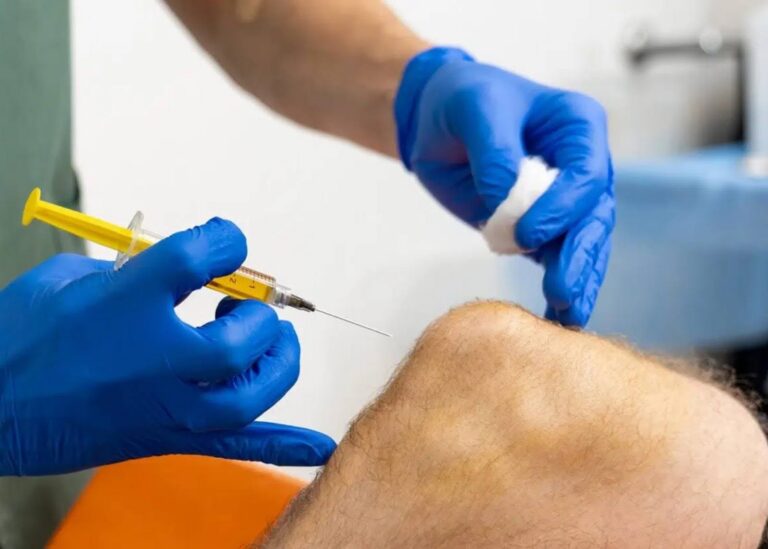
Joint problems are one of the most common reasons people seek regenerative therapies. Cartilage does not heal well on its own, so stem cells may help support the body’s repair process. Our approach goes beyond simple injection. We evaluate your specific injury pattern through advanced imaging and physical examination to determine whether biological support may alter your trajectory away from surgery.
Conditions being explored include:
- Degenerative joint disease and osteoarthritis of the knee, hip, shoulder, and ankle
- “Bone-on-bone” wear, where cartilage has degraded
- Cartilage injuries from sports or accidents
- Degenerative joint disease
- Facet joint arthropathy in the spine
People with mild to moderate joint damage tend to see better results than those with advanced wear. A proper evaluation can help determine if you are a good candidate.
Soft Tissue Injuries
Tendons, ligaments, and muscles may benefit from stem cell injections. Athletes and active people often explore these options for injuries that have not healed with rest or physical therapy.
Common soft tissue conditions include:
- Rotator cuff tears and tendinopathies
- Tennis elbow and golfer’s elbow (lateral and medial epicondylitis)
- Achilles tendon problems and plantar fasciitis
- Meniscal tears and labral injuries
- Chronic muscle strains
Some patients may also look into stem cell injections with exosome therapy or PRP to enhance results.
Spinal Conditions
Spine-related pain and degeneration affect many of our patients. Stem cells may help support repair in:
- Degenerative disc disease
- Sacroiliac joint dysfunction
- Facet-mediated back pain
Neurological Applications: Beyond Traditional Medicine
Perhaps the most exciting expansion of regenerative medicine lies in neurological recovery. Our team has developed specialized protocols for brain and nerve conditions, particularly for athletes, active professionals, and individuals seeking to optimize neurological function.
Traumatic Brain Injury & Post-Concussion Syndrome
For athletes, cyclists, skiers, and professionals who have sustained concussions, concentrated cellular therapies may help support the brain’s innate repair mechanisms. When combined with hyperbaric oxygen therapy (which we also offer), this creates a multi-modal approach to addressing the metabolic and inflammatory aftermath of head trauma.
Stroke Recovery & Cerebral Palsy
We evaluate patients recovering from hypoxic and anoxic brain injuries, conditions where oxygen deprivation has compromised neural tissue. This includes adults in the post-acute phase of stroke, where autologous cellular therapy may help support angiogenesis (blood vessel formation), modulate inflammatory cascades, and create an environment where rehabilitation can take hold. Patients with cerebral palsy seeking to optimize motor control and neurological development may also benefit. These applications remain investigational, and outcomes vary based on injury severity and timing, but we have observed meaningful improvements in functional capacity in carefully selected candidates.
Neurodegenerative Support
Emerging research suggests that cellular therapies may help support neural environments in conditions like Parkinson’s disease and other forms of dementia. While these applications remain investigational and results vary, they represent a frontier where biological support may complement traditional neurological care, particularly for patients in early stages seeking to optimize their neurological reserve.
Longevity, Optimization & Performance Enhancement
For the performance-minded individual, the executive, the master’s athlete, the biohacker treating their biology like high-performance machinery, autologous stem cell therapy offers something beyond injury repair: systemic optimization.
Chronic inflammation, the silent driver of aging and performance degradation, may respond to the immunomodulatory effects of mesenchymal stem cells. We utilize cellular therapy as part of comprehensive longevity protocols for individuals who:
- Experience persistent systemic inflammation despite optimal nutrition and training
- Seek to optimize recovery from intense athletic endeavors (especially at altitude)
- Want to support metabolic health and tissue maintenance as part of a proactive aging strategy
- Aim to support tissue resilience and functional capacity as they age
This isn’t about treating disease; it’s about optimizing your biological terrain for longevity and performance.
Sexual Wellness Applications
The regenerative capacity of stem cells extends to tissues often overlooked in traditional medicine:
For Men: Autologous stem cell therapy may support erectile function and tissue vitality when vascular and structural factors are at play.
For Women: Vaginal rejuvenation and support for urinary incontinence and tissue atrophy may leverage the same angiogenic (blood vessel-forming) and tissue-supporting mechanisms used in joint therapy. These applications significantly impact quality of life and represent a regenerative alternative to conventional approaches.
These applications significantly impact quality of life and represent a regenerative alternative to conventional approaches.
Aesthetic Medicine & Facial Rejuvenation
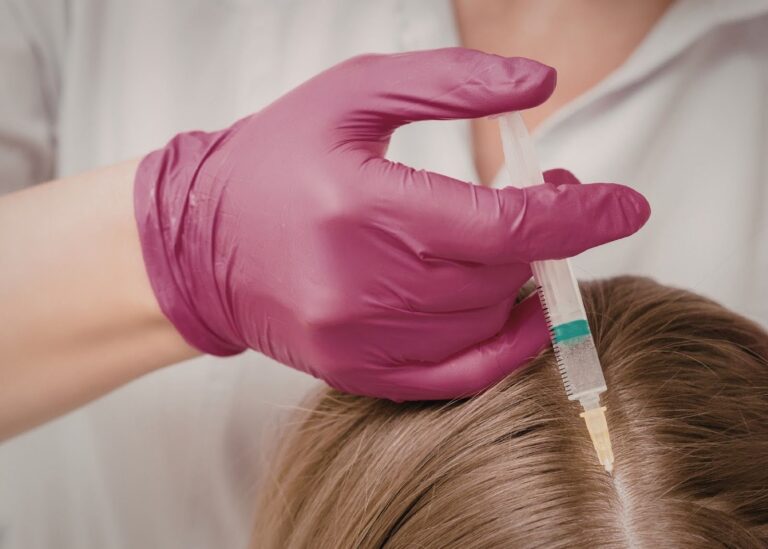
Facial rejuvenation utilizing autologous cellular therapies represents a biological alternative to synthetic fillers. By supporting collagen production and tissue vitality from within, we address the structural aging of skin and subcutaneous tissue, not merely masking it.
Note: At RMRM, we do not treat blood cancers, leukemia, or hematological disorders. Those conditions require hematopoietic stem cell transplants (bone marrow transplants), an entirely different specialty involving chemotherapy, oncological oversight, and hospital-based care. If you are seeking treatment for lymphoma, leukemia, or sickle cell disease, we are not the appropriate clinic and will refer you to hematology specialists at UC Health or National Jewish Health. Our focus is regenerative medicine for tissue repair, neurological recovery, and longevity optimization, not oncology.
Our Comprehensive Integration Approach
Many clinics offer stem cell injections. We offer integration with complementary therapies that amplify results:
- Platelet-Rich Plasma (PRP): While distinct from stem cell therapy, not a substitute, but a complementary modality, PRP can work in concert with your cells to support the healing cascade.
- Advanced Complementary Therapies: We integrate supportive biological products that amplify the primary treatment beyond stem cells alone.
- Hyperbaric Oxygen Therapy (HBOT): Creates an oxygen-rich environment for optimal cellular function and works synergistically with our cellular therapies and rehabilitation protocols.
- Peptide Protocols: Optimize the signaling environment for repair and recovery
- Hormonal Optimization: Ensures your endocrine system supports tissue regeneration and healing
With our clinical experience throughout Colorado, we have the judgment to know when cellular therapy is appropriate and when it is not.
We don’t simply inject and hope. This isn’t a panacea. When you come through our Boulder clinic doors, we:
- Review your advanced imaging and physical examination findings
- Assess your candidacy honestly
- Determine whether cellular therapy fits into your broader health strategy, or if another path serves you better
How Rocky Mountain Regenerative Medicine Can Help
At Rocky Mountain Regenerative Medicine, we offer personalized stem cell therapy as part of our regenerative medicine services. Our team evaluates each patient to determine whether stem cells or other treatments fit their specific needs and goals through a comprehensive evaluation process. We will review your imaging, assess your candidacy honestly, and determine whether cellular therapy fits into your broader health strategy, or if another path serves you better.
For patients seeking ongoing care, our annual memberships provide a data-driven approach to health optimization. Membership options include priority booking, biomarker testing multiple times per year, one-on-one provider meetings, and discounts on in-house services.
Women experiencing perimenopause or menopause symptoms may benefit from our Thrive: Women’s Health & Hormone Program. The program offers comprehensive lab testing, personalized treatment plans, and flexible pay-as-you-go pricing starting at $999.
We focus on helping you Live, Look, and Perform Better Longer through individualized care. Book an appointment or contact us to see if stem cell therapy or one of our programs could work for you.
Medical Disclaimer: Autologous stem cell therapy is not FDA-approved to treat specific diseases. Applications described above are considered investigational for many indications, including neurological and longevity optimization. Individual results vary. This therapy does not replace primary medical care for cancer, autoimmune disease, or serious neurological conditions.
FAQs
Q. What diseases can be cured with stem cells?
Autologous stem cell therapy may help support tissue repair and reduce symptoms in orthopedic, neurological, and other conditions, but it is not considered a cure.
Q. Is stem cell therapy FDA-approved?
Bone marrow transplants are FDA-approved. Most other stem cell treatments are considered experimental and not yet approved for routine use.
Q. How long do results from stem cell therapy last?
Results vary by person and condition. Some patients report benefits lasting one to three years, while others may need additional treatments.
Q. Does insurance cover stem cell therapy?
Most insurance plans do not cover stem cell treatments for joint or degenerative conditions since they are considered experimental.
Q. Who is a good candidate for stem cell therapy?
People with mild to moderate tissue damage who have not improved with conservative treatments may be good candidates. A proper evaluation can help determine fit.
Q. Are there risks with stem cell therapy?
Risks are generally low with qualified providers. Possible concerns may include infection and bleeding at the injection site, reactions, and limited effectiveness for severe conditions.