
You’ve experienced the cycle, knee pain after weekend activities, a cortisone injection for relief, then worse pain weeks later. The landmark McAlindon study in JAMA confirmed that while corticosteroids mask inflammation, they accelerate cartilage loss compared to placebo over two years.
At Rocky Mountain Regenerative Medicine, we offer a biological alternative through our comprehensive stem cell therapy program. Our approach integrates advanced diagnostics with regenerative therapy through annual membership programs designed to help you Live, Look, and Perform Better Longer.
What Is Stem Cell Therapy for Knees and How Does It Work?
Stem cell therapy for knees uses mesenchymal stem cells (MSCs) from your own adipose tissue to promote natural healing. Mesenchymal stem cells support healing by sensing injury and releasing signaling molecules (cytokines, growth factors, and exosomes) that reduce inflammation, modulate immune activity, stimulate blood vessel formation, and activate the body’s own repair cells to regenerate damaged tissue.
Adipose-derived stem cells can be harvested in substantial quantities with little patient discomfort compared to bone marrow procedures. While both sources show therapeutic potential, adipose tissue offers practical advantages in yield and accessibility for many patients.
The therapy involves harvesting cells from fat tissue, concentrating them using advanced processing techniques, and precisely injecting them into the knee joint. These cells then release anti-inflammatory factors, promote blood vessel formation, and support cartilage regeneration through natural biological mechanisms.
Understanding the Cellular Mechanism
When stem cells are deployed in your knee joint, they don’t simply replace damaged cartilage—they orchestrate a cascade of biological responses:
- Anti-inflammatory signaling: Stem cells release molecules that reduce the inflammatory environment, damaging remaining cartilage
- Immunomodulation: They create conditions that calm the immune system’s attack on joint tissues
- Angiogenesis: New blood vessel formation improves nutrient delivery and oxygen to healing tissues
- Chondrogenesis: Direct stimulation of cartilage cell growth and regeneration
Extracellular matrix remodeling: Restoration of the structural proteins that form healthy cartilage
RMRM’s Integrative Therapy Approach (NEW SECTION)
Rather than stem cells alone, we combine stem cell knee therapy with complementary regenerative modalities. Research shows that combining multiple modalities produces superior outcomes compared to monotherapy. Our comprehensive protocol includes:
Platelet-Rich Plasma (PRP): Concentrated blood platelets rich in growth factors that stimulate native stem cells, reduce inflammation, and enhance transplanted cell survival. Studies show PRP provides pain relief lasting 12 months or longer.
Peptide Therapy: BPC-157 and TB-500, administered before and after therapy, promote blood vessel formation, reduce inflammation, and optimize the joint environment for cellular therapy.
Shockwave Therapy: Acoustic wave therapy performed before stem cell injection breaks down scar tissue, stimulates blood flow, and activates cellular repair mechanisms.
Hyperbaric Oxygen Therapy (HBOT): Sessions beginning the day of or after stem cell deployment reduce inflammation, enhance stem cell survival, and improve long-term blood supply to the joint.

Why Conventional Therapy Often Fall Short
When evaluating stem cell knee pain solutions, it’s important to understand why standard approaches have limitations:
The Limitations of Each Conventional Option
NSAIDs provide temporary relief but carry risks, including stomach ulcers, kidney damage, and cardiovascular events with long-term use. They don’t address underlying degeneration.
Corticosteroid injections offer brief relief yet may accelerate cartilage breakdown. Most orthopedic surgeons limit steroid injections to three to four annually due to tissue damage risks.
Hyaluronic acid shows mixed effectiveness in clinical trials, with benefits often temporary and varying by product brand and joint condition.
Physical therapy maintains strength but cannot reverse structural damage once cartilage degradation is advanced. It remains essential as a complementary approach.
Knee replacement surgery involves major surgical risks, a lengthy recovery, and artificial joints lasting only 15 to 20 years. Revision surgery becomes necessary, with each subsequent procedure more complex.
Key insight: These approaches either mask symptoms or replace tissue without addressing the underlying biological degeneration driving pain.
Stem Cell Therapy for Knee Pain Therapy: What Conditions Respond Best
Research demonstrates that knee stem cell therapy shows particular promise for specific conditions:
- Early to Moderate Osteoarthritis
Patients with Kellgren-Lawrence grades I-III osteoarthritis experience meaningful improvements. Clinical trials consistently show that patients with early-stage cartilage damage respond better than those with severe bone-on-bone changes.
- Cartilage Defects
Athletes and active individuals dealing with cartilage damage from repetitive stress or injury may benefit from stem cells supporting tissue repair in areas with limited blood supply.
- Ligament and Meniscus Injuries
Partial tears and degenerative changes may benefit from growth factors released by mesenchymal stem cells, potentially avoiding surgical intervention.
- Post-Surgical Recovery
When combined with procedures like arthroscopy, stem cell therapy may accelerate healing and improve long-term outcomes.
Does Stem Cell Therapy Work for Knees? What Research Shows
A comprehensive Cochrane review of 25 randomized controlled trials found that stem cell injections provided meaningful improvements in pain and function compared to placebo. A 2021 Journal of Orthopaedic Surgery and Research systematic review found that adipose-derived stem cells provided superior outcomes compared to bone marrow cells. Success rates show 70 to 80% of appropriately selected patients experience significant pain relief and functional improvement, with safety profiles showing adverse events in approximately 12% of patients, mostly temporary injection site reactions.
What to Expect: RMRM’s Procedure and Recovery
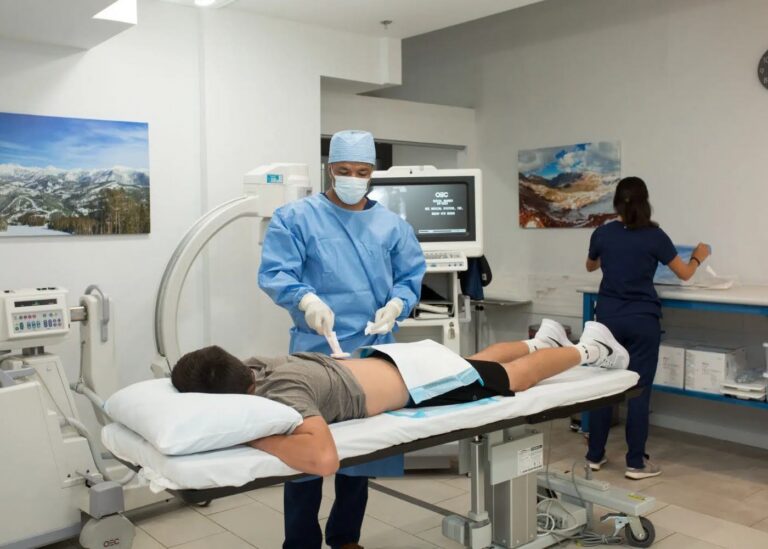
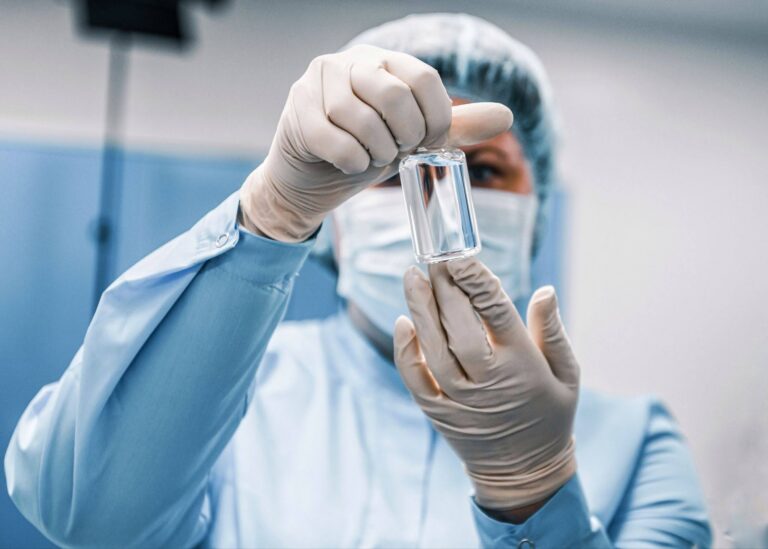
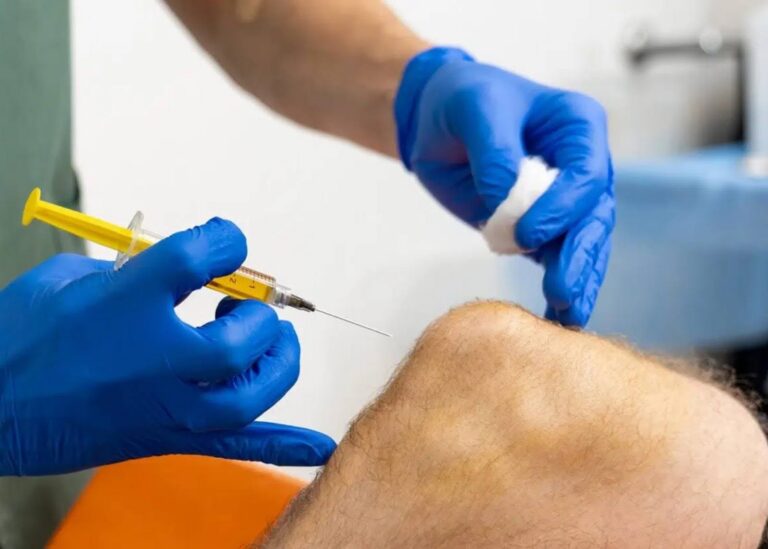
Our stem cell therapy is a 2 to 3-hour office-based outpatient procedure. We begin with a comprehensive evaluation, including history, physical exam, imaging review, and biomarker analysis. We harvest adipose tissue through small liposuction under local anesthesia, process it to isolate stem cells, and inject cells into your knee under ultrasound guidance.
Recovery is quick: soreness at the harvest site for a few days, return to normal activities within one week, and gradual return to exercise over four to six weeks. Some patients notice improvement within weeks, while others require three to six months.
What Makes RMRM Different?
We use adipose-derived stem cells rather than bone marrow, offering 500 to 1,000 times more stem cells per gram and better effectiveness for patients over 50. We integrate cellular therapy with PRP, peptides, shockwave, and HBOT rather than single-therapy therapy. Every patient receives customized protocols based on their specific condition, goals, and biology, with a focus on sustained healing rather than temporary relief.
Therapy Integration and Clinical Considerations
Research demonstrates that stem cell therapy offers a promising option between conservative therapy and surgery. The ideal candidate exists in the “biological window”, too damaged for physical therapy alone, but not yet requiring joint replacement.
At Rocky Mountain Regenerative Medicine, we conduct comprehensive evaluations, including advanced imaging and biomarker assessment, to determine candidacy. For joints showing structural damage beyond biological repair potential, we provide honest surgical recommendations.
For those seeking to optimize their health-span and maintain active lifestyles, stem cell therapy represents an evidence-based approach to knee pain that works with your body’s natural healing capacity rather than against it.
Understanding that optimal wellness requires personalized care, our comprehensive approach through structured annual memberships ensures coordinated therapy planning designed to help you achieve lasting results.
Ready to explore stem cell therapy for your knee pain? Schedule a consultation or contact our team to discuss your personalized regenerative medicine options.
Medical Disclaimer: Stem cell therapy for knee conditions is investigational, and results vary by individual. This information is educational and does not replace professional medical consultation. Always discuss therapy options with qualified healthcare providers.