By Audrey Buma • July 17, 2026

5 Things I Learned About Preventive Cancer Screening for Women When the Tests Were Mine

BOOK AN APPOINTMENT

Preventive cancer screening for women is one of the most important things we can do for our health, yet it’s often the easiest thing to put off.

Mammograms are one of the best tools we have for finding breast cancer early, often before any symptoms are present. When breast cancer is found early, treatment is usually more straightforward and outcomes are often much better.


1. What Many Women Don’t Know About Breast Density

What many women don’t realize is that a mammogram may not be the only screening they need. Breast density matters. Women with extremely dense breast tissue may benefit from additional imaging, such as a breast ultrasound or breast MRI, because dense tissue can make it harder to see abnormalities on a mammogram.

I know this firsthand.

After every mammogram, I would receive a report stating that I had extremely dense breast tissue. At the bottom, there was always a note explaining that dense breast tissue can make it harder to detect abnormalities and that mammography may not identify everything. That disclaimer never sat well with me, and that’s the gap preventive cancer screening for women is supposed to close.
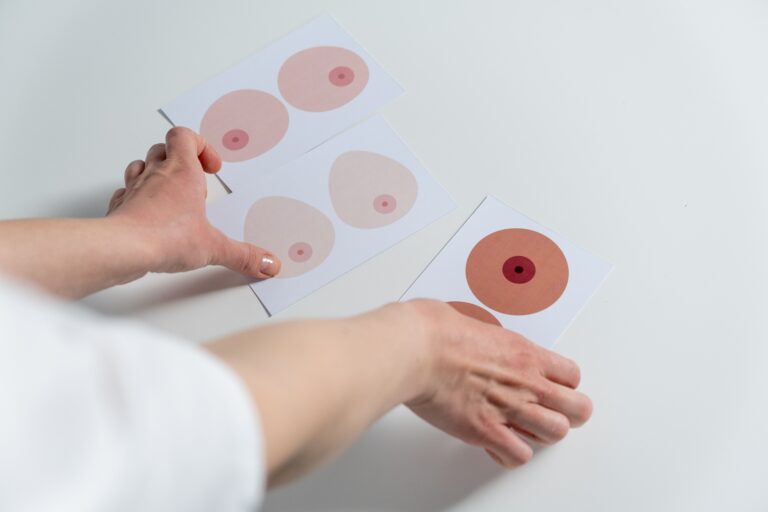

pexels-cottonbro-5701008

2. How Asking the Right Question Changed Everything

I started asking questions about additional screening. Because of my extremely dense breast tissue, I qualified for a screening breast MRI in addition to my mammograms. That MRI ultimately detected my breast cancer at an early stage. Looking back, I’m incredibly grateful I pursued further screening, because without the MRI, my cancer may not have been found as early as it was.

That experience changed the way I think about preventive screening.

If you’re due for a mammogram, make the appointment. If you’ve been told you have extremely dense breasts, talk with us about whether additional imaging may be right for you. Knowing your breast density and understanding your screening options can make a real difference.

A screening appointment takes very little time, but it has the potential to provide information that could change—or even save—your life.


3. Don’t Forget to Know Your Own Body

While mammograms and other recommended imaging are essential, don’t forget about the importance of knowing your own body. Monthly breast self-checks can help you become familiar with what is normal for you, making it easier to notice changes that may need further evaluation. Preventive care isn’t just about keeping up with screenings—it’s also about staying aware and taking an active role in your health. If you notice a new lump, skin changes, nipple discharge, or anything else that concerns you, don’t wait to have it checked. Early detection gives us the best opportunity to find breast cancer when it is most treatable.pharmacological bone-building intervention available to postmenopausal women. It is not what most women are being told to do.

pexels-klaus-nielsen-6303587

4. Have You Scheduled Your Screening Colonoscopy Yet?

If you’re 45 or older, it’s time to ask yourself an important question: Have I scheduled my screening colonoscopy? Colon cancer screening is part of the same preventive cancer screening picture for women and men alike.

Colon cancer is no longer just a disease we see in older adults. More and more people are being diagnosed at younger ages, which is why screening guidelines now recommend that most adults begin screening at age 45 unless you have family history. Then the screening starts earlier.

The reality is that many of us are willing to put in the work when it comes to our health. We exercise, make healthy food choices, prioritize sleep, and look for ways to reduce stress. Yet preventive screenings are often pushed to the bottom of the to-do list.


5. The One Screening Test That Can Actually Prevent Cancer

A colonoscopy is one of the few screening tests that can actually prevent cancer. During the procedure, your gastroenterologist can identify and remove precancerous polyps before they have the opportunity to develop into something more serious. That’s a powerful tool.

I recently had my first colonoscopy, and like most people, I was not excited about the prep. Drinking it wasn’t exactly enjoyable, but it was manageable. The procedure itself was surprisingly simple. I checked in, took a nice nap, woke up, and it was over. The hardest part was worrying.

One thing I’ve learned in healthcare is that we often spend more time worrying about a procedure than the procedure actually takes. Colonoscopies are a great example. A little preparation can provide years of reassurance and, in some cases, prevent a cancer diagnosis altogether.


If you’ve been putting it off, consider this your reminder. Make the call, get it on the calendar, and cross it off your list. It’s a small investment of time that can have a big impact on your future health.

A little prevention today, through consistent preventive cancer screening, can make a big difference in your health tomorrow.

BOOK A CONSULT

Tailored Care
for a Life Well Lived

Personalized treatment plans to help you live longer, look better, and perform at your best—no matter your age.

Step 1 – Understanding You

We start by listening carefully to your health concerns, objectives, and goals. Through a personalized consultation, we gather critical information, including relevant biomarkers, to establish a clear baseline for your individual health needs.

Step 2 – Personalized Plan Implementation

Using detailed insights gained from your assessment, we design and initiate a tailored health plan. This data-driven approach ensures interventions are specific to your body, lifestyle, and wellness goals, setting you on a clear path toward optimal health.

Step 3 – Reassessment and Refinement

Your progress is regularly measured against key health indicators and biomarkers, enabling us to objectively evaluate your improvement. Based on these insights, we continually refine your treatment plan to keep you moving toward your desired outcomes and long-term wellness.

GET STARTED

Frequently Asked Questions By Patients


Patient Success Stories

These patient success stories reflect our commitment to treating the root biological causes of knee pain, rather than just masking symptoms. Our mission is to help you restore function, stay active, and age stronger, so you can move better and live better every day.

Book a consultation to explore your personalized path to living, moving, and performing better, longer.

hero

Stay Informed on Your Health

Take the First Step Towards a Better You

Connect with us today to start your journey to living, looking, and performing better, longer.