
Waking up stiff, pushing through an aching back at work, or feeling soreness that just won’t go away, muscle pain has a way of quietly taking over your day. You’re not alone. According to the NIH, musculoskeletal conditions are the most common causes of chronic pain, affecting an estimated 50 million American adults. Whether the discomfort comes from a tough workout, hours at a desk, or something you can’t pinpoint, the frustration is real, and I hear it from patients all the time.
The good news is that stretching may help. Gentle muscle stretches done consistently could reduce tension, improve flexibility, and support recovery. Here’s a guide to the best stretches for generalized muscle pain and why I like to start patients here.
Key Takeaways
- Generalized muscle pain can come from overuse, stress, poor posture, or underlying health conditions.
- Regular stretches for generalized muscle pain may help reduce muscle tension, improve blood flow, and support flexibility.
- The ACSM recommends stretching major muscle groups at least 2 to 3 days per week, holding each stretch for 10 to 30 seconds.
- Always stretch gently. Pain during a stretch is a signal to stop.
- Persistent or severe muscle pain should be evaluated by a healthcare professional.
Why Does Generalized Muscle Pain Happen?
Before jumping into specific stretches for generalized muscle pain, it helps to understand what might be behind your discomfort. These are the common factors I look at first:
- Overuse and exercise soreness. When muscles work harder than usual, small-scale stress to the fibers can cause soreness. Delayed Onset Muscle Soreness (DOMS) typically peaks 24 to 72 hours after intense or unfamiliar physical activity.
- Prolonged sitting or poor posture. Sitting at a desk for long periods can cause muscles in the neck, shoulders, hips, and lower back to shorten and tighten. Research published in PubMed Central points to prolonged sitting as a key factor behind hamstring tightness, which may affect posture and mobility.
- Stress and tension. Psychological stress may increase muscle tension throughout the body. Stress hormones like cortisol and adrenaline can promote tightness and may contribute to soreness.
- Underlying health conditions. Fibromyalgia, hypothyroidism, or autoimmune disorders can present with widespread muscle pain. A clinical trial in PubMed Central found that stretching exercises reduced pain intensity in fibromyalgia patients. Persistent or unexplained pain should always be evaluated by a provider.
How Stretching May Help With Muscle Pain
Stretches for generalized muscle pain are one of the simplest approaches to managing muscle discomfort. According to a review in PubMed Central, regular stretching may support pain relief in a few key ways:
- Reducing muscle tension. When you hold a gentle stretch, sensory receptors send signals to the nervous system that may decrease over-stimulation and reduce stiffness.
- Improving blood flow. Stretching may increase circulation, delivering more oxygen and nutrients to tired or sore tissue.
- Supporting flexibility and range of motion. The ACSM recommends flexibility exercises for all major muscle groups at least 2 to 3 times per week, holding each stretch for 10 to 30 seconds (or up to 60 seconds for older adults).
8 Best Stretches for Generalized Muscle Pain
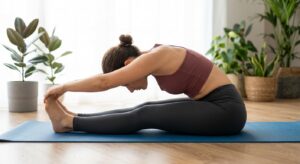
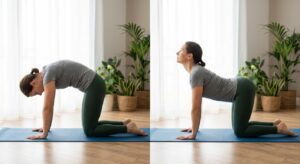
The stretches below target major muscle groups commonly affected by generalized pain. Each one can be done at home with no equipment. Hold every stretch for 15 to 30 seconds and repeat 2 to 3 times per side.
Performing stretching exercises for muscle cramps and general soreness regularly may help you feel better within a few weeks of consistent practice. These are the same stretches for generalized muscle pain I walk patients through in clinic.