By Khoshal Latifzai • May 31, 2026

How to Keep Your Body Moving for Decades: The Orthopedic Truth About Joints, Injuries, and Healthspan

BOOK AN APPOINTMENT

One of the most consistent patterns I see in patients who age well is that they never stopped moving. Not because they were immune to injury or joint degeneration, but because they adapted. They found ways to stay physically active through every obstacle, every setback, and every decade.

The patients who struggle most, the ones whose quality of life declines sharply in their 60s and 70s, are often the ones who got injured in their 40s or 50s, stopped exercising because it hurt, and never replaced that activity with something they could do. The gap between those two trajectories is enormous. And much of it is preventable.

As a performance and optimization specialist, I want to share what the orthopedic science actually tells us about protecting our joints, understanding our treatment options, and building the physical resilience that keeps us capable and independent for as long as possible.


1. The Joint That Determines Your Healthspan: The Knee

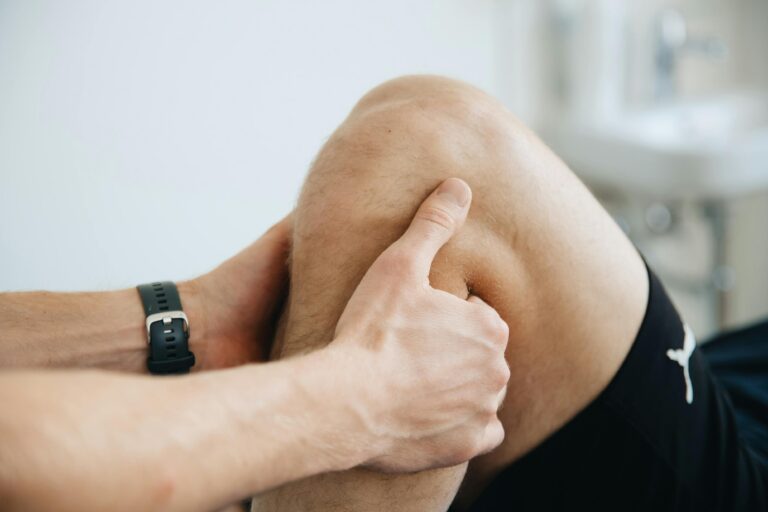
The knee is one of the most elegant and most vulnerable structures in the human body. It is extraordinarily good at bearing weight. It is not particularly well-designed for the rotational stresses and impact forces that modern athletic activity places on it. Understanding its structure and its vulnerabilities is the foundation of protecting it.

The knee has four main ligaments: the ACL and PCL, which cross in the center and control rotational stability; and the MCL and LCL on the inner and outer sides, which prevent the knee from swaying side to side. Of these, the ACL is the most commonly injured, typically through rotational forces, and its tear initiates a cascade of problems if not properly addressed. An unfixed ACL leads to instability, which over time produces accelerated wear on the cartilage.

But if there is one structure in the knee that determines your long-term joint health more than any other, it is the cartilage. Specifically the hard articular cartilage and the meniscus, the wedge-shaped soft cartilage that distributes forces across the joint. Every person will eventually lose hard cartilage. The question is when and how fast. The factors that accelerate that loss are largely well understood: genetics, past injuries, body weight, and exercise form. All of these except genetics are modifiable.

The meniscus deserves particular attention. It contours the flat tibial plateau to match the rounded femoral condyles, distributing contact pressure across a much wider surface area than the joint could achieve without it. Losing the meniscus is, in the words of orthopedic medicine, the beginning of the end for most people’s knees. Once the meniscus is significantly damaged and hard cartilage begins to go, the symptoms of knee arthritis, pain, swelling, stiffness, and limitation of movement, begin to define how active a person can be. This is precisely where healthspan and lifespan begin to diverge.
pexels-funkcines-terapijos-centras-927573878-20860603

2. Body Weight: The Most Powerful Modifiable Risk Factor

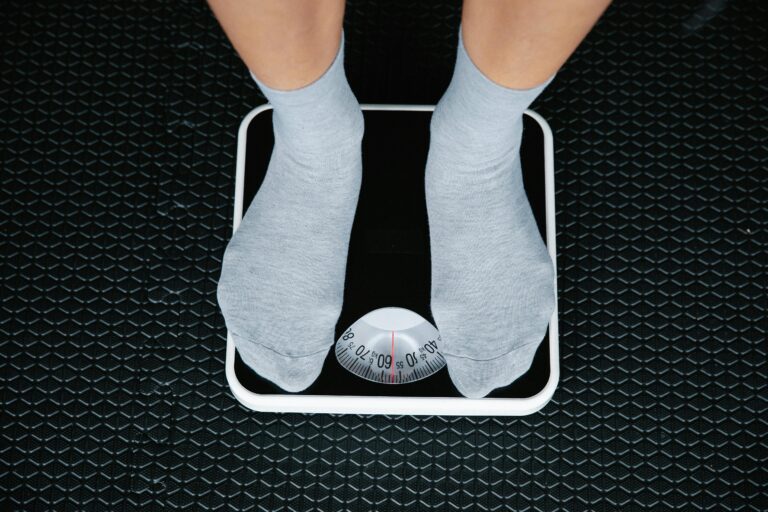
The most powerful thing most people can do to protect their joints is to control their body weight. This is not about aesthetics. It is about mechanics.

Every pound of body weight lost translates to four pounds of reduced force on the knee during walking, six pounds during stair climbing, and eight pounds during running. For a person carrying 20 extra pounds, that represents 80 to 160 pounds of excess load on the knee with every step. Over thousands of steps per day, across years and decades, the cumulative damage is significant.

Weight loss is the most consistently effective non-surgical intervention for knee pain and joint preservation. It also extends the life of knee replacements when they eventually become necessary. The younger a patient is when they receive a knee replacement, the more active they will be and the sooner the prosthetic will loosen. Every year you can push that surgery back by protecting your joints represents a meaningful gain in long-term orthopedic health.

At RMRM, metabolic health and body composition are central to everything we do. The same approach that reduces cardiovascular risk, improves hormonal balance, and supports longevity also directly protects your joints.

pexels-annushka-ahuja-7991911

3. Exercise: The Right Kind, the Right Amount, and the Right Form

Exercise is essential for orthopedic health. It is also one of the most common causes of orthopedic injury when done incorrectly. The two errors I see most often are exercising too much volume without adequate recovery, and exercising with poor form under load.

The most underappreciated rule about weight training is this: you want to activate the muscle without excessively loading the joint. You can achieve meaningful muscle stimulation with lighter weights than most people use, as long as you deliberately contract the target muscle fully once the movement has initiated. The joint does not need to bear heavy load to generate a training stimulus. What it needs is for the muscle around it to be adequately activated.

For lower body training, the most common mistake is performing squats and lunges with the knee driving forward excessively, placing load on the anterior knee rather than the posterior chain. The front leg in a lunge should be driven by the glute, not the quadriceps. The knee should not be traveling forward past the toes under significant load. These are not minor technique points. Over time, repeated loading of the knee in a mechanically disadvantaged position is a reliable path to anterior knee pain, cartilage stress, and eventually injury.

For upper body training, pulling movements tend to be safer than pushing movements for shoulder health, particularly for people with pre-existing shoulder issues or impingement. Emphasizing rows, pull-ups, and lat pulldowns over heavy overhead pressing reduces anterior shoulder stress while still building the upper body strength that supports posture and function.

The larger principle is that consistent movement throughout the day is more orthopedically beneficial than a single intense training session surrounded by hours of sitting. Sitting shortens the hip flexors, inhibits the glutes, tightens the psoas, and creates the postural imbalances that set you up for injury when you do exercise. Moving frequently and moving well is more protective than exercising intensely once and sitting the rest of the time.


4. Bone Density: Why Your 30s Are More Important Than You Think

Most people do not think about bone density until they are told they have osteopenia or osteoporosis. By that point, the opportunity to build peak bone mass has long passed.

Bone density peaks around age 30 and then begins to decline. Before 30, weight-bearing exercise, exercise that loads the skeleton, stimulates the osteoblastic activity that builds new bone. After 30, the goal of weight-bearing exercise shifts from building bone to slowing the inevitable loss. The difference between someone who built excellent peak bone density through their 20s and someone who did not is enormous by the time they reach their 60s and 70s, when fracture risk starts to have real consequences for independence and mortality.

This is why I consistently emphasize resistance training and weight-bearing aerobic activity for patients in their 20s and 30s. Not just for muscle mass, cardiovascular health, and metabolic benefits, but specifically to build the skeletal foundation that will protect them decades from now. The bone you build before 30 is an investment that compounds across a lifetime.

pexels-olliecraig1-33879987

5. Physical Therapy vs. Surgery: What the Evidence Actually Shows

One of the most common decisions patients face after an injury is whether to pursue surgery or physical therapy. The evidence on this question is more nuanced than most people realize, and it has frequently been misrepresented.

A widely cited study comparing physical therapy to surgery for meniscus tears was interpreted by many commentators as showing that the two approaches produce equivalent outcomes, therefore surgery is unnecessary. That interpretation was incorrect. The study used an intention-to-treat design in which a significant portion of the physical therapy group ultimately crossed over to surgery. The appropriate conclusion was not that surgery and therapy produce identical results. It was that it is reasonable to try conservative management first, and that surgery remains appropriate for patients who do not respond adequately to physical therapy.

The practical takeaway for patients: in most cases, trying a structured physical therapy program before committing to surgery is a sensible approach. It is lower risk, often effective, and in the cases where it does not fully resolve the problem, it provides a clearer indication that surgical intervention is warranted. The exception is clear neurological compromise, instability that impairs daily function, or structural injuries that are unlikely to resolve without repair.

When considering surgery, I recommend seeking both a surgical and a non-operative sports medicine opinion before committing to a procedure. High-volume surgeons with transparent complication data and who welcome second opinions are the ones whose recommendations are most trustworthy.


6. PRP, Stem Cells, and What the Science Actually Supports

Platelet-rich plasma therapy involves concentrating the patient’s own platelets, which are rich in growth factors, and injecting them into injured tissue to stimulate healing. Stem cell injections involve introducing cells with regenerative potential into joints or tendons. Both treatments have generated significant excitement and, unfortunately, significant marketing ahead of the evidence.

The current state of the science is that PRP may have genuine benefit for tendon injuries, though the evidence is complicated by the heterogeneity of PRP preparations and patient populations. For articular cartilage regeneration, neither PRP nor stem cell injections have demonstrated the ability to regrow damaged cartilage. The mechanisms by which some patients feel better after these treatments may include anti-inflammatory effects, placebo responses, and the rest and physical therapy that typically accompany them.

This does not mean these treatments are without value. It means they should be understood for what the evidence supports and not oversold as cartilage regeneration or arthritis reversal. 


7. The Mindset That Protects Healthspan

There is a pattern I see repeatedly in patients who navigate orthopedic challenges well. They do not stop when an activity becomes painful or impossible. They adapt. A runner who can no longer run without knee pain becomes a cyclist or a swimmer. A lifter who can no longer perform certain movements finds alternative ways to load the same muscle groups. They stay moving because they understand that the moment you stop, a different kind of decline begins.

The patients who fare worst are those who interpret an injury or a diagnosis as a reason to stop altogether. For a 45-year-old, a few years of sedentary life may not look dramatic. But by 65, the difference between the person who adapted and kept moving and the person who stopped is the difference between independence and dependence. That gap, compounded over two decades, is one of the most important things I try to help patients understand.

Your goal should be to stay as close as possible to your activity threshold without regularly exceeding it. Build strength around your injured or vulnerable joint. Manage your weight. Address your sleep and stress. Find movement you can do. Keep doing it.

Want to start today?

BOOK CONSULTATION

Tailored Care
for a Life Well Lived

Personalized treatment plans to help you live longer, look better, and perform at your best—no matter your age.

Step 1 – Understanding You

We start by listening carefully to your health concerns, objectives, and goals. Through a personalized consultation, we gather critical information, including relevant biomarkers, to establish a clear baseline for your individual health needs.

Step 2 – Personalized Plan Implementation

Using detailed insights gained from your assessment, we design and initiate a tailored health plan. This data-driven approach ensures interventions are specific to your body, lifestyle, and wellness goals, setting you on a clear path toward optimal health.

Step 3 – Reassessment and Refinement

Your progress is regularly measured against key health indicators and biomarkers, enabling us to objectively evaluate your improvement. Based on these insights, we continually refine your treatment plan to keep you moving toward your desired outcomes and long-term wellness.

GET STARTED

Frequently Asked Questions By Patients


Patient Success Stories

These patient success stories reflect our commitment to treating the root biological causes of knee pain, rather than just masking symptoms. Our mission is to help you restore function, stay active, and age stronger, so you can move better and live better every day.

Book a consultation to explore your personalized path to living, moving, and performing better, longer.

Stay Informed on Your Health

Take the First Step Towards a Better You

Connect with us today to start your journey to living, looking, and performing better, longer.