
Conditions Commonly Treated with HDOT
- Mold toxicity
- Lyme disease
- Chronic infections
- Long COVID
- Autoimmune disorders
- Chronic fatigue
- Joint pain
- Infection
- Viral illness
- Sciatic pain
Ozone therapy may support the body’s healing response across a wide range of health concerns. At Rocky Mountain Regenerative Medicine, our providers use ozone-based protocols to address conditions including mold toxicity, Lyme disease, chronic infections, long COVID, autoimmune disorders, chronic fatigue, joint pain, viral illness, sciatic pain, and arthritis.
Because ozone therapy works through multiple biological pathways, from immune modulation to improved tissue oxygenation, it can serve as either a standalone approach or a complement to other regenerative options like stem cell therapy or IV infusion therapy.
What is Ozone Therapy?
Ozone is a naturally occurring molecule made up of three oxygen atoms (O3), and its medical applications have been studied for decades. When introduced to the body under clinical supervision, ozone may trigger a cascade of beneficial biological responses. Among the most well-documented are antimicrobial activity against bacteria, viruses, and fungi (including mold), modulation of the immune system toward a more balanced and adaptive state, and enhanced circulation and tissue oxygenation through activation of nitric oxide pathways.
At RMRM, we offer two distinct forms of ozone therapy, each designed for different clinical goals. High Dose Ozone Therapy (HDOT) delivers ozone systemically through an IV protocol, while Prolozone therapy combines ozone with prolotherapy to target specific musculoskeletal pain and injury. Your provider will recommend one or both based on your diagnostic workup and health objectives.
High Dose Ozone Therapy (HDOT):
HDOT takes a systemic approach, introducing ozone directly into the bloodstream to support the body from the inside out. Rather than targeting a single joint or tissue, IV ozone therapy works across multiple systems simultaneously. HDOT may help activate antimicrobial pathways that address chronic infections, mold exposure, and viral illness while also promoting immune regulation for autoimmune and inflammatory conditions.
For patients dealing with persistent health challenges like Lyme disease, long COVID, or chronic fatigue, HDOT offers a way to support the body’s own repair mechanisms without relying solely on pharmaceutical interventions. Many patients find that ozone therapy in treatment plans alongside other regenerative protocols, such as peptide therapy or NAD+ infusions, may produce a more comprehensive result.
How HDOT Is Administered:
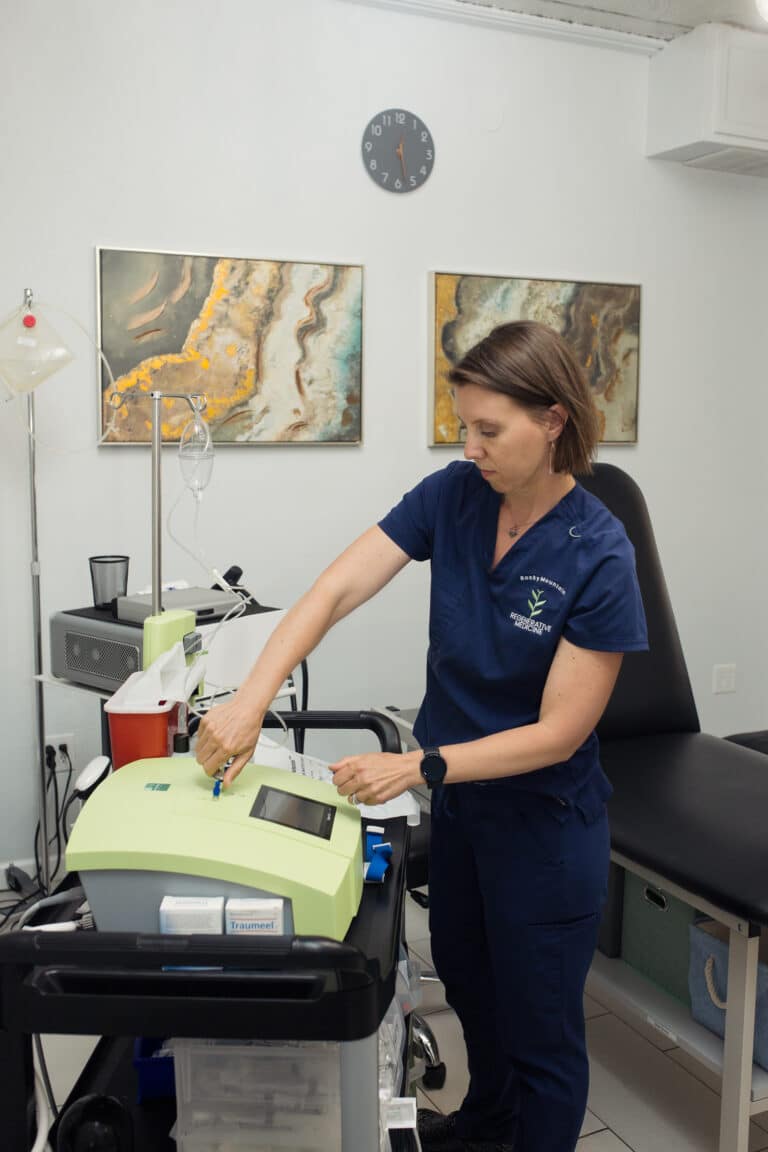
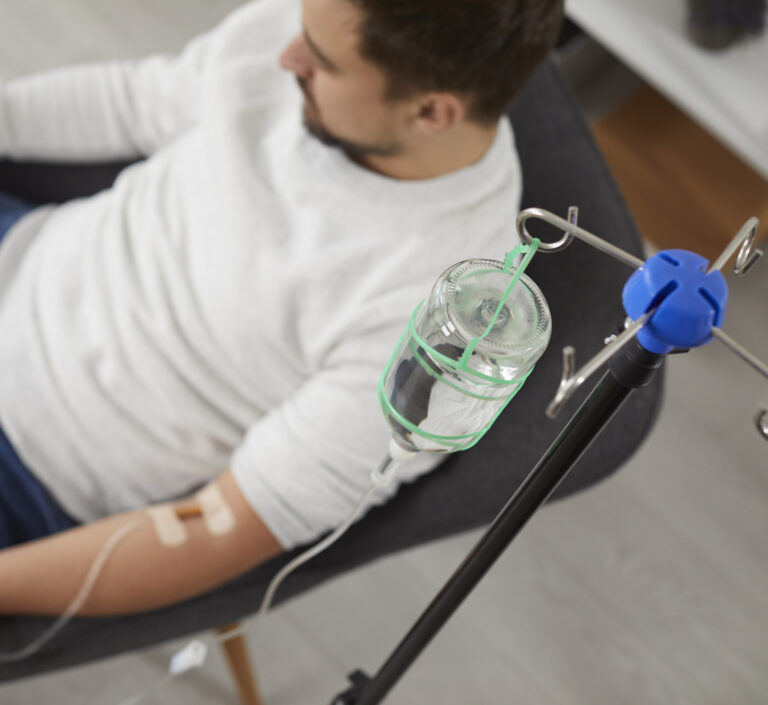
HDOT is delivered intravenously and typically takes about one hour to complete. During the session, an IV line is placed to facilitate ozonation of the blood. Once the session is finished, most patients are able to resume normal daily activities. However, because a blood thinner is used during the procedure, patients are advised to avoid contact sports or high-risk physical activities for 12 hours following the session.
Your provider will determine the appropriate number and frequency of sessions based on your condition, lab results, and how your body responds. Ongoing monitoring through our comprehensive lab panels helps guide adjustments over time.
Prolozone Therapy:
While HDOT works systemically, Prolozone takes a more targeted approach. Prolozone therapy combines prolotherapy and ozone therapy to provide synergistic effects for tissue regeneration, inflammation reduction, and pain relief. Prolotherapy involves injecting a solution into damaged connective tissues to stimulate the body’s healing response, and ozone gas is then delivered to the same area to further reduce pain and inflammation.
Ozone injection therapy through Prolozone is commonly used for musculoskeletal conditions such as arthritis, sciatic nerve pain, back pain, joint pain, sports injuries, and herniated discs. For patients who want to explore non-surgical options before considering more invasive procedures, Prolozone may offer meaningful relief while supporting the body’s natural capacity to repair. Depending on the severity and location of your condition, your provider may also recommend pairing Prolozone with PRP or shockwave therapy for a layered regenerative approach.
Benefits of Ozone Therapy:
The ozone therapy benefits that patients experience tend to vary based on the protocol used and the condition being addressed. For those undergoing HDOT, the therapy’s antimicrobial, immune-modulating, and oxygenation-enhancing properties may provide support when dealing with chronic infections, post-viral fatigue, or autoimmune challenges. Prolozone works differently, combining prolotherapy and ozone in a way that may offer meaningful pain relief and inflammation reduction for musculoskeletal conditions while encouraging tissue regeneration in the targeted area.
Regardless of which approach your provider recommends, ozone therapy may help reduce systemic inflammation and enhance oxygen delivery to tissues, creating a stronger foundation for healing. When paired with other regenerative therapies, these effects tend to build over a series of sessions. Our annual memberships and programs can help you stay consistent with your protocol while monitoring progress through regular lab work.
Frequently Asked Questions
Q. Is high-dose ozone therapy safe?
Q. What’s the difference between regular ozone therapy and high-dose ozone therapy?
Q. How does ozone therapy help with athletic performance and recovery?
Q. How many sessions will I need to feel the results?
Q. Does high-dose ozone therapy hurt?
Q. Can high-dose ozone therapy support my immune system?
Q. What’s the detox effect like after a session?
Q. Why should I choose Rocky Mountain Regenerative Medicine for ozone therapy in Boulder?
Other Therapies

Take the First Step Towards a Better You
Connect with us today to start your journey to living, looking, and performing better, longer.