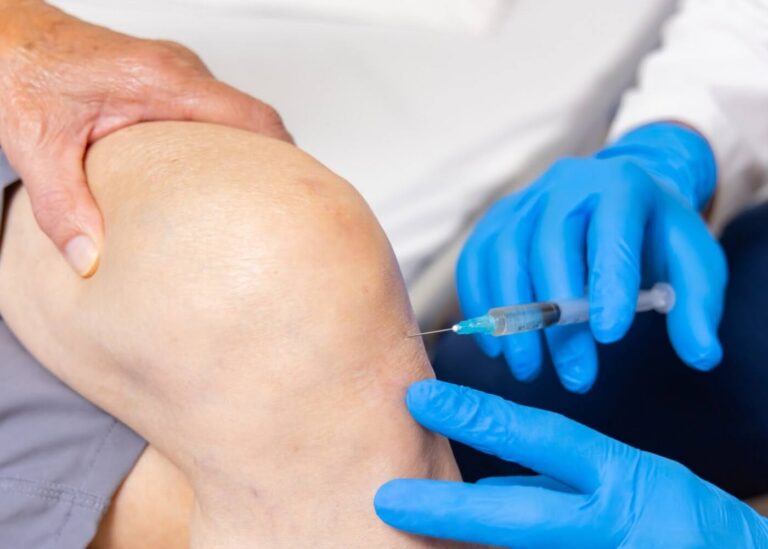

Exosome therapy may enhance healing and recovery by delivering concentrated cellular messengers directly to damaged or inflamed tissue. Once delivered, these tiny vesicles carry growth factors, proteins, and genetic signals that may help your body’s own cells repair faster, reduce inflammation, and support new tissue growth.
Exosome therapy uses the same type of cellular messengers your body already relies on, delivered in a concentrated form to areas that need extra support. That is what makes it such an interesting area of regenerative medicine.
Whether you are dealing with a slow-healing joint, lingering inflammation, or just want to understand your options, here is a clear look at what exosome therapy is, how it works, and what the current science says.
What Are Exosomes, and Why Do They Matter?
Exosomes are tiny, naturally occurring particles that your cells release. Picture them as microscopic care packages filled with proteins, growth factors, and genetic instructions (source: PMC, NIH). Almost every cell type produces exosomes, and almost every cell can receive them.
How Cells Talk to Each Other
When cells need to coordinate a repair, exosomes carry the message. A cell releases exosomes into the surrounding fluid, and those exosomes travel to other cells to deliver their cargo, whether that means reducing inflammation, producing new collagen, or ramping up tissue repair.
Key facts about exosomes:
- Exosomes range in size from about 30 to 150 nanometers, far too small to see with the naked eye (source: PMC, NIH).
- Your body produces exosomes naturally in blood, saliva, and other fluids (source: PMC, NIH).
- Exosomes carry proteins, lipids, mRNA, and microRNA, all of which can influence how receiving cells behave (source: PMC, NIH).
How Exosome Therapy Works
Exosome therapy treatment takes natural cell communication and amplifies it. Exosomes derived from mesenchymal stem cells (MSCs) are delivered to the area that needs support. Once there, these exosomes may begin sending signals to surrounding cells, potentially encouraging them to repair, regenerate, and reduce inflammation.
A Step-by-Step Look at the Process
Here is what the process generally looks like in a clinical setting:
- Evaluation: A provider assesses your health history, imaging, and goals to determine if exosome therapy is appropriate.
- Preparation: Exosomes derived from MSCs are prepared. Unlike stem cell therapy, no cells from your own body need to be harvested.
- Delivery: Exosomes are injected or applied directly to the target area, often with ultrasound or fluoroscopy guidance for precise placement into damaged tissue.
- Recovery: Most patients return to normal activities within 24 to 48 hours. The procedure is minimally invasive and outpatient.
Why MSC-Derived Exosomes?
Mesenchymal stem cell-derived exosomes are used most often in regenerative settings because MSCs produce growth factors and anti-inflammatory signals. When concentrated and delivered to a specific area, they may help amplify the body’s repair response without transplanting live cells (source: PMC, NIH).
How Exosome Therapy Compares to Stem Cell Therapy
Both fall under regenerative medicine, but they work differently. Stem cells are living cells that may divide and differentiate into new tissue. Exosomes are not living cells. Instead, they carry signaling molecules that tell existing cells to repair themselves.
Neither option is universally better. The right choice depends on the condition, extent of damage, and individual health factors. A qualified provider can help determine which approach fits best.
What Are the Potential Benefits of Exosome Therapy for Healing?
The growing interest in exosome therapy comes from early research showing a range of possible exosome treatment benefits. Much of the evidence is still emerging, but here is what researchers have observed so far.
Supporting Tissue Repair
Exosomes carry growth factors and signaling molecules that may stimulate new tissue production. Preclinical studies have shown improved cartilage repair, tendon healing, and muscle regeneration with MSC-derived exosomes (source: PMC, NIH).
Reducing Inflammation
Chronic inflammation is a common driver behind slow healing and joint pain. MSC-derived exosomes contain anti-inflammatory molecules that may help calm the immune response. A systematic review of exosome-based wound healing studies noted improvements in repair outcomes alongside decreased inflammatory markers (source: PMC, NIH).
Encouraging New Blood Vessel Growth
For tissue to heal, it needs a good blood supply. Exosomes may help promote the formation of new blood vessels (angiogenesis), meaning better oxygen and nutrient delivery to damaged areas (source: PMC, NIH).
Supporting Skin Health
Exosome therapy for skin has shown early promise for wound healing, reducing scarring, and supporting collagen production. Some studies suggest exosomes may accelerate recovery after procedures like microneedling or laser treatments (source: PMC, NIH).
What Conditions Can Exosome Therapy Be Used For?
Exosome therapy is being explored across several areas of medicine. Clinical trials and early-stage studies are underway in these areas:
- Joint and musculoskeletal issues: Knee pain, hip pain, shoulder pain, tendonitis, and osteoarthritis are among the most common conditions being studied. Preclinical models show that exosomes may support cartilage health and reduce joint inflammation (source: PMC, NIH).
- Soft tissue injuries: Athletes and active individuals may benefit from faster exosome therapy recovery times for strains, sprains, and other soft tissue damage.
- Hair loss and thinning: Hair follicles depend on specific cellular signals to stay active. Exosomes may encourage follicle activation and support hair growth, though response varies by individual.
- Skin rejuvenation: Exosomes may support collagen and elastin production, improve skin tone, and promote faster healing after cosmetic procedures.
- Inflammatory and degenerative conditions: Emerging research suggests exosomes may help regulate immune response and reduce chronic inflammation, though clinical data is still developing.
What Does Exosome Therapy Recovery Look Like?
Exosome therapy appeals to many people because of the minimal downtime. The treatment does not require surgery or live cell transplantation, so the recovery window is short.
What to Expect After Treatment
Most patients go back to their regular routine within a day or two. Mild redness, swelling, or soreness at the injection site is normal and typically resolves quickly. Your provider will likely recommend avoiding intense exercise for a short period.
Results are not instant. Because exosomes work by signaling your cells to begin repair processes, improvements tend to appear gradually. Most people notice improvements over four to twelve weeks as cellular repair processes activate.
Who May Benefit Most
Exosome therapy tends to work best for people with localized tissue damage or joint problems that have not responded to conservative care. Good candidates typically prefer non-surgical options, have realistic expectations about gradual improvement, and support recovery through movement and nutrition.
Exosome therapy may not be the right fit for people with acute infections, systemic diseases requiring immediate different treatment, or those expecting overnight results.
What the Science Says Right Now
Exosome therapy is a rapidly growing field with promising early results, but it is still in the early stages of clinical validation.
Where Research Stands
- Multiple clinical trials for exosome-based treatments are underway, including studies on knee osteoarthritis and wound healing (source: ClinicalTrials.gov).
- A randomized, double-blind study on MSC-derived exosomes for knee osteoarthritis found no adverse events and showed a degree of effectiveness based on clinical scores and MRI comparisons (source: PMC, NIH).
How RMRM Can Help
At Rocky Mountain Regenerative Medicine in Boulder, Colorado, exosome therapy is part of a larger regenerative strategy. Every treatment starts with comprehensive diagnostics, followed by a personalized protocol built around your specific goals.
RMRM combines exosome therapy with:
- Stem cell therapy, when living cell regeneration is used, may deliver stronger results
- Peptide protocols to support your body’s repair systems
- Hyperbaric oxygen therapy to improve tissue oxygenation and reduce inflammation
- Targeted rehabilitation and nutritional support to fuel healing
RMRM does not recommend a therapy unless the team believes it fits your situation. If exosome therapy is not the right answer, they will tell you.
If you want to learn more about whether exosome therapy may be right for you, contact the team or book an appointment to get started.
Note: The content in this article is for educational and informational purposes only and is not a substitute for professional medical care. Always consult a qualified healthcare professional before considering any treatment.