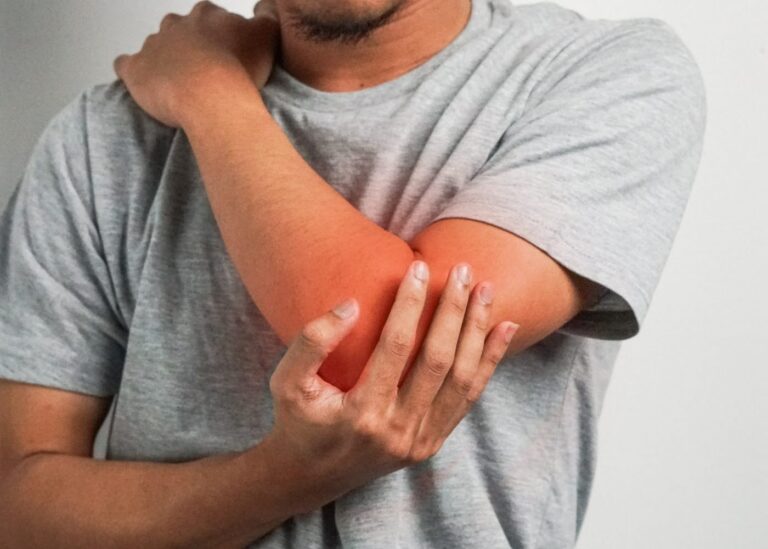

Your elbow feels like it’s holding you back. Whether it’s the sharp pain on the outside (tennis elbow) or the inside (golfer’s elbow), gripping, lifting, or even simple movements send discomfort up your forearm. You’ve rested it. You’ve tried ice. You’ve done therapy. But the pain keeps returning, especially when you try to do the activities you love.
If traditional treatments haven’t worked, you’re not alone. These tendon injuries are stubborn, and they respond slowly to standard care. The good news is that regenerative medicine offers a different path, one that works with your body’s natural healing ability rather than just managing pain.
What Happens When Tendons Get Damaged
Tennis elbow and golfer’s elbow sound different because they affect opposite sides of your elbow, but they’re cousins in injury type.
Tennis elbow (lateral epicondylitis) affects the tendons on the outside of your elbow. These tendons attach forearm muscles that straighten your wrist and fingers. Repetitive gripping, racquet sports, or even painting and carpentry can strain them over time. Research shows tennis elbow affects approximately 1-3% of the general population annually, with highest incidence between ages 35-54.
Golfer’s elbow (medial epicondylitis) affects the tendons on the inside of your elbow. These tendons attach muscles that bend and flex your wrist. The name comes from golf, but any activity involving repeated gripping, flexing, or throwing can trigger it. Studies show medial epicondylitis is less common, affecting approximately 0.4% of the population compared to 1.3% for lateral epicondylitis.
What happens inside is the same: repetitive strain creates tiny tears in the tendon fibers. Your body tries to heal, but because tendons have limited blood flow, healing is slow. Without proper intervention, the damaged tissue gets replaced with scar tissue instead of strong, functional tendon tissue. That’s why rest alone often fails. The same pattern shows up in other overuse tendon injuries, including rotator cuff tendinopathy, which is why regenerative approaches are also used in shoulder pain therapy.
Why Surgery Isn’t Always the Answer
When conservative care fails, surgery used to be the only option. But elbow surgery comes with real risks and limited effectiveness compared to what many believe.
While surgical success rates for tennis elbow are reasonably high (ranging from 82.7% to 91.9% depending on technique), actual surgical complications are rare, occurring in only 0-1.2% of cases depending on the procedure type. However, the real issue is that outcomes after surgery appear remarkably similar to the natural course of the condition without treatment. This means many patients improve without surgery.
There’s also the problem of scar tissue. Surgery creates it. Scar tissue is less flexible than healthy tendon tissue, which can create new problems down the road. Recovery takes months, and you lose function during that time.
How Regenerative Medicine Works Differently
Regenerative therapies take a fundamentally different approach. Instead of cutting and removing, they inject healing substances directly into the damaged tendon to stimulate repair and growth of new tissue.
Platelet-Rich Plasma (PRP) for Tendon Healing
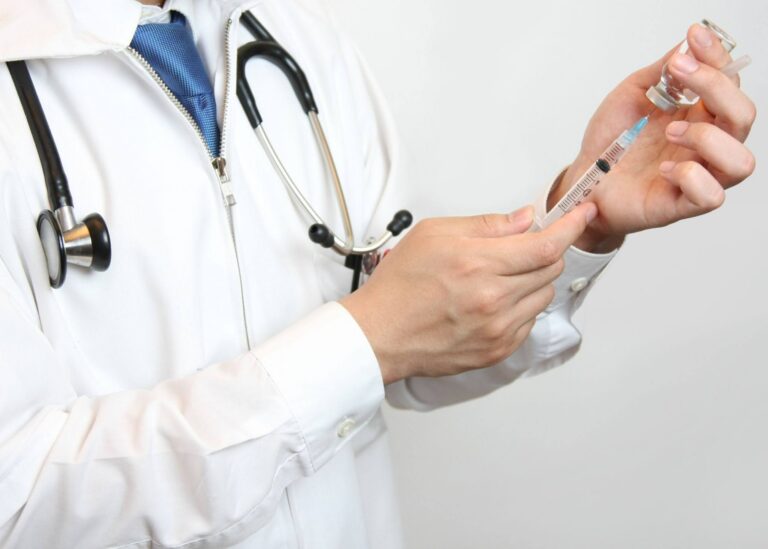
Platelet-rich plasma (PRP) starts with your own blood. A sample is drawn and processed to concentrate the platelets, which contain growth factors that signal your body to repair tissue.
When injected into the damaged tendon, PRP may reduce inflammation, increase blood flow, and stimulate the production of new tendon cells. In a large randomized controlled trial of 230 patients with chronic tennis elbow, patients treated with leukocyte-enriched PRP reported 83.9% success rate at 24 weeks compared to 68.3% in the control group. At 24 weeks, only 29.1% of PRP-treated patients reported significant elbow tenderness versus 54.0% in the control group.
The advantage is simplicity. A single injection is quick, done in an office visit, and you go home the same day. Most patients experience temporary soreness for a day or two, but serious complications are rare.
Stem Cell Therapy for Deeper Repair
Stem cell therapy works at a deeper level. Stem cells are harvested from your bone marrow or fat tissue, then injected directly into the damaged tendon.
These cells have two key abilities. First, they can differentiate into tendon cells, actually replacing damaged tissue with functional new tissue. Second, they release compounds that reduce inflammation and promote blood vessel growth. This creates an environment where true healing happens, not just scar tissue formation.
In early clinical studies, stem cell approaches show promise, with some research suggesting potential benefits for chronic cases. However, clinical evidence for elbow tendinopathy specifically remains limited, consisting mainly of small case series rather than large controlled trials. Because the cells are your own, there’s no rejection risk.
Why These Therapies May Help You Avoid Surgery
The mechanism is straightforward. You’re not suppressing symptoms or removing tissue. You’re stimulating your body to rebuild what’s damaged. This means:
- True tissue repair, not just symptom relief
- Lower complication rates compared to surgery
- Faster return to activity in some cases
- Preservation of your elbow structure and long-term function
What Recovery Looks Like
Regenerative healing takes time because it’s real tissue repair. Most patients notice pain decreasing by 6 to 12 weeks, with significant improvements by 3 to 6 months. Some clinics combine regenerative approaches like stem cells with peptide therapy or exosome therapy to optimize healing.
- Weeks 1 to 2: Initial soreness fades, light activities resume
- Weeks 4 to 8: Pain decreases, grip strength returns
- Weeks 12 to 24: Major improvements in pain and function
- Months 6 to 12: Full functional recovery and tissue regeneration
Tendons have poor blood flow and heal slowly on their own. Without stimulation, scar tissue forms instead of a functional tendon. That’s why chronic cases that have failed conservative care may benefit from regenerative intervention.
Conclusion: Your Tendon Can Heal
Tennis elbow and golfer’s elbow don’t have to mean surgery or chronic pain. Regenerative medicine offers a genuine path to tissue repair, not just symptom management. When conservative care hasn’t worked and you want to avoid surgery, PRP and stem cell therapies are worth exploring.
The key is getting a proper evaluation from a provider who understands both the injury and the range of regenerative options available. They should guide you toward the approach most likely to work for your specific situation, and be honest about what current evidence does and doesn’t support.
If you’re ready to explore how regenerative medicine can help your chronic tendon pain,
— whether you’ve been searching for elbow pain therapy in Denver or here in Boulder
— we’re here to help. Contact our clinic to schedule a consultation and get a clear diagnosis and treatment plan tailored to your elbow injury.