
Hair loss is one of the most common concerns in the United States, affecting roughly 80% of men and 50% of women at some point (PMC, 2023). For many people, losing hair goes beyond cosmetics. Confidence, self-image, and daily comfort all take a hit.
Medications like minoxidil and finasteride can slow things down, but they require daily use and stop working if you stop taking them. Hair transplant surgery is effective, but involves a longer recovery and a higher price tag.
A middle ground has gained serious attention in recent years: platelet-rich plasma therapy for hair loss. PRP is a non-surgical option that uses your own blood to support hair growth. And while more standardized research is still needed, a growing body of clinical evidence points in a promising direction.
Key Takeaways
- PRP (platelet-rich plasma) therapy draws a small amount of your own blood, concentrates the platelets, and injects them into the scalp to support hair growth.
- A 2025 meta-analysis of 43 randomized controlled trials found moderate evidence that PRP may improve hair density and reduce hair loss.
- Most protocols involve three to four initial sessions spaced one month apart, with maintenance every six to twelve months.
- Side effects are generally mild, including temporary soreness, redness, or swelling at the injection site.
- PRP works best for early to moderate thinning, not complete baldness, and results are not permanent.
What Is PRP and How Does It Work for Hair Loss?
PRP stands for platelet-rich plasma. Platelets are small cell fragments in your blood that help with healing and clotting. When concentrated and activated, they release proteins called growth factors into the surrounding plasma, signaling your body to repair and rebuild tissue.
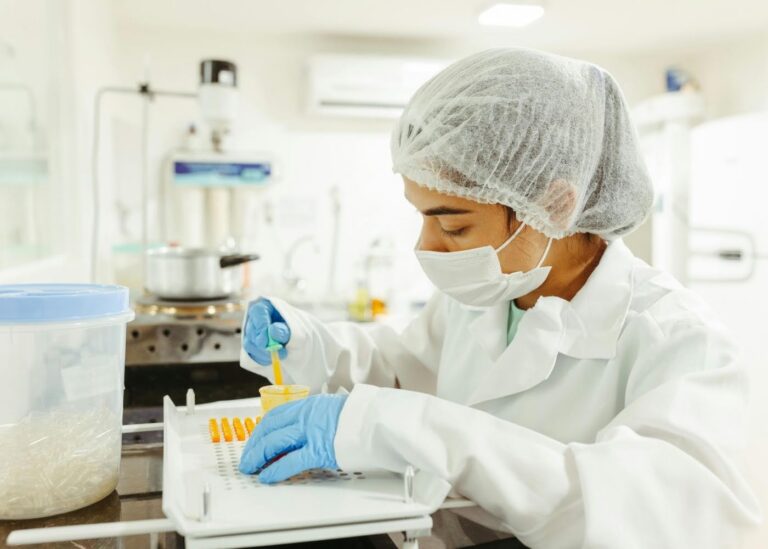
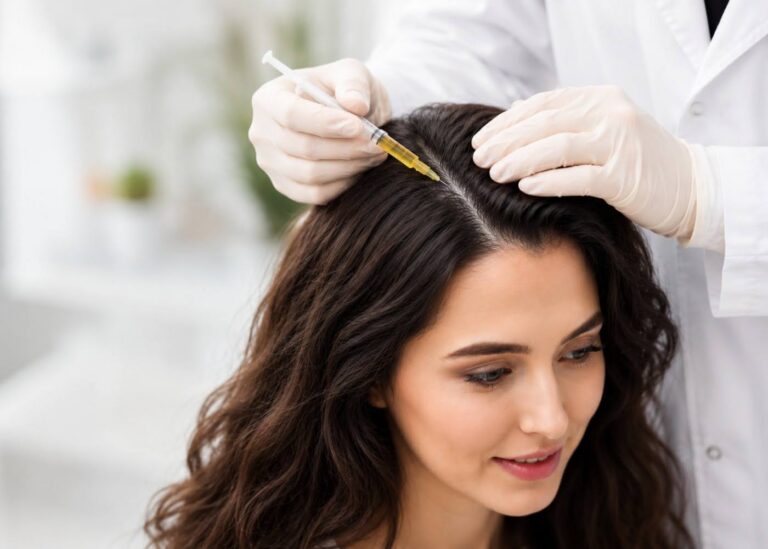
During a PRP session, blood is drawn from your arm and placed in a centrifuge that spins at high speed to separate it into layers. The layer with the highest platelet concentration is the PRP. That concentrated PRP is then injected into areas of your scalp where hair is thinning. The growth factors in the plasma may help wake up dormant hair follicles, improve blood flow, and create a healthier environment for hair to grow.
What Growth Factors Does PRP Contain?
Several growth factors carried in plasma-rich platelet therapy for hair loss are believed to support the hair growth cycle:
- Vascular Endothelial Growth Factor (VEGF) may help form new blood vessels around hair follicles, improving nutrient delivery
- Fibroblast Growth Factor (FGF) may encourage the cells responsible for hair growth to stay active longer
- Epidermal Growth Factor (EGF) may support the overall health and strength of the hair shaft
A review in Drug Design, Development and Therapy found that PRP growth factors may increase the duration of the anagen (growth) phase and could increase hair shaft thickness.
Who Is a Good Candidate for PRP?
Not everyone will see the same results from PRP. Your stage of hair loss, overall health, and medical history all play a role in how well the treatment may work.
Who Are the Best Candidates for PRP?
PRP tends to work best for people with active hair follicles. If follicles have gone completely dormant or scarring has occurred, results may be limited. Good candidates include:
- Men or women with early to moderate hair thinning (androgenetic alopecia)
- People who have noticed recent hair loss rather than long-term baldness
- Individuals in good overall health with no blood disorders
- People looking for a non-surgical option
PRP is generally safe for most adults, but certain medical conditions may make the procedure a poor fit.
Who Should Avoid PRP?
According to a review in Drug Design, Development and Therapy, absolute contraindications include critical thrombocytopenia (very low platelet count), platelet dysfunction, active infections at the injection site, and sepsis.
People currently taking blood thinners or anti-inflammatory medications like ibuprofen may need to pause those medications before and after the procedure.
What to Expect During the Procedure
PRP for hair loss is an outpatient procedure with no hospital stay, no general anesthesia, and no surgical incisions. Most providers complete the session in a single appointment.
What Does the Step-by-Step Process Look Like?
A typical platelet-rich plasma PRP therapy for hair loss session follows these steps:
- Blood draw: A sample of blood (typically between 60 and 200 mL for a highly concentrated PRP product) is drawn from your arm
- Centrifuge processing: The blood is placed in a centrifuge and spun for several minutes to separate it into layers
- PRP extraction: The platelet-rich layer is carefully separated from the rest of the blood
- Scalp injection: Using fine needles, the PRP is injected into the areas of the scalp where thinning has occurred
The entire process typically takes about 60 to 90 minutes. Some providers use local anesthesia or numbing cream to reduce discomfort.
PRP works cumulatively, so a single session will not produce meaningful results.
How Many Sessions Are Needed?
Most protocols call for three to four initial sessions spaced about one month apart. After the initial round, maintenance sessions every six to twelve months are common to sustain results.
Benefits of PRP for Hair Loss
PRP has several potential advantages compared to other hair loss options:
- Uses your own blood: Because PRP comes from your own body, the risk of allergic reaction or disease transmission is very low
- Minimally invasive: No surgery or general anesthesia needed
- Quick recovery: Most people return to normal activities the same day
- May improve hair density: A 2025 meta-analysis of 43 randomized controlled trials (1,877 participants) found moderate evidence that PRP is safe and effective in improving hair density and reducing hair loss (PubMed, 2025)
- Can be combined with other approaches: PRP may complement treatments like peptide therapy, stem cell therapy, or hyperbaric oxygen therapy for a more complete approach
Not everyone responds to PRP equally. Results vary based on the type of hair loss, platelet concentration, and overall health.
What Results Can You Expect?
PRP does not produce overnight results. Because the treatment works with your body’s own biological processes, changes happen gradually.
How Long Does PRP Take to Show Results?
Results from PRP platelet rich plasma therapy for hair loss typically follow this general timeline:
- 1 to 2 months: Some people notice reduced hair shedding
- 3 to 4 months: Early signs of new hair growth or thicker strands may appear
- 6 months: Most improvements become visible, with changes in hair density and coverage
A randomized placebo-controlled study found clinical improvement in hair density after three treatment cycles spaced one month apart.
Are Results Permanent?
PRP results are not permanent. Without maintenance sessions, hair may gradually return to its previous state. Follow-up sessions every six to twelve months may help sustain improvements.
Recovery and Aftercare
Recovery from PRP is straightforward compared to surgical alternatives. A few simple steps after your session may help protect results and reduce discomfort.
What Does Recovery Look Like?
One of the biggest advantages of PRP is the minimal downtime. Most people go back to work the same day. Some mild soreness, redness, or swelling at the injection sites is normal and usually fades within 24 to 48 hours. Your provider may give specific instructions based on your skin type and technique used.
What Aftercare Tips Should You Follow?
Common aftercare recommendations include:
- Avoid washing your hair for at least 24 hours after the procedure
- Skip intense exercise for at least two to three days
- Avoid anti-inflammatory medications (like ibuprofen or aspirin) for at least one to two weeks, as they may interfere with the platelet healing response
- Hold off on hair dyes, chemical treatments, and harsh scalp products for a few days
PRP Cost and Insurance
PRP for hair loss is not a one-time expense. The average cost per session in the United States ranges from roughly $500 to $2,500, depending on location, provider experience, and equipment.
Most insurance plans do not cover PRP for hair loss. Ask about payment plans or membership programs that could make treatment more accessible.
PRP vs. Other Hair Loss Options
Choosing the right approach depends on your stage of hair loss, budget, and goals. Here is a quick comparison:
| Feature PRP Therapy Minoxidil Finasteride Hair Transplant | ||||
|---|---|---|---|---|
| Type | Injection-based | Topical/Oral | Oral medication | Surgical |
| Sessions | 3-4 initial, then maintenance | Daily (ongoing) | Daily (ongoing) | 1-2 surgeries |
| Results timeline | 3-6 months | 3-6 months | 3-6 months | 6-12 months |
| Downtime | None to minimal | None | None | 1-2 weeks |
| Cost per year | $1,500-$5,000+ | $100-$500 | $120-$600 | $6,000-$15,000+ |
| Best for | Early to moderate thinning | Early hair loss | Male pattern hair loss | Advanced hair loss with donor hair |
PRP may work well alongside other regenerative approaches like exosome therapy or hormone therapy, especially when hair loss has a hormonal component.
Conclusion
PRP therapy is a non-surgical option that uses your body’s own growth factors to support hair regrowth. While results vary, clinical evidence suggests PRP may improve hair density, reduce shedding, and create a healthier scalp environment.
Rocky Mountain Regenerative Medicine in Boulder, Colorado, offers PRP with proprietary processing techniques designed to concentrate platelets at higher levels than standard methods. Combined with therapies like shockwave therapy and personalized care through the annual membership program, RMRM helps patients address hair loss as part of a broader longevity strategy.
Ready to learn if PRP could work for you? Contact RMRM or book an appointment to start the conversation.
Disclaimer: The information in this article is for educational purposes only and is not a substitute for professional medical advice, diagnosis, or treatment. Results from PRP therapy may vary. Always consult a qualified healthcare provider before pursuing any treatment.