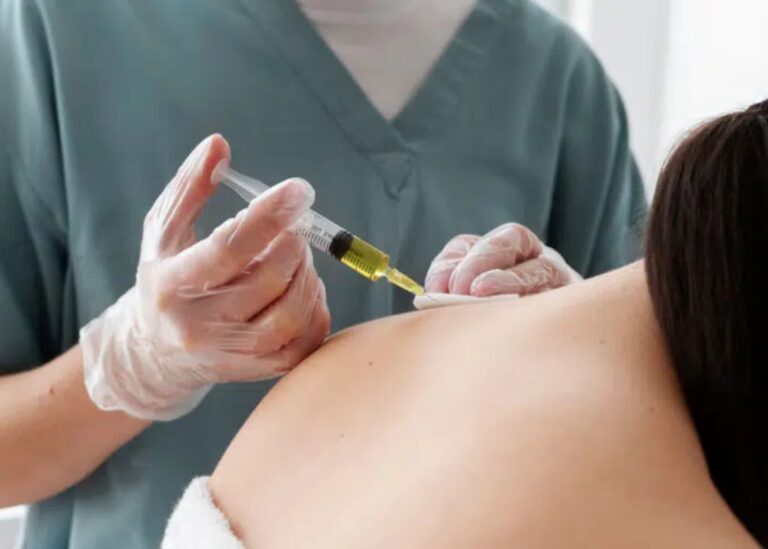
At progressive clinics like Rocky Mountain Regenerative Medicine, stem cell therapy is combined with complementary therapies to optimize results.
The Process:
- Comprehensive evaluation: Biomarker testing reveals what’s driving your osteoarthritis (inflammation, metabolic factors, healing capacity)
- Pre-treatment preparation: Optional peptide therapy (BPC-157, TB-500) and shockwave therapy prepare the joint environment
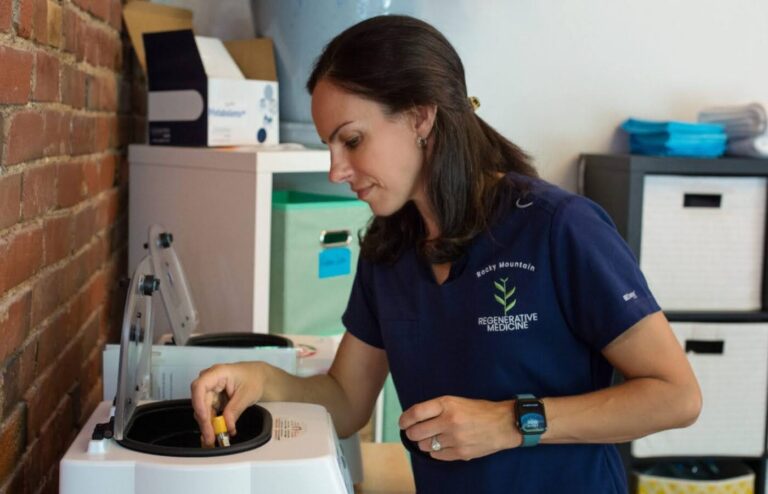
- Stem cell harvest: Small liposuction under local anesthesia harvests adipose (fat) tissue. Adipose-derived stem cells offer advantages: 500-1,000x more cells than bone marrow, less invasive, better for older patients, and potent anti-inflammatory effects
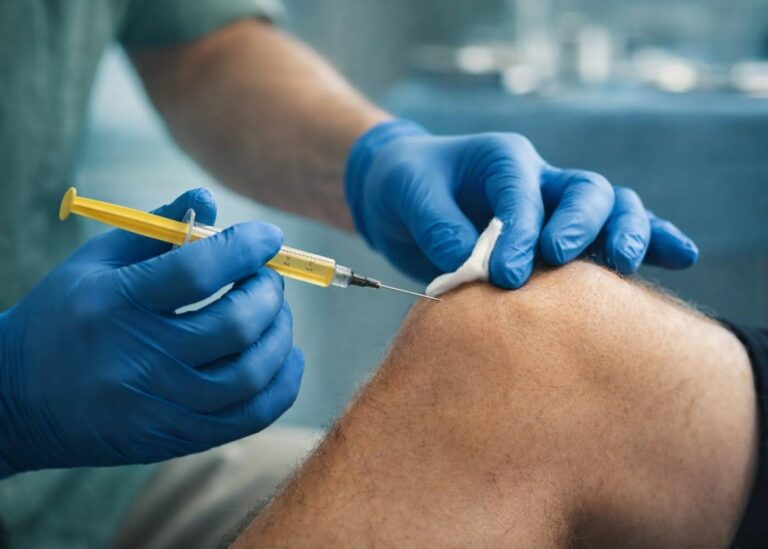
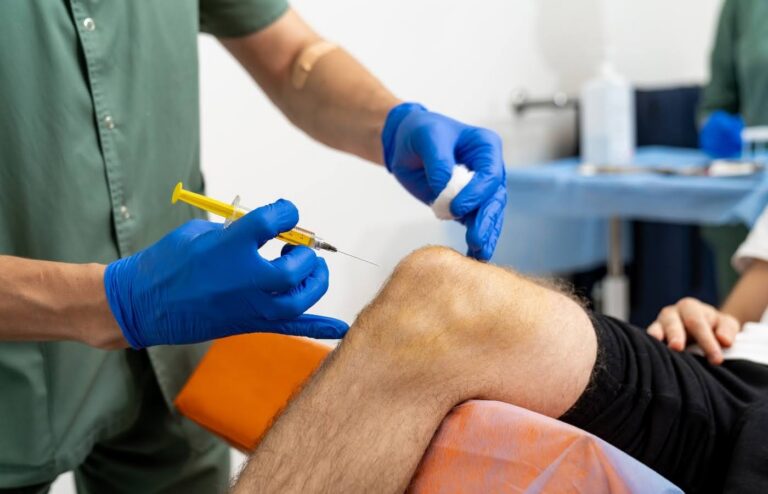
- Processing and injection: Stem cells are processed and injected directly into the joint under ultrasound guidance
- Growth factor enhancement: Platelet-rich plasma (PRP) amplifies healing signals, reduces inflammation, and supports stem cell survival
- Post-treatment hyperbaric oxygen: HBOT sessions begin day-of or day-after treatment to enhance stem cell survival, reduce inflammation, and improve healing
Timeline: The entire procedure takes approximately 2 hours and is office-based. Recovery includes soreness for a few days, return to normal activities within a week, and avoidance of high-impact activity for 4-6 weeks.
Improvement: Some notice benefits within weeks; most see full benefits over 3-6 months as cells establish themselves.
Who Is a Good Candidate?
Candidates generally have:
- Early-to-moderate osteoarthritis (severe disease is less predictable)
- Good bone health and no active joint infections
- Realistic expectations
- Commitment to post-treatment protocols
Age alone isn’t a barrier. A qualified provider like RMRM evaluates whether stem cell therapy is appropriate for your specific situation.
How Rocky Mountain Regenerative Medicine Approaches Care
At RMRM, stem cell therapy is the cornerstone of a comprehensive regenerative approach addressing the biological complexity of osteoarthritis. Rather than offering stem cell therapy in isolation, we combine it with complementary evidence-based therapies.
Our integrated protocol combines:
- Adipose-derived stem cells: They offer distinct advantage to bone marrow because they yield 100-1,000x more cells per gram of tissue, require less invasive harvest, work better for older patients (stem cell counts remain stable with age), and have potent anti-inflammatory effects
- Platelet-rich plasma (PRP): Concentrates growth factors from your blood to amplify healing signals, reduce inflammation, promote new blood vessel formation, and support transplanted stem cell survival
- Peptide therapy: BPC-157 and TB-500, administered before and after treatment, enhance tissue repair, reduce inflammation, and prepare the joint environment
- Shockwave therapy: Performed before stem cell injection to break down scar tissue, stimulate blood flow, and prime the joint for regeneration
- Hyperbaric oxygen therapy: HBOT sessions beginning day-of or day-after injection to enhance stem cell survival, reduce inflammation, improve energy production, and stimulate new blood vessel formation. To learn more about the benefits of hyperbaric oxygen therapy, our specialists can provide detailed information.
This multi-system approach addresses root causes (inflammation, metabolic dysfunction, declining regenerative capacity) rather than just masking symptoms. Comprehensive biomarker-guided evaluation reveals what’s driving your osteoarthritis, allowing us to customize your protocol. We optimize metabolic health, hormone balance, and nutrition to ensure your body is ready to heal.
For more specific information about stem cell therapy for knee pain recovery, contact our team.
Ready to Explore Your Options?
If you’re dealing with osteoarthritis and want to explore whether regenerative therapy might help, we’re here to provide an honest, comprehensive evaluation.
Contact us to discuss your specific case:
Rocky Mountain Regenerative Medicine is located in Boulder, Colorado, serving patients throughout the Front Range, including Denver, Fort Collins, and Colorado Springs.