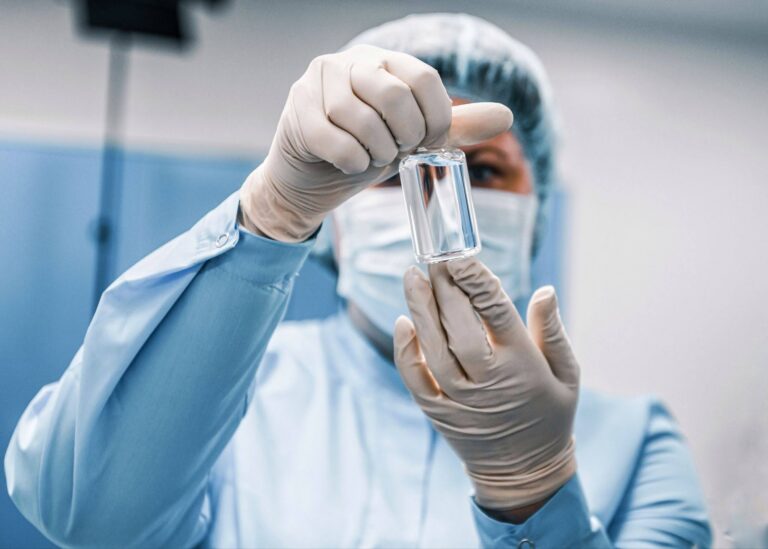

Stem cells are undifferentiated cells with two defining characteristics: the ability to self-renew and the capacity to differentiate into specialized cell types (bone, cartilage, muscle). Unlike specialized cells, stem cells maintain their primitive state until receiving signals to transform into needed tissues. This makes them invaluable for tissue regeneration.
But here’s what separates truly transformative regenerative medicine from transactional injections: the biological environment into which those cells are introduced.
What Is Autologous Stem Cell Therapy?
Autologous stem cell therapy uses your own concentrated cells to support the repair of damaged tissue. “Autologous” means the cells come from you, specifically from your adipose (fat) tissue, eliminating rejection risks and foreign material complications.
Unlike specialized cells with fixed jobs (skin cells, muscle cells), these regenerative cells act as biological response units. They can differentiate into various tissue types, secrete growth factors that stimulate repair, and modulate inflammation to create an environment conducive to healing.
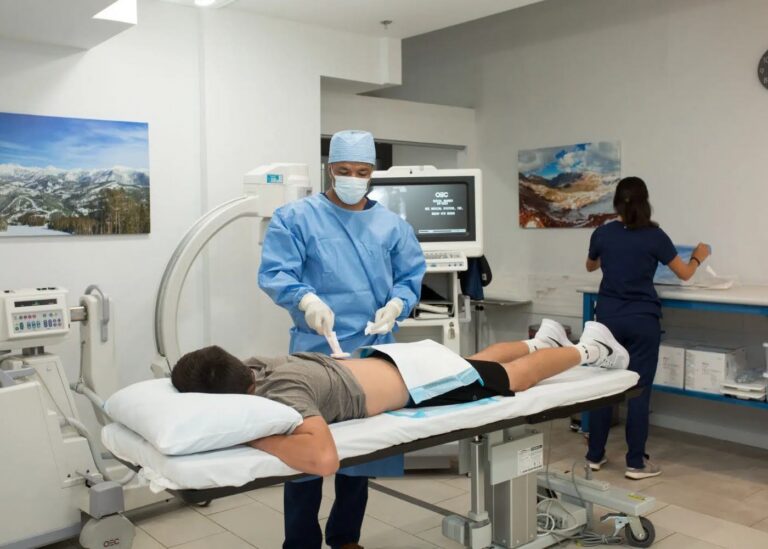
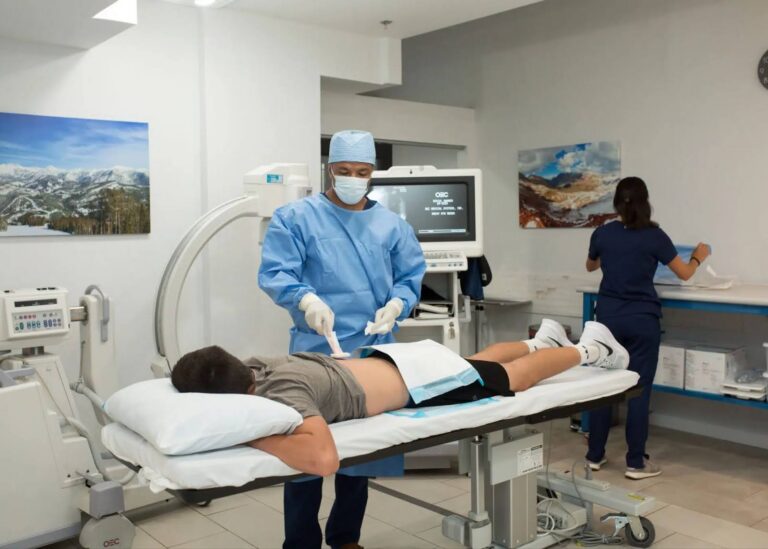
The advantage is profound: This is the biological equivalent of using original manufacturer parts. Your immune system recognizes these cells as “self.” We harvest adipose tissue, concentrate the regenerative fraction using minimally manipulated processing, and deploy those cells precisely where needed using image guidance.
Your Body Is an Integrated System, Not Parts to Replace
Think of your body like a high-performance vehicle. Replacing a worn shock absorber without addressing alignment, tire pressure, or driving habits is just waiting for the next breakdown. This is the flaw in conventional orthopedic care.
Most clinics approach joint pain like parts replacement: inject the steroid, replace the knee, and treat the shoulder in isolation. But chronic inflammation, hormonal imbalances, and metabolic dysfunction create the environment where joints degrade. Address the joint without addressing the terrain, and the same systemic forces eventually compromise the repair.
At RMRM Therapies in Boulder, we do this differently. We don’t simply introduce regenerative cells into damaged tissue. We create the biological conditions where those cells can survive, integrate, and function. We personalize this entirely: comprehensive biomarker analysis and full optimization, or direct autologous stem cell therapy. Your choice. Either way, we refuse to deliver stem cell therapy as an isolated transaction with no regard for the terrain.
Types of Stem Cells & Why Autologous Matters
Adult Stem Cells: Harvested from bone marrow, adipose tissue, or umbilical cord. Multipotent – differentiate into specific tissue types. Most commonly used therapeutically.
Autologous Stem Cells: Your own concentrated cells from adipose (fat) tissue. Our preferred approach eliminates immune rejection. The biological equivalent of using original manufacturer parts.
Embryonic & Induced Pluripotent: Limited clinical use due to ethical concerns (embryonic) or regulatory complexity (iPSCs).
Why autologous? Your immune system recognizes your own cells as “self.” We harvest adipose tissue, concentrate the regenerative fraction using minimally manipulated processing, and deploy precisely where needed using image guidance. No foreign materials. No rejection risk. Just your biology optimized.
How Stem Cells Promote Healing
Homing: Injected cells migrate to injury sites via chemical signals from damaged tissues.
Differentiation: Cells transform into needed cell types (cartilage cells for joints, etc.).
Paracrine Effects: Cells secrete growth factors, cytokines, and anti-inflammatory proteins that stimulate repair, reduce inflammation, and promote blood vessel formation.
Immunomodulation: Cells modulate inflammatory responses, creating an optimal healing environment.
These combined mechanisms enable comprehensive tissue repair far beyond simple cell replacement.
RMRM’s Full Optimization Toolkit: Where Real Results Happen
Most regenerative clinics may stop at injection. We integrate a robust toolkit that works synergistically:
Hyperbaric Oxygen Therapy (HBOT) – Delivers concentrated oxygen under pressure, creating an oxygen-rich environment that supports newly introduced cell survival and function. Extends to cognitive function, immune regulation, and systemic healing. Annual membership members receive discounted rates on sessions.
Shockwave Therapy – Both focused and radial probes (most clinics only have radial). Localizes cellular attention to specific damage sites while providing immediate pain relief without steroids.
Hormonal Optimization – Addresses hormonal deficiencies that impair repair. Your endocrine system must support regeneration for cells to function.
Peptide Therapy – Specific peptides augment healing, reduce inflammation, optimize metabolic function, timed with your regenerative timeline.
Advanced Imaging & Rehabilitation – MRI imaging reveals soft tissue pathology that X-rays miss. Coordinated Boulder-area physical therapists who understand our systems-based approach.
Exosome Therapy – Advanced cellular signaling support that works synergistically with stem cells for enhanced tissue regeneration.
Real Case Study: The Knee That Became a System
A patient arrived with severe knee pain. Standard clinics would inject immediately or suggest surgery. We looked deeper.
Testing revealed: pre-diabetic, insulin resistant, excess weight creating mechanical stress. His body couldn’t repair a joint without addressing the terrain.
Our approach:
- Shockwave therapy (1-2x weekly) → immediate pain relief without steroids
- Metabolic intervention → Prescribed insulin resistance medication + GLP-1 peptide for weight loss, established dietary changes, and connected him with local meal prep guidance
- Movement re-education → Boulder PT taught injury-prevention exercise patterns, strengthening exercises to prevent injury, and promote higher levels of daily movement
- Stem cell deployment → Only after losing 30 pounds over six months, optimizing his metabolic terrain
- Post-deployment HBOT → Oxygen-rich environment to support cell integration
One year later: Metabolically healthier, physically stronger, native knee preserved – surgery avoided entirely.
Isolated therapy would’ve failed. Systems thinking transformed his life. That’s the difference between transactional medicine and investment in biological infrastructure.
Advantages & Considerations
Advantages: Natural repair mechanisms. Multi-modal action (inflammation reduction + blood vessel formation + direct repair). Zero rejection risk (autologous). Tissue regeneration (not just symptom management). Minimally invasive. Personalized integration with full-system optimization.
Limitations: Outcomes vary by age, health, and condition severity. Most applications remain investigational outside FDA-approved uses (blood disorders, pediatric graft-versus-host disease). Potential complications include infection, bleeding, and rare uncontrolled cell growth. Out-of-pocket investment. Individual results require adherence to optimization protocols.
FDA Approvals & Clinical Landscape
Hematopoietic stem cell transplants for blood disorders (40+ years proven success). Ryoncil (December 2024) – first mesenchymal stromal cell therapy for pediatric acute graft-versus-host disease. Clinical trials are underway for MS, cardiovascular disease, and orthopedic conditions. The landscape is expanding with increasing clinical evidence.
Who Benefits From This Approach?
The Systems Thinker: You know your shoulder pain reflects sleep, stress, metabolic health, not just the joint. You want deep analysis, not just an MRI.
The Preservation-Minded: You value native anatomy. You’ll exhaust biological options before irreversible surgery with implanted hardware.
The Optimization-Oriented: You view this as an infrastructure investment. You’re willing to step outside insurance to preserve mobility for decades. You’re pursuing “Live, Look, Perform Better Longer.”
Active Athletes & High-Performers: Your body is your livelihood. Biological optimization is essential, not optional.
Longevity-Focused Individuals: You’re investing in healthspan extension, not just lifespan. Regenerative medicine is part of your comprehensive longevity strategy.
Check our Thrive Program for women and Hormone therapy.
The Alternative to Surgery
Surgery is a point of no return. Implanted hardware, cements, and metals rarely come out. You’re permanently altered. Biological regeneration preserves native anatomy while upgrading your body’s capacity to maintain it. Yes, out-of-pocket. But compare cost: stem cell therapy vs. surgical intervention + lost productivity + months of recovery + irreversible tissue alteration. Biological optimization often proves the more prudent investment.
We’ve had patients avoid surgery entirely, or significantly limit its scope, because their bodies finally possessed both the biological tools and the optimized environment necessary to heal.
Looking Forward
The future of regenerative medicine includes: advanced processing technologies improving cell isolation and potency; combination therapies integrating stem cells with shockwave, growth factors, and scaffolds; personalized medicine tailored to genetic factors; expanded applications for neurological, cardiac, and anti-aging conditions.
Rocky Mountain Regenerative Medicine remains at the forefront, offering evidence-based regenerative approaches integrated with systems-based optimization in Boulder.
Ready to Explore Your Potential?
If you’re seeking more than a quick injection – a clinic truly invested in your recovery, metabolic health, and long-term function – we invite you to a consultation. Whether you desire comprehensive biomarker analysis and full-system optimization or prefer direct autologous stem cell therapy, we personalize every aspect of care to ensure the best foundation for healing.
Contact our team to schedule your comprehensive evaluation. Find out how integrated regenerative medicine helps you avoid surgery, optimize your biology, and reclaim function — proudly serving patients pursuing stem cell therapy in denver.
Medical Disclaimer: This article is for educational purposes only and is not a substitute for professional medical advice. Stem cell therapy and most regenerative therapies discussed are investigational outside FDA-approved uses. Individual results vary based on age, health, tissue severity, and protocol adherence. Consult qualified healthcare providers regarding appropriateness for your specific needs.