
You’re recovering from an injury, dealing with low energy, or noticing your body isn’t what it used to be. Your body has powerful healing systems, but sometimes they need support. That’s where peptide therapy comes in.
Peptides are short chains of amino acids that act as cellular messengers. When levels drop due to age or stress, your repair and recovery systems slow down. Peptide therapy gives your body the tools to heal faster, recover better, and feel more vital.
You’ll learn what peptides do, why they matter, and how personalized treatment might support your health goals.
What Are Peptides and How Do They Work
Peptides are short chains of amino acids that act as messengers telling your cells what to do. Unlike proteins, they’re small enough to absorb quickly and work as signaling molecules. Your body produces thousands naturally, including insulin (regulates blood sugar), oxytocin (promotes bonding), and growth hormone-releasing hormone (stimulates growth hormone). When peptide levels drop due to age or stress, recovery slows, energy drops, and skin loses elasticity.
Peptide therapy works with your body’s natural systems rather than overriding them, which is why it tends to have fewer side effects than traditional drugs. It supplements what your body is no longer making enough of.
Why Peptide Treatment May Help Recovery and Healing
If you’ve had an injury, surgery, or feel like your body is slow to bounce back, peptide therapy may accelerate the process. Peptides like BPC-157 and TB-500 work at the cellular level to signal your body to rebuild damaged tissue.
Here’s how peptides help:
- Faster tissue repair: BPC-157 promotes angiogenesis and upregulates growth factors (VEGF and TGF-beta) that coordinate tissue repair. TB-500 enhances cell migration and stem cell mobilization. When combined with stem cell therapy, these peptides create synergistic effects that accelerate tissue regeneration and create a more favorable healing environment.
- Reduced inflammation and improved blood flow: BPC-157 modulates inflammation while maintaining immune function. Both peptides improve circulation to injured areas, bringing oxygen and nutrients that support healing. This combination of injury recovery support makes peptides particularly valuable for athletes and those recovering from surgery.
Athletes and those recovering from injury often notice improvements within weeks. The key is that peptides work with your body’s own repair systems, not against them.

How Peptide Vitality Support Works for Energy and Performance
Feeling constantly tired is one of the most common health complaints. Your schedule is demanding, but your energy doesn’t seem to match your ambition.
Peptides support energy production at the cellular level. Growth hormone secretagogues like ipamorelin and CJC-1295 stimulate growth hormone naturally, increasing stamina, improving mental clarity, and supporting muscle maintenance. When used together, they create synergistic effects without the side effects of direct hormone replacement.
Peptides like MOTS-c take a different approach to energy. This mitochondrial peptide enhances energy metabolism by activating cellular energy sensors, allowing cells to burn fat more efficiently and produce energy at optimal levels.
Unlike stimulants that create a temporary spike and crash, peptide therapy addresses the root cause of low energy. Your cells produce energy more efficiently, and the effect builds over time. Most people notice improvements within days to weeks.
Peptide Healing Support for Skin, Hormones, and Aging
The visible signs of aging aren’t just cosmetic. They often reflect deeper changes in how your body functions. Peptides address aging at the cellular level.
Skin health: Peptides stimulate collagen production, firming skin and reducing fine lines from the inside out. This happens from the inside out, not through topical creams alone.
Hormone balance: Certain peptides support your body’s natural hormone production, affecting everything from metabolism to mood to sleep quality. Learn more about optimizing hormonal health with our hormone therapy approaches for complete endocrine support.
Cellular repair: As your cells regenerate more efficiently, you look better and feel better. Hair may thicken, skin may clear, and overall vitality improves. This is cellular support, not anti-aging theater.
Understanding Different Peptide Therapy Options
There’s no single “peptide therapy.” Different peptides do different things, which is why personalization matters. Peptide therapy is one of several advanced regenerative therapies available to optimize your healing and performance.
At Rocky Mountain Regenerative Medicine, we use several specific peptides customized to different healing goals:
Recovery and tissue healing: BPC-157 (Body Protection Compound-157) is a 15-amino acid peptide with extraordinary healing properties. It promotes angiogenesis, upregulates growth factors (VEGF and TGF-beta), modulates inflammation, and enhances tendon and ligament healing.
TB-500 (Thymosin beta-4) promotes cell migration and stem cell mobilization while reducing inflammation, ideal for orthopedic conditions. To understand more about how tissue regeneration works at the cellular level, explore regenerative healing science. We often combine BPC-157 and TB-500 for accelerated recovery from injuries.
Growth optimization: Ipamorelin and CJC-1295 are growth hormone secretagogues that stimulate natural growth hormone production without side effects. Together, they enhance tissue repair, improve body composition, support better sleep, and increase energy.
Metabolic optimization: MOTS-c is a mitochondrial peptide enhancing metabolic flexibility by improving insulin sensitivity and promoting fat oxidation. When combined with exosome therapy, metabolic health improvements can be even more pronounced.
Immune support: Thymosin Alpha-1 supports immune function and cellular protection.
The right peptide for you depends on your health history, your goals, and how your body responds. This is why working with a knowledgeable provider matters. They assess your specific situation and design a protocol that makes sense for you, not a generic template.
Read More: Peptide Therapy For Weight Loss
How Peptide Treatment Is Administered
Peptides can be delivered in several ways depending on the type and your goals.
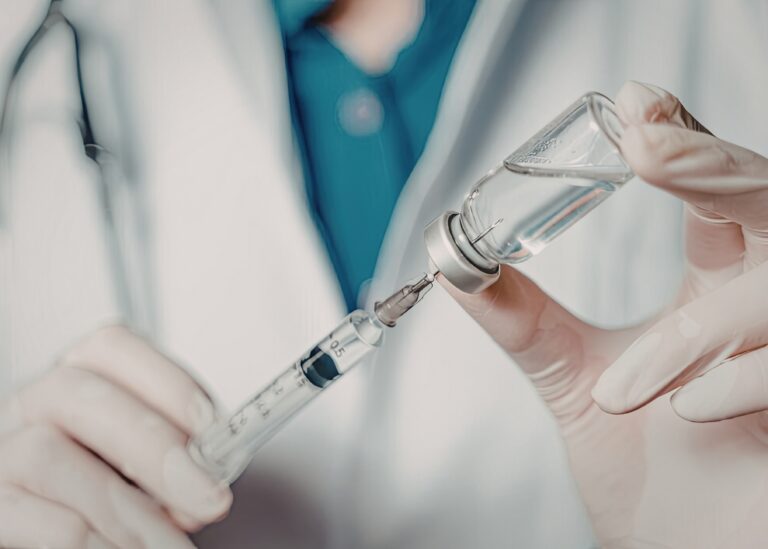
Injections are the most common method. Subcutaneous injections (under the skin) are simple, quick, and deliver peptides directly into your system where they work immediately.
Oral supplements such as capsules or powders work more slowly but offer convenience for those who prefer to avoid needles.
Topical peptides come as creams or serums and are typically used for skin-specific goals.
Your provider will explain which delivery method suits your particular peptide and dosing frequency. Most protocols involve treatment several times per week, with results building over weeks and months.
What to Expect When Starting Peptide Therapy
First 1-2 weeks: Your body begins responding. Some notice subtle shifts in sleep or energy.
Weeks 2-6: Changes become obvious. Recovery feels faster. Energy improves.
Weeks 6-12: Results compound. Skin improves. Sleep deepens. Overall vitality builds.
Ongoing: Benefits continue with consistent treatment. Many maintain gains with periodic dosing.
Peptide therapy works with your body’s natural processes. Consistency and patience are key.
Personalized Peptide Protocols at Rocky Mountain Regenerative Medicine
At RMRM, we don’t hand you a generic peptide plan. We believe peptide therapy works best when tailored to your specific situation. Here’s our approach:
- Real conversation and assessment: We understand your health history and goals. We listen carefully to what you’re experiencing and what you want to achieve.
- Data-driven treatment: Biomarkers and health markers inform which peptides we recommend and at what doses. We prioritize quality and sourcing from reputable compounding pharmacies. If something isn’t working after a few weeks, we adjust.
- Progress monitoring: We track how you’re responding and understand that individual responses vary. If your recovery has plateaued, we modify the protocol. If results are coming faster than expected, we optimize accordingly.
- Integrated regenerative care: Peptide therapy works synergistically with stem cell therapy and exosome therapy. If inflammation is slowing healing, we may recommend peptides alongside other regenerative treatments. Our comprehensive care approach through annual memberships ensures your entire healing protocol is optimized. Our goal is integrated care that solves the problem.
For Boulder and Denver area patients seeking healing, recovery, or vitality optimization, explore our peptide therapy options. We also offer annual membership programs that include peptide therapy as part of comprehensive care.
The Bottom Line
Your body wants to heal, recover, and perform well. Sometimes it just needs support to work optimally. Peptide therapy provides that support by signaling your cells to work at their best.
If you’re struggling with recovery or noticing your vitality has dimmed, exploring denver peptide therapy options may help you understand which personalized treatments align with your health goals.
Ready to get started? Contact our team or book an appointment to discuss whether peptide therapy is right for you. At Rocky Mountain Regenerative Medicine, we specialize in personalized protocols designed to help you feel, look, and perform better for longer.