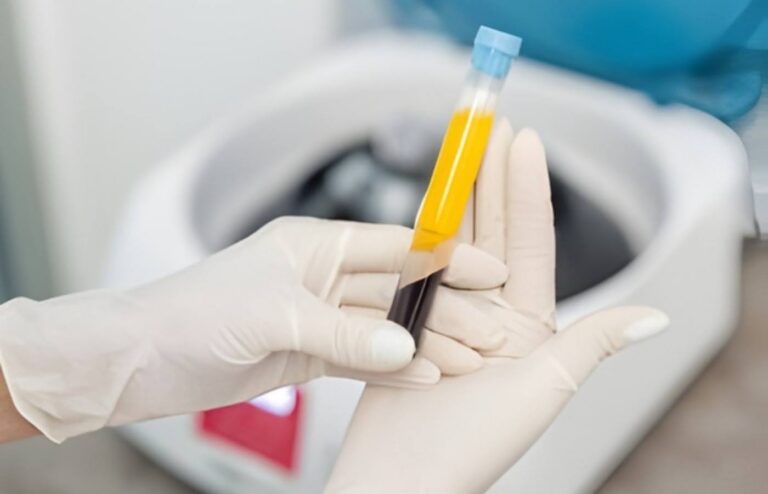
The cost of platelet-rich plasma injections typically ranges from $800 to $2,500 per injection, depending on several factors.
What affects the price:
- Whether you need one injection or a series
- The complexity of your condition
- Whether ultrasound guidance is used
- Your location and the provider’s expertise
- Whether additional diagnostics are needed first
Many insurance plans don’t cover PRP yet, though some do if you’ve exhausted conservative treatments first. It’s worth checking with your insurance company and asking your provider about payment plans or memberships that might reduce costs. Consider exploring annual memberships at RMRM, which can provide access to regenerative therapies at optimized pricing.
What to Expect During and After PRP Treatment
The entire PRP process takes about 30 to 45 minutes from start to finish.
During the procedure:
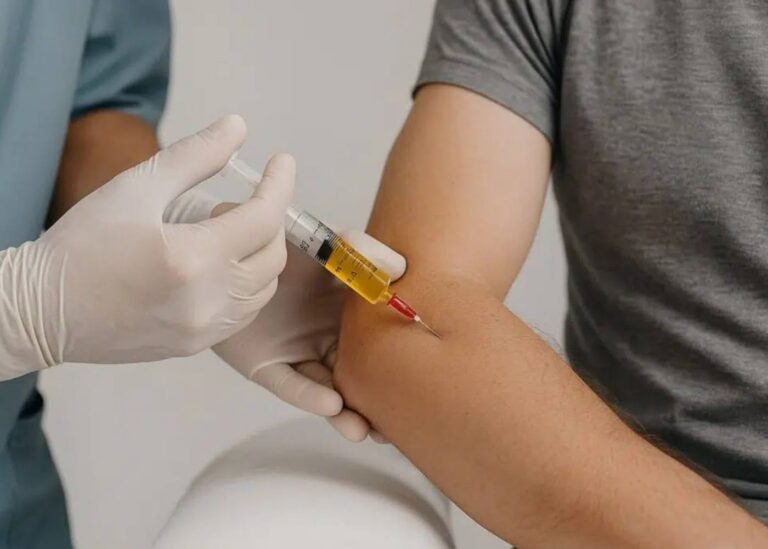
Your provider will clean the injection site with an antiseptic solution. They’ll apply a local anesthetic, which makes the area numb so you don’t feel pain during the injection itself. Using ultrasound imaging to guide the needle, they inject the PRP directly into your damaged tissue. You might feel mild pressure, but pain is minimal.
Right after:
You can leave the clinic and go about your day. Many people return to light activities immediately. You might notice mild swelling or soreness for a few days, which is completely normal and expected.
In the first week:
Rest the joint as much as possible. Avoid heavy exercise or activities that stress the area. Your provider may recommend ice for 15 minutes at a time to manage swelling. Over-the-counter pain relief can help if you’re uncomfortable. Most people report that any post-injection soreness fades within 3 to 5 days.
Recovery timeline:
This is where PRP differs from many treatments. It doesn’t work immediately. Your body needs time to respond to the healing factors in the plasma. Many people start noticing improvement around 2 to 3 weeks after the injection. Significant improvement often takes 6 to 8 weeks. Some people benefit from a series of injections spaced a few weeks apart for better results.
Does PRP Actually Work?
This is the question everyone wants answered. The honest answer is that research is promising, but results vary.
Studies on PRP treatment show it may help with:
- Chronic tendon injuries like tennis elbow
- Mild to moderate knee osteoarthritis
- Ligament sprains
- Rotator cuff injuries
The evidence is strongest for specific conditions and weakest when cartilage damage is extensive. Some people get excellent relief. Others see modest improvement. A small number report no change.
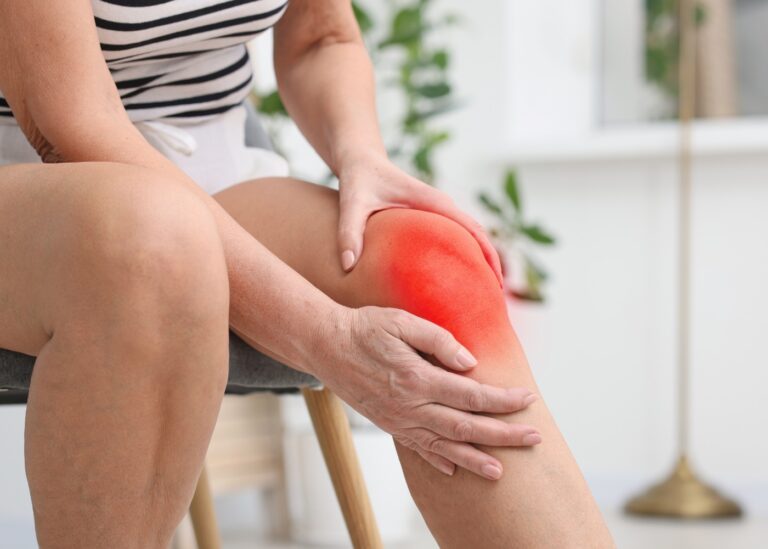
For knee pain recovery and arthritis management, PRP often works well for early-stage degeneration. For more advanced cases, you may want to explore whether stem cell therapy for knees or other regenerative options are better suited to your needs.
What affects your results:
- The severity of your injury or arthritis
- How long have you had the problem
- Your overall health and healing capacity
- Whether you follow post-injection care instructions
- Your activity level and joint stress after treatment
The best way to know if you’re a good candidate is to work with a provider who does a comprehensive evaluation. They should review your imaging, understand your pain pattern, and give you an honest assessment of your likely outcomes before you commit to treatment.
PRP vs. Surgery vs. Conservative Care
How does PRP fit into the bigger picture of joint pain treatment?
Conservative care: includes rest, physical therapy, anti-inflammatory medication, and activity modification. This should be your first step. Many joint problems improve with these approaches. PRP is typically considered when conservative care hasn’t worked after several months. Explore comprehensive information about diseases treated by stem cell therapy and other joint conditions that may need more advanced intervention.
PRP injection: sits in the middle. It’s less invasive than surgery. It uses your body’s own healing mechanisms. Recovery is fast. The main trade-off is that results are less predictable than surgery, and it takes longer to see improvement. For knee pain and arthritis, PRP is often the next step when conservative care alone isn’t enough.
Surgery: like arthroscopy or joint replacement, is more invasive but provides more dramatic results for severe damage. It’s typically reserved for significant structural problems or when other treatments fail. Some patients explore stem cell therapy for degenerative disc disease or other conditions before committing to surgery.
The right choice depends on your specific situation, your goals, and your timeline.
Additional Treatments That Pair Well With PRP
If you’re considering PRP injections near Boulder, you may benefit from combining them with other approaches.
Physical therapy after PRP accelerates healing. Your therapist can design exercises that support the recovery process without overloading the joint.
Regenerative therapies can enhance results. Stem cell therapy works through a different mechanism than PRP and may offer additional benefits for significant joint damage. Learn more about how stem cell therapy works and whether knee replacement or stem cell therapy is the right choice for your situation.
Exosome therapy represents the next frontier in regenerative medicine and may be combined with PRP for comprehensive joint repair.
Shockwave therapy can reduce inflammation and stimulate blood flow, potentially enhancing PRP results. Shockwave treatment works through a different mechanism and may be used before or after PRP.
Proper nutrition and anti-inflammatory strategies support healing at the systemic level. Your provider might recommend specific dietary approaches to reduce inflammation and optimize recovery. Some patients also benefit from peptide therapy for enhanced healing and vitality.
Hyperbaric oxygen therapy may support systemic recovery. Learn more about what hyperbaric oxygen therapy is and why it’s used and explore the benefits of hyperbaric oxygen therapy for accelerating overall healing.
How RMRM Helps With PRP Joint Pain Treatment
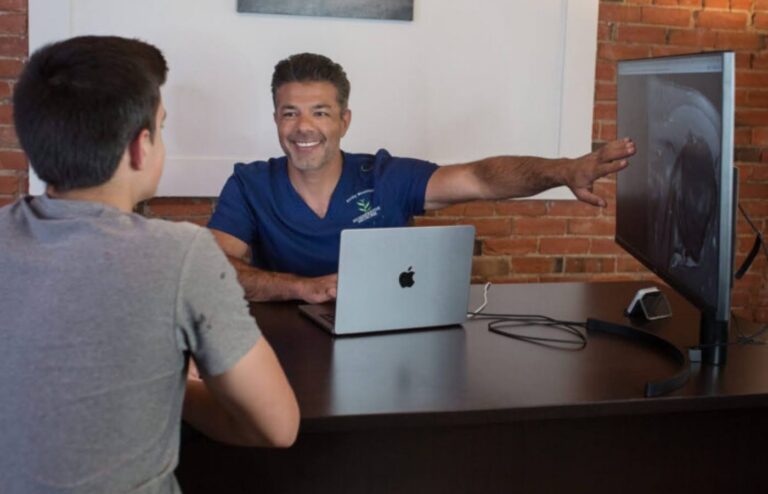
At Rocky Mountain Regenerative Medicine, we evaluate every joint pain case individually. We don’t just inject and hope. We review your imaging, understand your pain pattern, and design a treatment plan specific to your needs.
Our approach includes comprehensive diagnostics to understand what’s actually driving your pain. We integrate PRP with physical therapy coordination, nutritional support, and when appropriate, other regenerative therapies like shockwave therapy, stem cell therapy, exosome therapy, or peptide therapy for maximum healing potential.
We’re also upfront about realistic timelines and outcomes. If you’re not a good candidate for PRP, we’ll tell you. If you are, we’ll walk you through exactly what to expect. Our annual memberships provide ongoing access to multiple regenerative therapies, ensuring you have the right tool for your specific needs at each stage of healing.
Ready to see if PRP is right for your joint pain? Schedule a consultation or contact us to discuss your options.