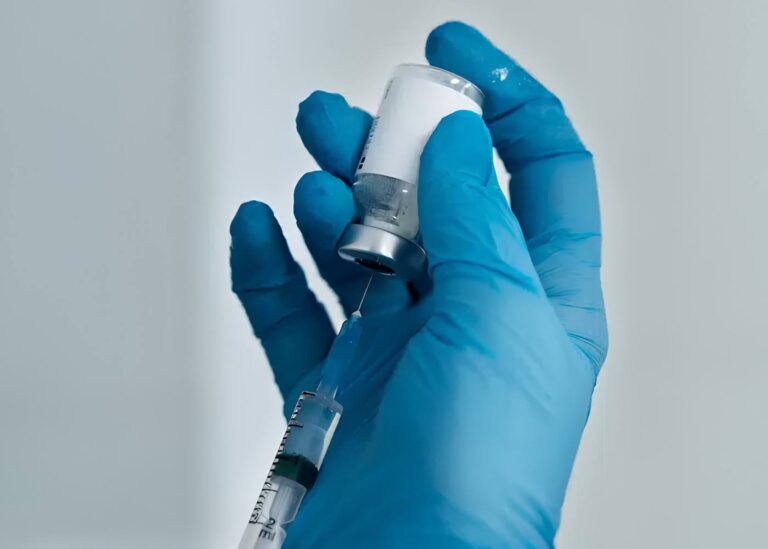

Peptides are one of the most talked-about topics in health and fitness right now. More people in Boulder, Colorado, and across the country are asking about peptides for muscle growth, how they differ from steroids, and whether they actually work. With the FDA’s February 2026 announcement proposing to move 14 peptides back to legal compounding status, access through licensed pharmacies and qualified providers may soon expand further.
So what are these compounds, and what does the science actually say? Here is a straightforward, educational breakdown of the most commonly discussed muscle growth peptides in 2026, how they work, what the evidence shows, and what you should consider before exploring any of these options.
Key Takeaways
- Peptides like CJC-1295, Ipamorelin, Sermorelin, BPC-157, and TB-500 are among the most commonly discussed options for muscle growth and recovery support in clinical settings.
- Peptides work with the body’s natural hormone systems, unlike steroids, which override them.
- Medical supervision, including baseline bloodwork and ongoing monitoring, is essential for safe use.
What Are Peptides?
Peptides are short chains of amino acids, the same building blocks that make up proteins. Your body already produces many peptides naturally. Peptide hormones like insulin and growth hormone play key roles in everyday biological functions, from blood sugar regulation to tissue repair.
When people talk about peptide supplements or peptide therapy for fitness goals, they are usually referring to synthetic versions of these naturally occurring compounds. Unlike anabolic steroids, which introduce synthetic hormones directly into the body, peptides work by signaling the body’s own systems to do more of what they already do.
How Peptides May Support Muscle Growth
Peptides associated with muscle development generally work through three overlapping pathways. Not all peptides use the same mechanism, which is why some clinics combine different peptides for different goals.
Growth Hormone Stimulation
Several peptides work by encouraging the pituitary gland to release more growth hormone (GH). Growth hormone then triggers the liver to produce IGF-1 (insulin-like growth factor 1), which plays a role in muscle protein synthesis. According to the Endocrine Society, growth hormone may help maintain lean body mass, support connective tissue repair, and play a role in reducing body fat.
Faster Recovery
Recovery is where many people notice changes first. Some peptides may help with tissue repair after exercise or injury. Faster recovery could mean more consistent training, which is one of the most important factors in building muscle over time.
Body Composition Changes
Many people are not just looking to gain muscle. Changing the ratio of muscle to fat is often the bigger goal. Growth hormone influences how the body stores and uses fat. Some people exploring peptides for muscle growth and fat loss are interested in the potential for improved body composition, meaning more lean mass and less body fat, rather than just scale weight. Newer peptides like MOTS-c, a mitochondrial-derived peptide that may improve how cells burn fat and use energy, are also gaining attention in clinical settings for body composition support.

Top Peptides for Muscle Growth in 2026
Below are the most commonly discussed peptides in clinical and wellness settings. Each works through a different pathway.
| Peptide Primary Role Administration Typical Onset | |||
|---|---|---|---|
| CJC-1295 + Ipamorelin | GH stimulation | Subcutaneous injection | 6-12 weeks |
| Sermorelin | GH stimulation | Subcutaneous injection | 6-12 weeks |
| BPC-157 | Tissue repair | Subcutaneous injection | 2-4 weeks |
| TB-500 | Cell migration and repair | Subcutaneous injection | 2-4 weeks |
| MK-677 (Ibutamoren) | GH stimulation | Oral | 4-8 weeks |
CJC-1295 and Ipamorelin
CJC-1295 combined with Ipamorelin is the most commonly prescribed peptide combination for growth hormone support in clinical settings today. CJC-1295 is a modified growth hormone-releasing hormone (GHRH) analog. Ipamorelin is a selective growth hormone secretagogue. When used together, they may amplify the body’s natural growth hormone pulses through two separate pathways.
What the research suggests:
- A study published in the Journal of Clinical Endocrinology and Metabolism reported that a single dose of CJC-1295 appeared to elevate mean growth hormone levels by 2 to 10 times for up to six days in healthy adult subjects.
- Ipamorelin appears to stimulate GH release without significantly raising cortisol or prolactin, two hormones that can interfere with recovery and muscle building.
- Many clinics now prescribe this combination as a starting point for patients interested in peptides for muscle gain.
Possible benefits people report include improved sleep quality, gradual changes in body composition, and better recovery between workouts. Results may take 6 to 12 weeks of consistent use to become noticeable. The typical protocol involves daily subcutaneous injections, often administered before bed to align with the body’s natural growth hormone release patterns during deep sleep.
Sermorelin
Sermorelin is the only peptide on this list that was once FDA-approved for clinical use in the United States. One of the oldest and most studied growth hormone-releasing peptides, sermorelin is made up of the first 29 amino acids of natural GHRH. Sermorelin was originally FDA-approved for diagnosing and treating growth hormone deficiency in children (marketed as Geref).
Sermorelin works by mimicking the natural signal the brain sends to the pituitary gland. Because of its shorter half-life compared to CJC-1295, sermorelin tends to create quick pulses of growth hormone release, which may align well with the body’s natural nighttime GH peak.
BPC-157 (Body Protection Compound-157)
BPC-157 is the most widely studied peptide for tissue repair and recovery, though nearly all data comes from animal models. A synthetic peptide derived from a protein found in human gastric juice, BPC-157, does not stimulate growth hormone. Instead, BPC-157 is studied primarily for its potential role in tissue repair.
What the research shows:
- A systematic review published in the HSS Journal (2025) examined 36 studies from 1993 to 2024. Results in animal models suggested that BPC-157 may promote the healing of muscle, tendon, ligament, and bone tissue.
- A review published in the International Journal of Molecular Sciences (2026) noted that BPC-157 may support angiogenesis (new blood vessel formation), collagen production, and modulation of inflammatory responses.
- Human data remains very limited. One small observational study reported that 7 out of 12 people with chronic knee pain experienced relief for over six months after a single BPC-157 injection, but the study lacked a control group.
BPC-157 does not directly build muscle. However, faster recovery from injuries and reduced downtime may help someone maintain consistent training, which could indirectly support muscle development. Typical protocols involve subcutaneous injections several days per week for 4 to 12 weeks, depending on the condition and individual response. Some clinics also use BPC-157 alongside stem cell therapy to help create a more favorable environment for the stem cells to do their work.
TB-500 (Thymosin Beta-4)
TB-500 is a synthetic version of thymosin beta-4, a naturally occurring peptide involved in wound healing and tissue repair. While not a direct muscle builder, TB-500 may support the recovery side of the muscle growth equation.
TB-500 may work by promoting cell migration (helping repair cells reach injured areas), enhancing blood vessel formation, and reducing inflammation around damaged tissue. In animal studies, TB-500 has shown promise for promoting muscle repair and accelerating recovery from injuries.
Clinicians often combine TB-500 with BPC-157 because the two peptides appear to have complementary mechanisms. BPC-157 may promote blood vessel formation and modulate growth factors, while TB-500 may support cell migration and reduce inflammation. Together, they may create a more complete recovery environment than either one alone. Like BPC-157, TB-500 is typically administered via subcutaneous injection, and both are banned by WADA for competitive athletes.
MK-677 (Ibutamoren)
MK-677 is one of the oral options, making it appealing to people who want to avoid injections. However, MK-677 is technically not a peptide. Rather, MK-677 is a non-peptide growth hormone secretagogue that mimics the hunger hormone ghrelin. The important distinction: MK-677 can be taken orally, while most peptides require injection.
What the research shows:
- A randomized, placebo-controlled trial published in Annals of Internal Medicine studied 65 healthy older adults. Daily MK-677 appeared to increase GH and IGF-1 levels to ranges similar to those seen in healthy young adults, with no serious adverse effects reported during the study period.
- A separate study of 24 obese men suggested that two months of MK-677 use may increase lean mass and transiently raise basal metabolic rate.
Important safety note: The FDA has posted warning letters to companies illegally selling products containing MK-677. A clinical trial was stopped early due to concerns about potential heart failure risk in certain patient populations. MK-677 is not approved for human use in the United States and is listed as a prohibited substance by WADA.
Peptides vs. Steroids: Why the Distinction Matters
People often confuse peptides for muscle growth with anabolic steroids. The two are very different:
- How they work: Peptides signal the body to produce more of its own hormones. Steroids introduce synthetic hormones directly, often overriding the body’s natural feedback systems.
- Hormonal impact: Anabolic steroids can suppress natural testosterone production and disrupt the endocrine system. Peptides generally work within existing hormone pathways.
- Legal status: Anabolic steroids are Schedule III controlled substances in the U.S. Peptides prescribed by a licensed provider for legitimate medical purposes may be legally compounded and dispensed.
- Side effect profile: Steroids carry risks of liver toxicity, cardiovascular strain, hormonal shutdown, and other serious effects. Peptides tend to have milder side effects when used under medical supervision, though they are not risk-free.
Potential Side Effects and Safety Considerations
Even though peptides are generally considered to carry fewer risks than steroids, they may have some side effects. Commonly reported effects may include:
- Mild water retention, especially in the first few weeks
- Increased appetite (particularly with MK-677)
- Minor redness or irritation at injection sites
- Tingling or numbness in the hands, which may be related to elevated growth hormone levels
- Changes in blood sugar and insulin sensitivity
Medical supervision matters. Comprehensive bloodwork before starting, along with regular follow-up labs, helps ensure safety and allows for protocol adjustments based on real data. Dosing must be precise, as too little may be ineffective and too much can disrupt natural feedback loops. Individual response also varies, so close monitoring and protocol adjustments are important.
Quality and sourcing are equally important. Peptides should be obtained from reputable compounding pharmacies that follow strict quality control standards. Products sold as “research chemicals” from unregulated online sources have not been tested for purity, potency, or safety. Working with a qualified medical provider like RMRM, who sources peptides from licensed compounding pharmacies, is generally considered the safest approach.
Conclusion
Peptide therapy is a growing area of interest for people looking to support muscle growth, recovery, and overall body composition. Compounds like CJC-1295, Ipamorelin, Sermorelin, BPC-157, TB-500, and MK-677 have each generated meaningful research, and clinical interest continues to grow as more data becomes available.
The most important takeaway: peptide therapy should always be supervised by a qualified medical team. Patients exploring peptide treatments in Denver should choose a licensed provider that uses comprehensive diagnostics, personalized treatment plans, reputable compounding pharmacies, and ongoing medical monitoring. At Rocky Mountain Regenerative Medicine in Boulder, Colorado, peptide therapy protocols are tailored to each individual through comprehensive diagnostics, personalized treatment plans, and ongoing monitoring. RMRM’s integrative approach often combines peptide therapy with other regenerative treatments, including stem cell therapy and hormone optimization, to support the body’s natural healing and recovery processes.
Every patient starts with a thorough consultation that includes a review of medical history, baseline bloodwork, and a discussion of individual goals. From there, RMRM’s medical team designs a protocol and adjusts it over time based on lab results, patient response, and progress. For patients interested in long-term support, RMRM’s Annual Membership Program provides ongoing access to regenerative therapies and personalized care.
Ready to learn more? Contact RMRM or book an appointment to discuss whether peptide therapy may be right for your goals.
Medical Disclaimer: The information in this article is for educational purposes only and is not intended as medical advice. Always consult with a qualified healthcare professional before starting any treatment. Rocky Mountain Regenerative Medicine sources peptides from licensed compounding pharmacies and provides all treatments under physician supervision.