
Chronic joint pain is one of the most common health challenges in the United States. According to the CDC, an estimated 53.2 million American adults have some form of arthritis, and about one in four experience severe joint pain (CDC, MMWR 2023). For many, that means waking up stiff, skipping activities they love, and relying on medications just to get through the day.
Conventional options like painkillers, cortisone shots, and surgery have helped millions. But they do not always solve the problem at its root. A growing number of patients are now looking into regenerative medicine, an approach that works with the body rather than around it.
Key Takeaways
- Chronic joint pain affects over 53 million Americans and often stems from cartilage breakdown, ongoing inflammation, and reduced blood flow.
- Standard treatments like NSAIDs, cortisone injections, and surgery can manage symptoms but may not address the underlying cause.
- Regenerative treatments such as PRP and stem cell therapy aim to support the body’s own healing processes rather than masking pain.
- Early clinical evidence from published meta-analyses has been encouraging for mild to moderate joint conditions, though individual results may vary.
What Causes Chronic Joint Pain?
Joint pain that lasts three months or longer is generally considered chronic. Most cases involve some combination of the factors below.
The Main Culprits
- Cartilage breakdown: Cartilage cushions the ends of your bones. Over time or after injury, it can wear down. Because cartilage has a limited blood supply, the body has a hard time repairing it on its own.
- Ongoing inflammation: Short-term inflammation is normal. But chronic inflammation can damage healthy tissue and keep pain signals firing long after the original injury heals.
- Reduced blood flow: Joints that do not get enough blood supply miss out on the nutrients and oxygen they need for repair.
Why Standard Treatments May Not Be Enough
Most people with chronic joint pain start with familiar options: pain relievers, physical therapy, injections, or surgery. Each has its place, but each has limits.
Over-the-Counter Pain Medications
NSAIDs like ibuprofen and naproxen can reduce pain and swelling in the short term. However, the FDA warns that every NSAID (except aspirin) carries an increased risk of cardiovascular risk, such as heart attack or stroke, gastrointestinal risk of bleeding or ulceration, and renal toxicity. A 2024 study in Scientific Reports found that long-term NSAID users were more likely to experience worsening knee osteoarthritis symptoms.
Cortisone Injections
Cortisone shots can bring fast, short-term relief. But a 2025 RSNA study found that even a single corticosteroid injection led to greater structural cartilage damage over two years compared to patients who did not receive one.
Surgery
Joint replacement can be life-changing for severe damage. But surgery carries risks like infection and blood clots, requires a long recovery, and artificial joints have a limited lifespan.
Each of these approaches can help manage joint pain. Regenerative treatments offer something different: the potential to support the body in rebuilding what has been lost.
What Are Regenerative Treatments?
Regenerative medicine focuses on supporting the body’s natural ability to heal damaged tissue. According to the NIH, regenerative therapies are increasingly used for musculoskeletal conditions like osteoarthritis and tendon injuries. Unlike conventional treatment for chronic pain, which centers on managing symptoms, regenerative approaches aim to support tissue repair, calm chronic inflammation, and improve blood flow to the affected area.
Common Types of Regenerative Therapy for Pain
Platelet-Rich Plasma (PRP) Therapy
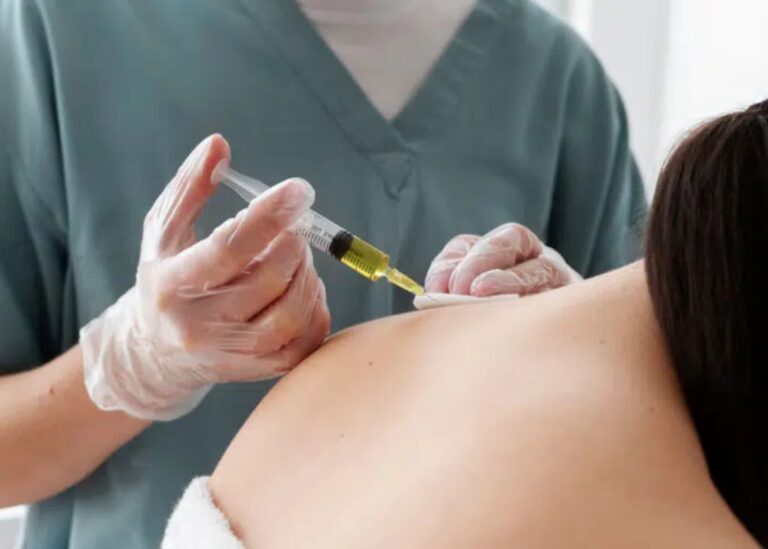
PRP is made from your own blood. A small sample is drawn, processed to concentrate the platelets, and injected into the affected joint. Platelets contain growth factors that may help reduce inflammation and support tissue repair.
A 2025 meta-analysis found that PRP offered clinically relevant pain relief at 3 and 6 months compared to placebo in knee osteoarthritis patients. A 2023 review in Frontiers in Medicine reported similar findings. PRP is a non-surgical joint pain treatment that uses the patient’s own biology, generally reducing the risk of rejection.
Stem Cell Therapy
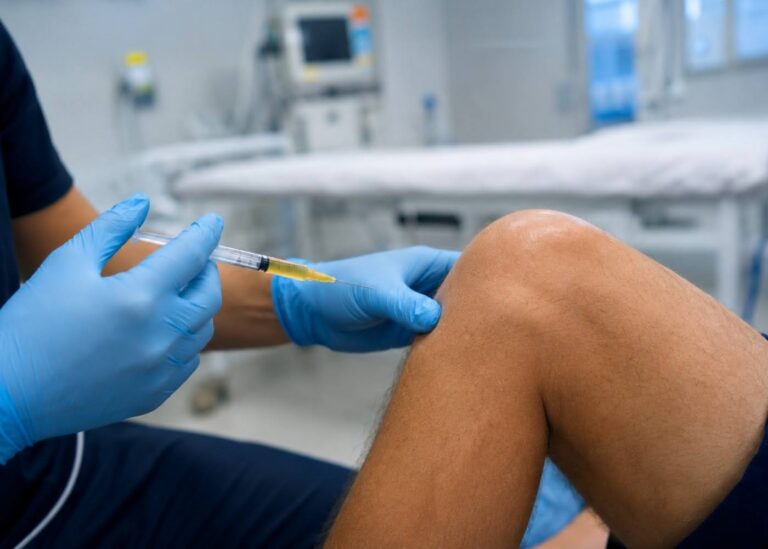
Stem cell therapy uses cells harvested from the patient’s own adipose (fat) tissue and injects them into a damaged joint using ultrasound or fluoroscopic guidance. According to a Cochrane review, stem cells may improve joint function by supporting cartilage repair, secreting growth factors, reducing inflammatory signaling, and stimulating new blood vessel growth around the joint. Active clinical trials continue studying these approaches.
One often-overlooked factor is that stem cells may perform better when the body’s internal environment is optimized. Think of it like planting seeds in soil: when inflammation is managed, hormones are balanced, and nutrition is adequate, the conditions for healing improve. Early evidence has been encouraging for mild to moderate joint degeneration, and individual results may vary based on these factors.
Exosome Therapy
Exosome therapy uses signaling particles that cells naturally release. When introduced into a damaged joint, exosomes may help reduce inflammation and promote healing. Exosome therapy is a growing area of regenerative research.
Shockwave Therapy
Shockwave therapy uses acoustic waves to stimulate blood flow and tissue repair around the joint. Shockwave is entirely external, non-invasive, and may be used alongside other treatments for a combined approach to pain relief for joint pain.
Quick Comparison: Regenerative Treatment Options
| Treatment How It Works Procedure Type Results Timeline | |||
|---|---|---|---|
| PRP Therapy | Concentrates your own platelets and growth factors into the joint | Minimally invasive injection | 4-12 weeks, improving over 3-6 months |
| Stem Cell Therapy | Uses cells from your own fat tissue to support joint repair | Minimally invasive injection | 3-6 months for noticeable changes |
| Exosome Therapy | Delivers signaling particles that may reduce inflammation | Minimally invasive injection | Varies, growing area of research |
| Shockwave Therapy | Uses acoustic waves to stimulate blood flow and repair | Non-invasive, external | Varies by condition |
Who May Benefit from Regenerative Treatments?
Regenerative therapy for pain may be worth exploring if you:
- Have mild to moderate joint damage (not complete cartilage loss) confirmed by imaging
- Have not found lasting relief from medications or cortisone shots
- Want to avoid or delay surgery
- Are looking for a non-surgical joint pain treatment that works with your body’s biology
- Are willing to address systemic health factors like inflammation, hormones, and nutrition that affect healing
Stem cell injections and PRP have been explored for osteoarthritis of the knee, hip, shoulder, or ankle, chronic tendon injuries, cartilage damage, and ligament injuries. Patients researching elbow pain treatments in denver will find the same regenerative options apply to tennis and golfer’s elbow as well. A provider can help determine whether your condition is a fit.
What to Expect During and After Treatment
Regenerative joint treatments are performed in-office without general anesthesia. For PRP, the process typically takes 30 to 60 minutes. For stem cell procedures involving adipose tissue extraction, the total visit may run 1 to 3 hours.
Before the Procedure
A qualified provider, like those at RMRM, reviews your health history, imaging, and lab work first. Useful markers include inflammatory indicators (CRP), hormone levels, metabolic markers, and key nutrients like vitamin D and magnesium, all of which can influence treatment response.
During the Procedure
For stem cell procedures, a typical visit includes:
- Tissue harvest, where adipose tissue is extracted under local anesthesia (45-60 minutes)
- Processing to concentrate stem cells and growth factors (1-2 hours)
- Guided injection into the joint using ultrasound or fluoroscopic imaging (15-45 minutes)
For PRP, the process is simpler: a blood draw, centrifuge processing, and injection, all within about 1-2 hours.
After the Procedure
Aftercare includes limited activity for 48 hours, avoiding strenuous exercise for 2 to 4 weeks, and gentle movement to support healing. Some patients improve within weeks, while others take 2 to 6 months, depending on damage severity and health. Complementary therapies like peptide therapy, hyperbaric oxygen therapy, or shockwave therapy may also be integrated when appropriate.
Conclusion
Chronic joint pain does not have to mean a lifetime of painkillers or an inevitable surgery.
At Rocky Mountain Regenerative Medicine in Boulder, Colorado, the team assesses not just the joint, but the patient’s entire healing capacity, including inflammation, hormone balance, nutrition, and metabolic health. Stem cell therapy, PRP, exosome therapy, shockwave therapy, peptide therapy, and hyperbaric oxygen therapy are offered based on each patient’s needs. RMRM’s Annual Membership Program provides year-round access to therapies and wellness optimization.
Ready to explore a natural approach to treatment for chronic pain? Contact RMRM or book an appointment.
Disclaimer: This blog is for educational purposes only and is not medical advice. Consult a qualified healthcare provider before considering any treatment.