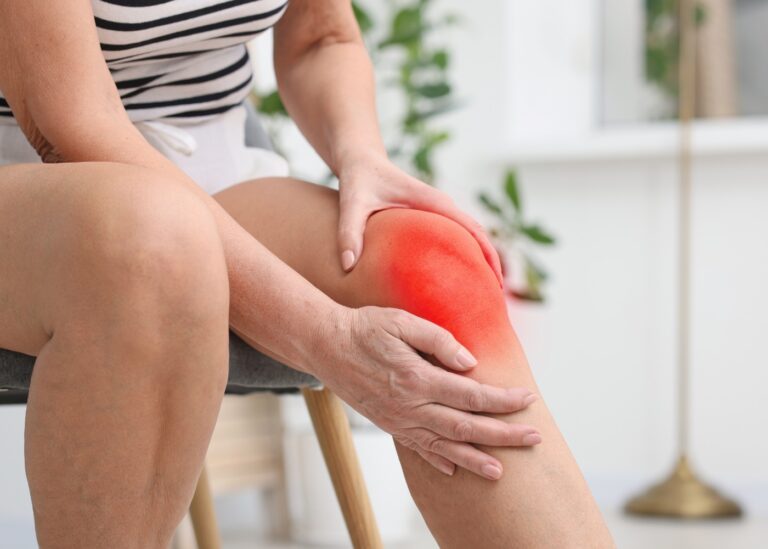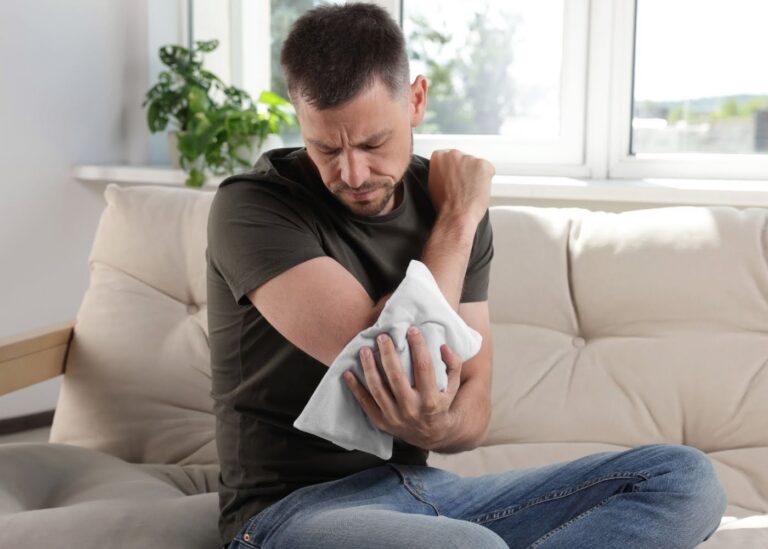

Muscle pain has a way of taking over your day. Whether you strained your back picking something up, pushed too hard at the gym, or woke up stiff for no clear reason, that constant ache can make even simple tasks feel exhausting. And when the soreness lingers, you just want something that helps.
A heating pad is one of the most accessible, affordable tools for finding relief at home. But using one the wrong way could make things worse or even cause a burn. Knowing how heat works, when to apply a heating pad, and when to skip it altogether can make a real difference in how your body recovers. Here is a clear, step-by-step look at everything you need to know.
Why Does Heat Help Sore and Injured Muscles?
Before reaching for a heating pad, understanding why heat may ease muscle pain helps you use one more effectively. The science behind it is fairly straightforward.
How Does Heat Affect Blood Flow and Muscle Tissue?
When muscles tighten or spasm after an injury or hard exercise, blood vessels in the area constrict. Metabolic byproducts can build up in the tissue during intense activity, and reduced blood flow may slow the body’s natural cleanup process. Applying heat to the area causes blood vessels to widen, a process called vasodilation. More blood flows in, carrying oxygen and nutrients while helping flush out waste products. Heat may also ease muscle spasms, improve elasticity in connective tissues, and support the body’s metabolism in the affected area (PubMed, NIH).
Beyond blood flow, heat may play a role in how the brain processes pain signals. A concept known as the “gate theory of pain” suggests that warming a sore area activates non-painful nerve signals. Those signals may compete with and partially override pain messages traveling to the brain, which could reduce how much discomfort you feel.
Can Heat Support Muscle Recovery After Exercise?
Delayed onset muscle soreness (DOMS) is common after intense physical activity, often showing up a day or two after a hard session. The stiffness and tenderness can make it difficult to move comfortably, and that is where heat may help. Applying warmth after a tough workout may help loosen stiff muscles, ease spasms, and improve range of motion during recovery (PMC, NIH). Research also shows that heat pads and wraps are widely used in the rehabilitation of skeletal muscle injuries and in managing chronic pain and stiffness (PMC, NIH).
Step-by-Step: How to Use a Heating Pad Safely
Getting the most out of heat therapy depends on proper use. Following a few simple steps may help you stay safe while easing discomfort.
Step 1: Wait at Least 48 Hours After an Acute Injury
A fresh muscle strain, sprain, or bruise usually involves swelling and inflammation. Heat increases blood flow, which can make swelling worse during the first couple of days. Cold application is generally preferable during the first 48 to 72 hours after an acute injury, especially when inflammation and visible swelling are present (PMC, NIH). An ice pack wrapped in a cloth, applied for 15 to 20 minutes at a time, tends to be the better choice during that early window.
Step 2: Always Place a Barrier Between the Pad and Your Skin
Never place a heating pad directly on bare skin. A thin towel, cloth cover, or the pad’s built-in fabric sleeve creates a protective layer that helps prevent burns. The FDA requires heating pad labeling to include warnings about the risk of serious burns, especially on sensitive skin or areas with poor circulation (FDA.gov).
Step 3: Start on the Lowest Heat Setting
An electric heating pad with adjustable settings gives you the most control. Begin on low and increase gradually if needed. High heat right away raises the risk of skin irritation or burns and is rarely necessary for pain relief.
Step 4: Limit Each Session to 15 to 20 Minutes
Most medical sources suggest keeping heat application between 15 and 20 minutes per session, which aligns with clinical practice where heat modalities are typically applied for 5 to 20 minutes at a time (PMC, NIH). Allow your skin to cool completely between sessions, and wait at least one hour before reapplying.
Step 5: Never Fall Asleep With a Heating Pad On
Falling asleep with a heating pad on is one of the most common ways people end up with burns. Prolonged contact with heat while you are unaware of rising skin temperature can cause serious injury. Look for a pad with an automatic shutoff timer as a safety backup.
What Type of Heating Pad Works Best?
Not every heating pad works the same way. Choosing the right one depends on where you hurt and how you plan to use it.
Are Electric Heating Pads a Good Choice?
An electric heating pad plugs into a wall outlet and provides steady, adjustable heat. Many models include multiple heat levels and automatic shut-off features. A heating pad for back pain is one of the most common uses, since the flat design conforms well to the lower and upper back. Just keep the electric pads away from water, and inspect the cord and cover regularly for wear.
What About Moist Heat Options?
Moist heating pads use water to dampen the surface before use. Physical therapists sometimes use moist heat in clinical settings because warm moisture may penetrate tissue slightly more effectively than dry heat. For home use, a damp towel warmed in the microwave or a warm bath can serve the same purpose. Be careful with temperature, since moist heat sources can reach very high levels quickly.
Are Disposable Heat Wraps a Safer Alternative?
Single-use adhesive heat wraps, available at most drugstores, offer a convenient and lower-risk option. When dealing with a heating pad for muscle cramps in hard-to-reach spots like the neck or shoulder, a wrap that sticks in place and provides consistent warmth for several hours can be easier to manage than a traditional pad.
Here is a quick comparison:
- Electric pads: Adjustable heat, reusable, best for back and larger muscle groups. Require an outlet and careful monitoring.
- Moist heat packs: May penetrate slightly deeper, good for stiffness. Need careful temperature checks.
- Disposable wraps: Convenient, portable, lower burn risk. Less adjustable heat output.
When Should You Avoid Using a Heating Pad?
Heat is not always the right call. Knowing when to skip heat could prevent you from making an injury worse.
What Situations Call for Ice Instead of Heat?
Cold therapy is generally better for:
- Fresh injuries within the first 48 to 72 hours (sprains, strains, bruises)
- Visibly swollen or inflamed areas
- Acute joint pain with redness and warmth
- Immediately after intense exercise, to reduce inflammation
Cold constricts blood vessels, which may help limit swelling and sharp, numbing pain. Heat does the opposite, so applying a heating pad too early after an acute injury could increase inflammation.
Who Should Be Extra Cautious With Heating Pads?
Certain health conditions may make heating pad use riskier. People with the following conditions should consult a healthcare provider before using heat therapy:
- Diabetes or peripheral neuropathy (reduced ability to sense temperature)
- Poor circulation or peripheral vascular disease
- Skin conditions like dermatitis or open wounds
- Deep vein thrombosis
- Cognitive impairments that could delay reaction to burns
Heat vs. Ice: A Quick Reference
Choosing between heat and cold comes down to the type and timing of your pain. Here is a simple breakdown:
- Use heat for: Chronic stiffness, ongoing muscle tension, soreness that lingers for days, pre-workout warm-up, muscle cramps
- Use cold for: New injuries (first 48 to 72 hours), visible swelling, sharp or throbbing pain, post-workout inflammation
- Consider alternating: Some people find relief by switching between 15 to 20 minutes of heat and 15 to 20 minutes of cold, spaced a few hours apart
Conclusion
A heating pad can be a helpful, low-cost way to manage everyday muscle soreness, stiffness, and cramps at home. Safe use comes down to timing, temperature, and knowing when cold therapy may be a better fit.
For persistent or recurring pain that does not improve with home care, a more comprehensive approach may be worth exploring. Rocky Mountain Regenerative Medicine (RMRM) in Boulder, CO, offers advanced options like shockwave therapy, stem cell therapy, peptide therapy, and hyperbaric oxygen therapy that aim to support the body’s natural healing and recovery processes. Through their Annual Membership Program, patients receive personalized, ongoing care tailored to their specific needs.
Ready to explore what options may be right for you? Contact RMRM or book an appointment to get started.
Disclaimer: The information in this blog is for educational purposes only and is not intended as medical advice. Always consult a qualified healthcare professional before starting any new therapy or changing your current care plan.