
Inner knee pain usually results from an injury, cartilage damage, or wear-and-tear conditions like arthritis. When every step reminds you that something is wrong, and activities you used to enjoy now feel like a challenge, the frustration can weigh on you just as much as the pain itself. Knee pain on the inside of the knee joint is one of the most common complaints providers hear, affecting millions of Americans each year.
You deserve to know what is causing your discomfort and what you can do about it. Whether your pain showed up after a weekend hike, a sudden twist during a game, or simply crept in over time with no clear explanation, your experience is valid, and your concerns matter. Most causes of inner knee pain are well understood, and a range of options exist to help you move forward with less pain and more confidence.
Key Takeaways
- Knee pain on the inside of the knee joint often involves ligaments, cartilage, or the surrounding soft tissues.
- Common causes include MCL sprains, meniscus tears, osteoarthritis, and bursitis.
- Symptoms may include swelling, stiffness, tenderness, and difficulty bending or straightening the leg.
- Many cases improve with rest, physical therapy, and conservative care.
- Persistent or worsening pain should be evaluated by a qualified provider.
- Regenerative and advanced therapies may offer additional support for stubborn or chronic cases.
What Is Inner Knee Pain?
The knee is one of the largest and most complex joints in the body, formed where three bones meet: the thighbone (femur), the shinbone (tibia), and the kneecap (patella). A network of ligaments, tendons, and cartilage holds these bones together and allows smooth, stable movement.
Where Does Inner Knee Pain Occur?
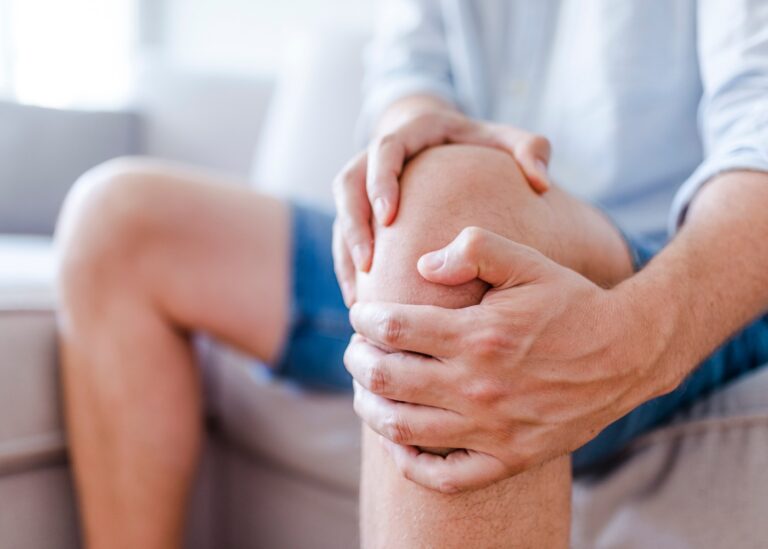
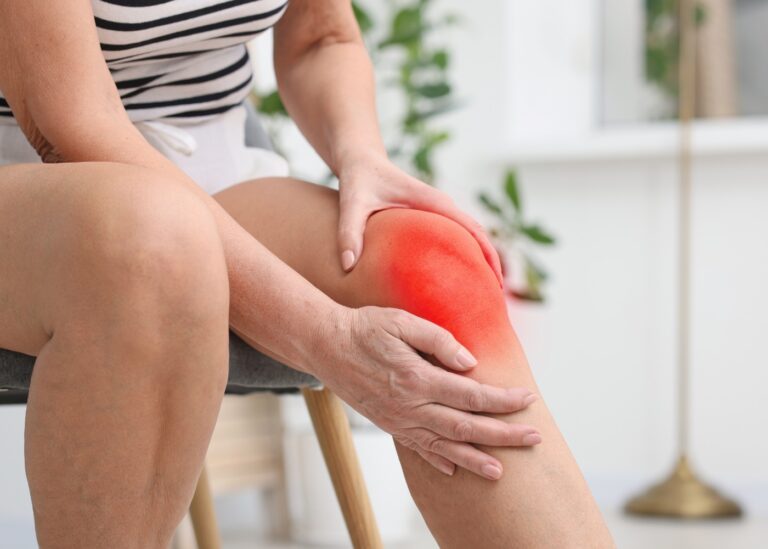
Inner knee pain, also called medial knee pain, refers to discomfort along the inside part of the knee, the side closest to your other leg. Several important structures sit in this area, including the medial collateral ligament (MCL), the medial meniscus, and the pes anserine bursa. Because so many different tissues overlap in a small space, pinpointing the exact source of your pain usually requires a careful evaluation.
Who Gets Inner Knee Pain?
Knee pain on the inside of the knee can develop at any age. Athletes who play contact sports or activities that involve cutting and pivoting face a higher risk for acute injuries, while older adults may develop medial knee pain from gradual cartilage wear. Even everyday activities like gardening, kneeling, or walking on uneven ground can sometimes trigger symptoms.
Common Causes of Inner Knee Pain
Several conditions can lead to pain on the inner side of the knee, and each one involves a different structure within the joint.
What Is an MCL Injury?
The medial collateral ligament (MCL) runs along the inside of the knee and helps keep the joint stable. An MCL sprain or tear usually happens when a force pushes the knee inward, often from a direct blow to the outside of the knee or a sudden twisting motion. According to the American Academy of Orthopaedic Surgeons, MCL tears account for up to 43 to 52 percent of all knee injuries, making them one of the most common ligament injuries.
Signs of an MCL injury may include:
- Pain and tenderness along the inner knee
- Swelling within the first 24 to 48 hours
- A feeling of looseness or instability when walking
What Is a Meniscus Tear?
The medial meniscus is a C-shaped piece of cartilage that sits between the thighbone and shinbone, acting as a shock absorber during movement. A tear can happen from a sudden twist or pivot, or it can develop slowly over time as the cartilage wears down. The AAOS notes that meniscus tears are among the most common knee injuries, especially in athletes and older adults. Common signs include:
- A popping sensation at the time of injury
- Swelling that develops over a day or two
- A catching or locking feeling when bending the knee
How Does Osteoarthritis Affect the Inner Knee?
Osteoarthritis (OA) is a degenerative condition in which the cartilage that cushions the joint gradually breaks down. The CDC reports that OA affects over 32.5 million adults in the United States, and the knee is one of the most commonly affected joints. When OA develops in the medial compartment of the knee, you may feel stiffness, aching, and increased discomfort after periods of inactivity or extended use.
Risk factors that may contribute to knee OA include:
- Older age
- Previous knee injuries
- Excess body weight
- Family history of arthritis
What Is Pes Anserine Bursitis?
A bursa is a small, fluid-filled sac that reduces friction between bones, tendons, and muscles. The pes anserine bursa sits on the inner side of the knee, just below the joint line, and can become inflamed from overuse, repetitive motions, or tight hamstrings. The AAOS describes pes anserine bursitis as a common source of inner knee discomfort, especially in runners and individuals with OA.
Can Overuse Lead to Inner Knee Pain?
Repetitive stress from running, cycling, or frequent stair climbing can irritate the medial knee structures over time. Muscle imbalances, poor alignment, and worn-out footwear may also contribute, and these injuries tend to respond well to rest and corrective exercises.
What Is Medial Plica Syndrome?
A less well-known but fairly common cause of inner knee discomfort involves the plica, a thin band of tissue lining the inside of the knee joint capsule. When the plica becomes irritated from repetitive bending or a direct injury, it can thicken and rub against the bone, causing aching or tenderness. A provider may be able to feel a small, tender nodule on the inside of the joint during an exam.
Can Rheumatoid Arthritis Cause Inner Knee Pain?
Rheumatoid arthritis (RA) is an autoimmune condition in which the body’s immune system mistakenly attacks the lining of the joints. Unlike osteoarthritis, which tends to wear down cartilage in one area, RA usually causes inflammation throughout the entire knee joint. RA and OA are the two most common types of arthritis in the United States. Morning stiffness that lasts longer than 30 minutes and gradually improves throughout the day is a hallmark pattern often associated with RA.
Symptoms to Watch For
Inner knee pain can feel different depending on the underlying cause. Some people notice a sharp, stabbing sensation during movement, while others describe a dull ache that lingers throughout the day.
Common symptoms associated with inner knee problems include:
- Localized pain or tenderness along the inside of the knee
- Swelling or puffiness around the joint
- Stiffness, especially in the morning or after sitting
- A feeling of weakness or instability
- Difficulty fully bending or straightening the leg
- Clicking, popping, or catching sensations
Inner knee pain often flares up during certain activities. Walking on flat ground may feel manageable, but climbing stairs or squatting can sharpen the discomfort because these movements place extra load on the medial compartment. Some individuals also report worsening pain at night, which may be linked to inflammation settling in the joint after a long day.
Pain that eases as the day goes on may point to an inflammatory condition, while discomfort that worsens with activity and improves with rest could suggest a structural issue like a meniscus tear or ligament strain.
How Is Inner Knee Pain Diagnosed?
Getting an accurate diagnosis matters because so many different structures can contribute to pain in this area. A provider will typically start by asking about your symptoms, activity level, and any recent injuries.
What Happens During the Physical Exam?
During the exam, the provider will check for swelling, tenderness, and range of motion. Specific hands-on tests can help identify whether the MCL, meniscus, or other structures are involved, and a gait assessment may reveal alignment issues that contribute to your pain.
What Imaging May Be Needed?
Depending on the findings, imaging may be recommended. X-rays can reveal bone changes or signs of arthritis, while an MRI provides a detailed look at soft tissues like ligaments, cartilage, and the meniscus.
Approaches to Managing Inner Knee Pain
The right approach depends on the cause, the severity of your symptoms, and your overall health goals.
What Conservative Options Are Available?
For mild to moderate cases, a combination of the following strategies may help:
- Rest and activity changes: Avoiding movements that trigger pain gives the tissues time to heal.
- Ice application: Applying a cold pack for 15 to 20 minutes several times a day can help reduce swelling.
- Over-the-counter pain relief: Anti-inflammatory medications like ibuprofen may ease discomfort and reduce inflammation.
- Physical therapy: A physical therapist can design a program to strengthen the muscles around the knee, improve flexibility, and correct movement patterns.
- Supportive bracing: A knee brace or sleeve can provide stability and take pressure off the affected area.
What Simple Exercises May Help Support the Knee?
Alongside rest and physical therapy, a few gentle exercises may help strengthen the muscles around the inner knee. Always check with a provider before starting any new routine, especially if your pain is acute.
- Standing quad stretch: Stand near a wall for balance, bend one knee behind you, and gently pull your heel toward your glute. Hold for 10 to 15 seconds per side.
- Seated hamstring stretch: Sit on the edge of a chair, extend one leg straight out with toes pointed up, and lean slightly forward from the hips until you feel a gentle stretch. Hold for 10 to 15 seconds per side.
- Half squats: Stand with feet shoulder-width apart and bend your knees slightly, just enough to engage the front of the thighs. Hold for five seconds, then slowly straighten. Repeat 8 to 10 times.
Low-impact activities like swimming or using a stationary bike can also keep you moving while minimizing stress on the joint.
What Advanced and Regenerative Options Exist?
When conservative care alone does not bring enough relief, additional approaches may be worth exploring. Shockwave therapy uses acoustic waves to stimulate blood flow and support the body’s natural repair processes around the joint. Platelet-rich plasma (PRP) concentrates growth factors from your own blood and may help promote healing in damaged tissues, while exosome therapy delivers cellular messengers that could support tissue recovery and reduce inflammation. Peptide therapy uses targeted amino acid chains that may help regulate inflammation and support repair at the cellular level.
For individuals dealing with hormonal factors that affect joint health, hormone optimization could play a supporting role, and hyperbaric oxygen therapy may enhance cellular oxygenation as part of a broader recovery plan.
When Is Surgery Considered?
Surgery is generally reserved for cases where conservative and regenerative approaches have not provided adequate relief. Depending on the condition, options may include arthroscopic repair, ligament reconstruction, or knee replacement. A qualified orthopedic specialist can help determine whether surgery is the right path for you.
How Can You Help Prevent Inner Knee Pain?
While not every knee problem can be avoided, there are steps you can take to lower your risk.
- Strengthen the quadriceps and hamstrings through regular exercise.
- Warm up before physical activity and cool down afterward.
- Wear supportive shoes appropriate for your activity.
- Maintain a healthy body weight to reduce stress on the joints.
- Pay attention to form during exercise and avoid sudden jumps in intensity.
- Stretch regularly to keep the hips, thighs, and calves flexible.
Conclusion
Inner knee pain can range from a minor annoyance to a condition that disrupts your daily life. Understanding the possible causes, recognizing the symptoms early, and working with a knowledgeable provider can make a real difference in your recovery.
Rocky Mountain Regenerative Medicine takes a personalized, whole-body approach to joint pain. Rather than relying on a single solution, the team evaluates each patient’s unique situation and develops a care plan that may include regenerative therapies, diagnostics, and ongoing support through the Annual Membership Program. If inner knee discomfort is holding you back, contact the team or book an appointment to explore your options.
Disclaimer: The information provided in this article is for educational purposes only and is not a substitute for professional medical advice, diagnosis, or care. Always consult with a qualified healthcare provider before starting any new approach for knee pain or other health concerns.
Sources
- American Academy of Orthopaedic Surgeons (AAOS). “Common Knee Injuries.” OrthoInfo. https://orthoinfo.aaos.org/en/diseases–conditions/common-knee-injuries/
- American Academy of Orthopaedic Surgeons (AAOS). “Meniscus Tears.” OrthoInfo. https://orthoinfo.aaos.org/en/diseases–conditions/meniscus-tears/
- American Academy of Orthopaedic Surgeons (AAOS). “Collateral Ligament Injuries.” OrthoInfo. https://orthoinfo.aaos.org/en/diseases–conditions/collateral-ligament-injuries/
- American Academy of Orthopaedic Surgeons (AAOS). “Pes Anserine (Knee Tendon) Bursitis.” OrthoInfo. https://orthoinfo.aaos.org/en/diseases–conditions/pes-anserine-knee-tendon-bursitis/
- Centers for Disease Control and Prevention (CDC). “Osteoarthritis.” https://www.cdc.gov/arthritis/osteoarthritis/index.html
- Centers for Disease Control and Prevention (CDC). “Arthritis Risk Factors.” https://www.cdc.gov/arthritis/risk-factors/index.html