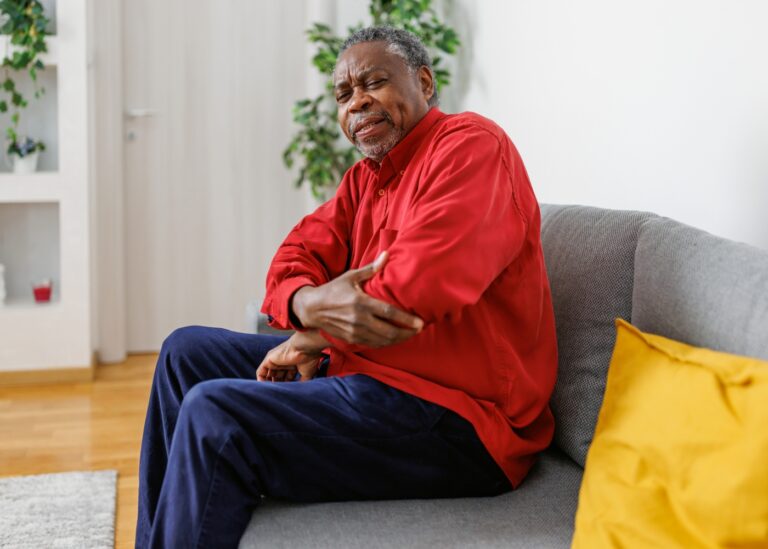

Waking up stiff, pushing through an aching back at work, or feeling soreness that just will not go away, muscle pain has a way of quietly taking over your day. You are not alone. According to the NIH, musculoskeletal conditions are the most common causes of chronic pain, affecting an estimated 50 million American adults. Whether the discomfort comes from a tough workout, hours at a desk, or something you cannot pinpoint, the frustration is real.
The good news is that stretching may help. Gentle muscle stretches done consistently could reduce tension, improve flexibility, and support recovery. Here is a guide to the best stretches for generalized muscle pain and why they may work.
Key Takeaways
- Generalized muscle pain can come from overuse, stress, poor posture, or underlying health conditions.
- Regular stretching may help reduce muscle tension, improve blood flow, and support flexibility.
- The ACSM recommends stretching major muscle groups at least 2 to 3 days per week, holding each stretch for 10 to 30 seconds.
- Always stretch gently. Pain during a stretch is a signal to stop.
- Persistent or severe muscle pain should be evaluated by a healthcare professional.
Why Does Generalized Muscle Pain Happen?
Before jumping into specific stretches, it helps to understand what might be behind your discomfort. Common factors include:
- Overuse and exercise soreness. When muscles work harder than usual, small-scale stress to the fibers can cause soreness. Delayed Onset Muscle Soreness (DOMS) typically peaks 24 to 72 hours after intense or unfamiliar physical activity.
- Prolonged sitting or poor posture. Sitting at a desk for long periods can cause muscles in the neck, shoulders, hips, and lower back to shorten and tighten. Research published in PubMed Central confirms that prolonged sitting is a key factor behind hamstring tightness, which may affect posture and mobility.
- Stress and tension. Psychological stress may increase muscle tension throughout the body. Stress hormones like cortisol and adrenaline can promote tightness and may contribute to soreness.
- Underlying health conditions. Fibromyalgia, hypothyroidism, or autoimmune disorders can present with widespread muscle pain. A clinical trial in PubMed Central found that stretching exercises reduced pain intensity in fibromyalgia patients. Persistent or unexplained pain should always be evaluated by a provider.
How Stretching May Help With Muscle Pain
Stretching is one of the simplest approaches to managing muscle discomfort. According to a review in PubMed Central, regular stretching may support pain relief in a few key ways:
- Reducing muscle tension. When you hold a gentle stretch, sensory receptors send signals to the nervous system that may decrease over-stimulation and reduce stiffness.
- Improving blood flow. Stretching may increase circulation, delivering more oxygen and nutrients to tired or sore tissue.
- Supporting flexibility and range of motion. The ACSM recommends flexibility exercises for all major muscle groups at least 2 to 3 times per week, holding each stretch for 10 to 30 seconds (or up to 60 seconds for older adults).
8 Best Stretches for Generalized Muscle Pain
The stretches below target major muscle groups commonly affected by generalized pain. Each one can be done at home with no equipment. Hold every stretch for 15 to 30 seconds and repeat 2 to 3 times per side.
Performing stretching exercises for muscle cramps and general soreness regularly may help you feel better within a few weeks of consistent practice.
Stretch 1: Knee-to-Chest Stretch
Targets: Lower back, glutes
A tight lower back is one of the most common sources of generalized discomfort. Nearly 65 million Americans report a recent episode of back pain, according to Georgetown University’s Health Policy Institute.
How to do it:
- Lie on your back with knees bent and feet flat on the floor.
- Pull one knee toward your chest with both hands.
- Keep your spine pressed against the floor.
- Hold for 15 to 30 seconds, then switch legs.
- Repeat 2 to 3 times on each side.
Stretch 2: Seated Forward Fold
Targets: Hamstrings, calves, lower back
Tight hamstrings may contribute to lower back pain and stiffness. A seated forward fold addresses the entire back of the body in one movement.
How to do it:
- Sit on the floor with legs straight in front of you.
- Reach toward your toes with both hands, bending at the hips.
- Stop when you feel a comfortable stretch along the back of your legs and spine.
- Hold for 15 to 30 seconds and repeat 2 to 3 times.
Stretch 3: Side-Lying Quad Stretch
Targets: Quadriceps, hip flexors
Hip flexors and quads often tighten from sitting. Loosening them may help reduce discomfort in the hips and knees.
How to do it:
- Lie on your right side with your bottom arm supporting your head.
- Bend your left leg behind you and grab your ankle.
- Gently pull your heel toward your glutes until you feel a stretch along the front of your thigh.
- Hold for 15 to 30 seconds, then switch sides.
- Repeat 2 to 3 times per side.
Stretch 4: Cat-Cow Stretch
Targets: Spine, abdominals, back muscles
Cat-Cow is a gentle dynamic stretch that may help loosen stiffness throughout the spine. Physical therapists frequently include this movement in back pain management programs, and it appears in multiple exercise trials on ClinicalTrials.gov.
How to do it:
- Start on all fours with hands under shoulders and knees under hips.
- Arch your back upward (like a cat), tucking your chin toward your chest.
- Drop your belly toward the floor while lifting your head and tailbone (cow position).
- Move slowly between the two positions for 30 to 60 seconds.
- Repeat 2 to 3 times.
Stretch 5: Neck Side Stretch
Targets: Trapezius, side neck muscles
Neck tension is common, especially for people who spend long hours at a computer. A gentle neck stretch may help address tightness that could radiate into the shoulders.
How to do it:
- Sit or stand tall with shoulders relaxed.
- Tilt your head toward your right shoulder until you feel a gentle stretch on the left side of your neck.
- Place your right hand lightly on the left side of your head for a mild increase. Do not pull.
- Hold for 15 to 30 seconds, then switch sides.
- Repeat 2 to 3 times per side.
Stretch 6: Supine Twist
Targets: Obliques, glutes, lower back
A supine twist may help ease tension through the torso and hips. Light exercise for sore muscles, including gentle twists, may help relax tight areas without adding stress to fatigued tissue.
How to do it:
- Lie on your back with arms spread to the sides, palms down.
- Bend both knees with feet flat on the floor.
- Lower both knees to the right side while keeping your shoulders flat.
- Hold for 15 to 30 seconds, then repeat on the left side.
- Repeat 2 to 3 times per side.
Stretch 7: Chest and Shoulder Wall Stretch
Targets: Chest, front shoulder, biceps
Rounded shoulders from desk work or phone use may create tension in the chest and shoulders. Opening up the chest could help improve posture and reduce upper-body discomfort.
How to do it:
- Stand next to a wall at arm’s length.
- Place your right palm flat on the wall at shoulder height.
- Slowly turn your body to the left until you feel a stretch across your chest and shoulder.
- Hold for 15 to 30 seconds, then switch sides.
- Repeat 2 to 3 times per side.
Stretch 8: Cobra Stretch
Targets: Abdominals, hip flexors
The cobra stretch gently opens up the front of the body and may counteract the effects of prolonged sitting.
How to do it:
- Lie face down with your hands positioned just in front of your shoulders.
- Push down through your hands to raise your head and chest off the floor.
- Stop when you feel a gentle stretch through your abdomen.
- Hold for 15 to 30 seconds, then lower slowly.
- Repeat 2 to 3 times.
Tips for Getting the Most Out of Your Stretching Routine
A few guidelines can help you stretch safely and see better results:
- Warm up first. Muscles respond better to stretching when warm. A 5-minute walk before stretching for pain relief may make a noticeable difference.
- Do not bounce. Static, steady holds are safer and more effective than bouncing.
- Stretch to mild tension, not pain. A comfortable pull is normal. Sharp or stabbing sensations mean you should stop.
- Be consistent. The ACSM recommends stretching at least 2 to 3 days per week. Daily stretching may deliver better results.
- Breathe normally. Holding your breath may increase tension. Steady breathing could help muscles relax into the stretch.
When to See a Professional
Stretching at home is a helpful starting point, but some situations call for professional guidance. See a healthcare provider if pain persists for more than a few weeks, wakes you up at night, comes with swelling or redness, follows an injury, or affects daily activities without a clear cause.
Conclusion
Generalized muscle pain does not have to be something you just live with. Simple, consistent stretching may help reduce tension, improve flexibility, and support recovery from everyday stress.
Rocky Mountain Regenerative Medicine in Boulder, CO, takes a comprehensive approach to musculoskeletal health. RMRM offers advanced therapies, including shockwave therapy, stem cell therapy, and peptide therapy, alongside personalized care plans designed to address the root causes of pain. Whether your discomfort comes from an active lifestyle or a chronic condition, the team at RMRM can help you build a path toward lasting relief.
Ready to take the next step? Contact RMRM or book an appointment to start your personalized care plan.
Disclaimer: The information in this article is for educational purposes only and is not intended as medical advice. Always consult with a qualified healthcare professional before beginning any new exercise or stretching routine.