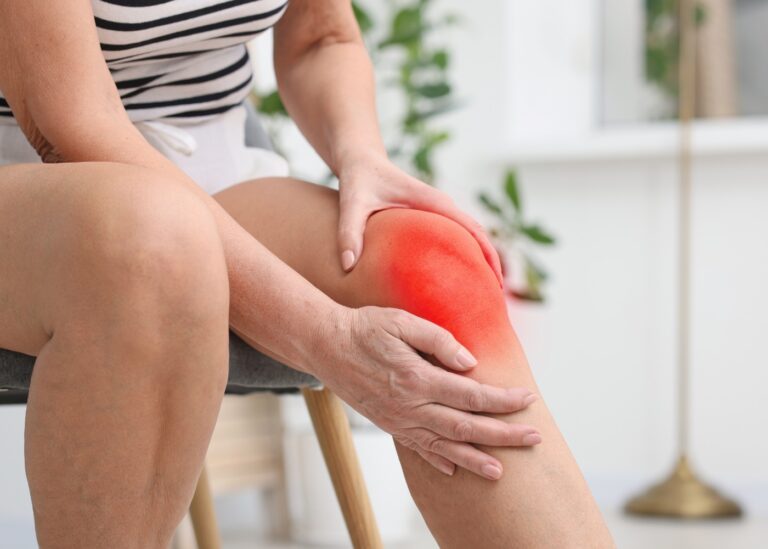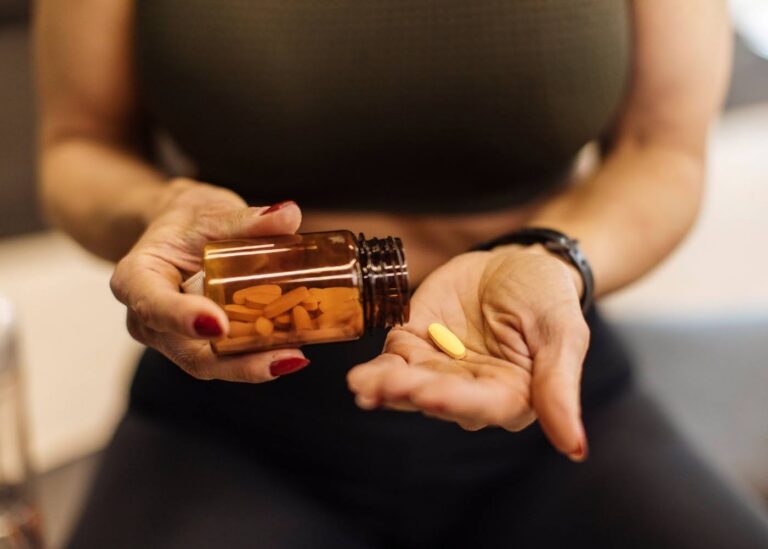

You might be feeling more tired than you used to, noticing your energy drop off in the afternoon, or wondering why your mood and motivation just do not feel the way they did a few years ago. If any of that sounds familiar, you are not alone, and you are not imagining it. Hormonal shifts happen naturally with age, and they can quietly change how you feel day to day.
When you start looking for answers, a DHEA supplement may be one of the first things that comes up. The promises sound appealing: more energy, better mood, and slower aging. And when you are already dealing with changes that feel frustrating or even overwhelming, those promises can be hard to ignore.
But before reaching for a bottle, you deserve honest, clear information about what DHEA actually does, what the evidence supports, and where the risks are. Here is a straightforward look at what we know.
Key Takeaways
- DHEA is a hormone your body makes naturally, and levels decline steadily after your mid-20s
- A dietary supplement DHEA product may offer modest support in a few specific areas, but evidence for most anti-aging claims remains limited
- Side effects can range from mild (acne, stomach upset) to serious (hormone-related complications)
- DHEA supplements are not closely regulated for quality or consistency
- Always talk to a qualified healthcare provider before starting any hormonal supplement
What Is DHEA and Why Does Your Body Make It?
Before looking at supplements, understanding the hormone itself is helpful. DHEA plays a specific role in your body’s hormone system, and knowing that role sets the stage for understanding what a supplement can and cannot do.
What does DHEA do in the body?
DHEA is a hormone produced mainly by your adrenal glands, two small glands that sit just above your kidneys. Smaller amounts are also produced by the ovaries, testes, and brain. According to the National Institutes of Health (NIH), DHEA acts as a precursor, meaning your body uses it to make other hormones, including testosterone and estrogen.
DHEA levels tend to peak in your 20s and then gradually decline with age. According to MedlinePlus (U.S. National Library of Medicine), DHEA levels normally decline with age in both men and women, and there is no reliable evidence that taking DHEA supplements prevents aging-related conditions.
Why do people take DHEA supplements?
Because DHEA levels drop as you get older, some people believe that restoring those levels through supplements could slow or reverse age-related changes. Common reasons people try DHEA supplements include:
- Hoping to boost energy or improve mood
- Wanting to build muscle or reduce body fat
- Looking for improvements in sexual function
- Seeking general anti-aging support
The challenge is that wanting a benefit and having solid evidence for that benefit are two very different things.
What Does the Research Say About DHEA Benefits?
A lot of marketing surrounds DHEA, but the actual research tells a more nuanced story. Some potential DHEA benefits have limited evidence behind them, while others have almost none. Here is a closer look at what credible sources have found.
Could DHEA help with body composition?
Some research suggests that DHEA supplementation may modestly affect body composition. One meta-analysis found that DHEA could lead to a small increase in lean body mass and a small decrease in body fat in older men. However, whether these changes lead to meaningful improvements in physical strength or performance is unclear. Most large reviews indicate that DHEA supplementation does not produce noticeable strength gains for most adults.
Could DHEA support skin health as you age?
Skin is one of the few areas where DHEA has shown some limited, early promise. A small number of studies suggest that DHEA, both taken orally and applied topically, may support skin hydration and collagen production while potentially slowing age-related thinning of the skin. However, these findings come from small studies, and larger trials are still needed to confirm whether DHEA offers meaningful skin benefits over time.
Does DHEA improve mood or help with depression?
Preliminary evidence suggests that DHEA may have a mild positive effect on symptoms of depression, but the quality of that evidence is considered low. A 2020 systematic review and meta-analysis of randomized controlled trials reported that DHEA supplementation was associated with improvement in depressive symptoms compared to placebo. However, the included studies had small sample sizes, varied diagnoses, and inconsistent results. DHEA is not recommended as a primary approach for depression.
What about menopause symptoms?
According to the National Center for Complementary and Integrative Health (NCCIH), a division of the NIH, scientists have found little evidence that DHEA supplements help with hot flashes or other common menopause complaints. Guidelines from multiple professional medical societies recommend against the routine use of DHEA for menopause.
One exception is vaginal atrophy, which refers to the thinning of vaginal tissue. Prescription vaginal inserts containing DHEA could help reduce discomfort during intimacy for some postmenopausal women. However, over-the-counter oral DHEA supplements have not shown the same consistent results for vaginal symptoms.
Are there DHEA advantages for sexual function?
DHEA is sometimes marketed as a way to improve sexual health, especially for people experiencing low sex drive. Some studies have found minor improvements in sexual desire and arousal, while others have found no effect at all. More research is needed before drawing firm conclusions about any DHEA advantages for sexual function.
Does DHEA slow aging?
Perhaps the biggest claim attached to DHEA is that it can slow the aging process. Despite marketing promises, evidence for the anti-aging effects of DHEA is lacking. According to the NCCIH, the long-term safety of taking DHEA supplements is unknown, and DHEA supplementation has not been shown to reliably improve cognitive function, bone strength, muscle strength, or physical performance in older adults.
What Are the Side Effects and Risks of DHEA?
Safety matters just as much as effectiveness. DHEA is a hormone, and taking hormones carries real risks. Here is what you should know.
What side effects are common?
At doses up to 50 milligrams per day, DHEA has been used in studies for up to two years without reports of severe side effects. Mild side effects may include:
- Acne or oily skin
- Stomach upset
- Changes in mood, including irritability
- Increased hair growth in some areas
At higher doses, women may notice changes like a deeper voice or facial hair, while men may experience breast tissue growth.
Who should avoid DHEA?
Certain groups should not take DHEA. According to multiple medical sources, DHEA should be avoided by anyone who:
- Is pregnant or breastfeeding
- Has liver problems
- Has polycystic ovary syndrome (PCOS)
- Has a history of hormone-sensitive conditions, including breast cancer, ovarian cancer, or endometrial cancer
What are the more serious concerns?
Higher doses or longer-term use of DHEA may raise the risk of more significant problems. Because DHEA is converted into sex hormones in the body, the NCCIH has raised safety concerns, noting that DHEA’s conversion to hormones carries known risks. Potential serious concerns include:
- Worsening of hormone-sensitive cancers
- Interference with insulin and blood sugar management in people with diabetes
- Possible reduction of protective HDL (“good”) cholesterol
- Mood instability in people with existing mood disorders
- Interactions with medications, including blood thinners, hormone therapies, certain cancer drugs, and antidepressants
Is supplement quality a concern?
Supplement quality is a real concern. DHEA supplements are not closely regulated for quality. Some products have been found to contain ingredients not listed on the label, including prescription medications. The actual DHEA content can also vary from what the label states. Third-party tested products may offer more consistency, but no single regulatory body oversees every product on store shelves.
Should You Talk to a Doctor Before Taking DHEA?
Because DHEA is a hormonal supplement and not simply a vitamin or mineral, its effects on your body are more complex and potentially more significant. Speaking with a healthcare provider before starting DHEA is always the right move.
Why is professional guidance important?
A provider can help determine whether your DHEA levels are actually low through a simple blood test. Low levels alone do not automatically mean supplementation is the right choice. A provider can also check for conditions that might make DHEA risky, review your current medications for interactions, and recommend a dose that fits your individual health picture.
Conclusion
DHEA is a naturally occurring hormone that declines with age, and the idea of restoring youthful levels is understandable. However, the evidence for most marketed claims remains limited. Some modest potential exists in areas like body composition, skin health, and mood support, but the risks, especially for people with hormone-sensitive conditions, are real.
A personalized, data-driven approach to hormone health is the safest path forward. Rocky Mountain Regenerative Medicine offers comprehensive diagnostic testing and individualized care plans that address hormonal balance as part of a broader longevity strategy. Rather than guessing with over-the-counter supplements, work with a qualified provider who can evaluate your unique needs.
Ready to take a closer look at your hormone health? Contact RMRM or book an appointment to get started.
Note: The content in this blog is for educational and informational purposes only. Always consult before making decisions about your health or starting any new supplement.