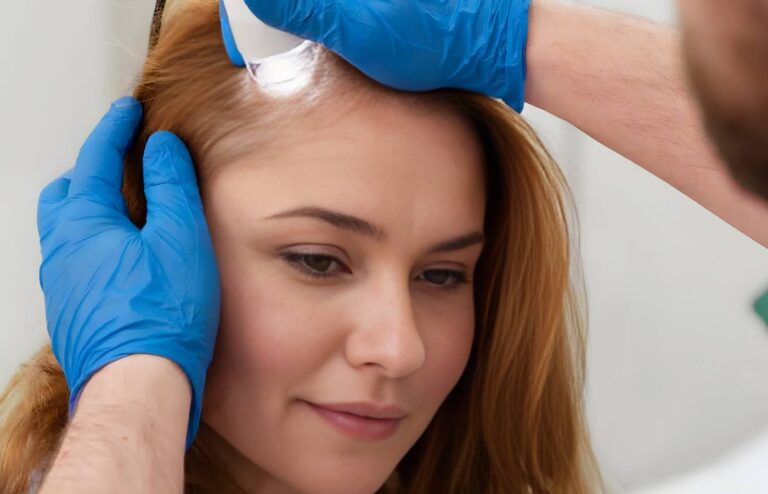
Stem cells take regeneration a step further. These cells are harvested from your own body, usually from fat tissue or bone marrow. They’re processed and then injected into areas experiencing hair loss.
Stem cells help restore hair in multiple ways:
- Regenerate damaged or dead hair follicles, bringing them back to life
- Increase hair density by stimulating multiple follicles at once
- Repair scalp tissue, creating a healthier environment for growth
Think of them as cellular repair workers that target the root cause rather than just treating surface symptoms.
Many patients see improvement within three months, with continued thickness and density gains over six months. Like PRP, some prefer periodic treatments to optimize results. Learn more about how stem cell therapy works at the cellular level.
Combining PRP and Stem Cells for Better Results
Using both therapies creates a synergistic effect. PRP’s growth factors and nutrients amplify what stem cells do at the cellular level, offering faster activation of dormant follicles, greater overall hair density improvement, and more sustained results between treatments. For patients with significant hair loss or limited results from single therapy, combining both approaches is worth discussing with a specialist.
What Makes These Treatments Different from Surgery
Traditional hair transplants move hair from one area of your scalp to another. They work, but they’re invasive and require recovery time.
PRP and stem cell therapy work differently. Instead of moving existing hair, they reactivate hair that’s already there but dormant. They use your body’s natural growth systems rather than surgical repositioning.
This means:
- No surgical incisions or visible scars
- Minimal downtime, typically same-day return to normal activities
- Natural-looking results since they stimulate your existing follicles
- Potential to treat larger areas than transplants cover
Stem cell and PRP hair restoration address the underlying problem, not just the appearance.
Who Benefits Most from These Treatments
These therapies work best for early-to-moderate hair loss. The healthier your remaining hair follicles, the better these treatments work. People with completely bald areas where follicles have died may see limited benefit. Ideal candidates have early to moderate baldness or thinning, want to avoid surgery, have a generally healthy scalp, are willing to wait 3-6 months for results, and can commit to a treatment series and potential maintenance. If you’re concerned about whether you’re a good fit, a consultation can assess your specific situation.
The Recovery and Timeline You Can Expect
There’s no surgery, no extensive recovery, and no lifestyle interruption. After your procedure, expect mild soreness at injection sites for a day or two, possible light swelling or bruising (uncommon), the ability to shower and wash hair the next day, and no restrictions on exercise or normal activity.
The first three months show hair texture improvement and reduced shedding. Real density changes typically appear between months three and six as follicles regenerate. Many people use seasonal or annual maintenance treatments to sustain results, much like professional athletes approach recovery optimization.
Why Natural Hair Regrowth Beats Other Options
Using your own cells means there’s virtually no risk of allergic reaction or rejection. Your body recognizes the cells and platelets as self, so it accepts them naturally.
This biocompatibility makes these treatments safer than many alternatives:
- No foreign synthetic materials
- No prescription medications needed (unless you choose them)
- No long-term side effects from injected substances
- Works with your body’s healing system, not against it
Plus, because results come from stimulating your own hair follicles, the hair that grows is genuinely yours, texturally and genetically identical to your existing hair.
When to Start Treatment and Realistic Expectations
The best time to address hair loss is when you first notice it. Earlier treatment typically means better results because follicles haven’t been dormant as long. Even moderate hair loss may respond well to these therapies, so starting sooner rather than later gives you more advantages.
Realistic expectations matter. These treatments may stop continued hair loss, increase hair thickness and density, improve overall scalp health, reduce the appearance of thinning, and gradually restore fuller, healthier hair. They may not completely restore hair to how it was years ago, and they may not work equally well for everyone. A specialist can assess your specific situation and provide honest expectations about what these therapies might achieve for you.
How RMRM Helps You Restore Hair Growth
At Rocky Mountain Regenerative Medicine in Boulder, we see hair loss as a regenerative problem, not just a cosmetic one. We understand sustainable hair restoration requires addressing the underlying biology, the health of your hair follicles themselves. Using stem cell therapy and PRP hair restoration, we help reactivate your body’s natural growth systems.
Our approach starts with a comprehensive consultation to understand your hair loss pattern, scalp health, and goals. We assess what’s driving your hair loss and determine whether PRP, stem cell therapy, or both is right for you. Many people think hair loss is inevitable, but your follicles may just need the right biological conditions to wake up and regenerate.
Most patients benefit from a series of 3-4 treatments spaced 4-6 weeks apart for optimal results. Following this initial series, many patients maintain improvements with periodic treatments every 6-12 months. The procedure is performed in our office under local anesthesia, typically takes 1-3 hours, and patients return to normal activities the same day.
For patients interested in comprehensive wellness beyond hair restoration, we also offer complementary therapies like peptide therapy and exosome therapy that support overall regeneration and vitality.
Contact us or book an appointment to learn whether stem cell therapy or PRP is right for your situation. We’ll create a personalized plan based on your specific needs.