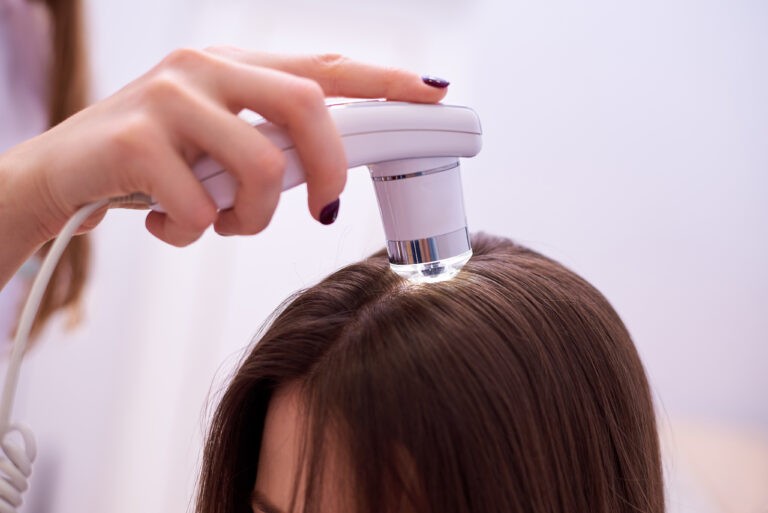

Hair Loss is a Symptom. We Treat the Cause.
Hair restoration is a personalized, diagnostic-driven approach to identifying and addressing the underlying causes of hair loss rather than managing the visible symptom alone. At Rocky Mountain Regenerative Medicine, hair restoration therapy combines advanced lab testing with regenerative therapies like PRP, stem cell therapy, HBOT, microneedling, and nutritional support to help promote regrowth from the inside out.
Hair Loss Is a Symptom. We Address the Cause.

Losing hair can affect far more than your appearance. Confidence, self-image, and everyday comfort often shift alongside thinning strands or a receding hairline, and the emotional weight can be just as significant as the physical change. For both men and women, hair loss may begin at any age and progress gradually enough that the underlying cause goes unrecognized for years.
What many people do not realize is that hair loss is rarely a standalone issue. Hormonal imbalances, chronic inflammation, nutritional deficiencies, elevated stress, and underlying health conditions can all contribute to thinning, shedding, or slow regrowth. Addressing only the visible symptom without investigating the root cause tends to produce limited, short-lived results, which is why a diagnostic-first approach could make a meaningful difference.
What Causes Hair Loss?
Hair growth depends on a delicate balance of hormones, nutrients, circulation, and cellular health. When one or more of these systems falls out of alignment, the hair growth cycle can slow, stall, or reverse. Some of the most common contributors include hormonal imbalances, chronic inflammation, elevated stress, nutritional deficiencies, and underlying chronic health conditions. Even thyroid dysfunction or estrogen fluctuations during menopause can play a role, which is why a thorough diagnostic workup is essential before pursuing any hair restoration protocol.
Our evaluation begins with a thorough scalp examination and advanced diagnostic lab testing, which includes hormone panels, inflammatory markers, chronic disease screening, and nutritional assessments. Pinpointing the exact drivers of your hair loss allows our team to build a strategy that goes well beyond surface-level approaches.
Hair Restoration Therapies We Offer
Our Multimodal Therapeutic
Approach May Include:
Orthopedic

Health Concerns
Hormone Imbalance
Neurological Dysfunction
Labs
Comprehensive Labs and Metabolic Analysis
Specialty Lab Testing
Imaging & Biometrics
- In house Digital Xray & Ultrasound
- In-house EKG Analysis
- Whole Body & Orthopedic MRI
- Echocardiogram
- VO2 Max with lactate analysis
- Coronary Angiography with CLEERLY Analysis
- Body Composition Analysis
- Bone Density Scan
-
 Book an appointment
Exosome Therapy
Exosome therapy uses powerful cellular messengers derived from stem cells that help stimulate healing and tissue repair. These microscopic particles carry growth factors and proteins that support regeneration and reduce inflammation. The therapy is often used to enhance recovery, improve joint health, and support overall regenerative therapies.
-
 Book an appointment
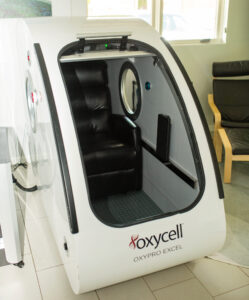
Hyperbaric Oxygen Therapy (HBOT)
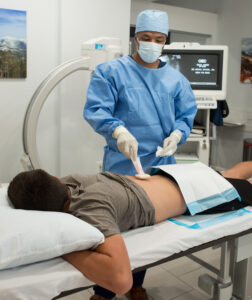
Hyperbaric Oxygen Therapy involves breathing pure oxygen in a pressurized chamber to increase oxygen delivery throughout the body. This process helps support cellular repair, improve circulation, and accelerate healing. HBOT is commonly used to aid recovery from injuries, reduce inflammation, and support overall wellness.
-
 Book an appointment
Stem Cell Therapy
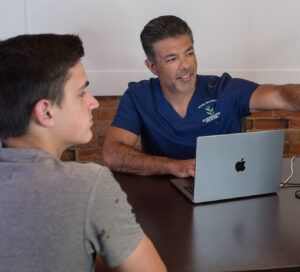
Stem cell therapy uses regenerative cells to support the body’s natural healing process. These cells help repair damaged tissues, reduce inflammation, and promote recovery in joints, muscles, and other areas of the body. It is commonly used for orthopedic injuries, chronic pain, and degenerative conditions to improve function and mobility.
-
 Book an appointment
Health Optimization Membership
The health optimization membership program provides patients with ongoing access to personalized health strategies, advanced diagnostics, and regenerative therapies. This program focuses on long-term wellness, performance, and longevity. Members receive comprehensive care designed to help them live healthier and perform at their best.
-
 Book an appointment
Vitamin Injections
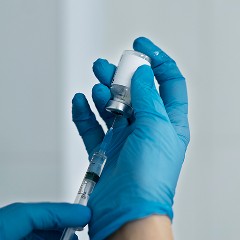
Vitamin injections provide concentrated nutrients directly into the body to help address deficiencies and support optimal health. These injections can improve energy levels, metabolism, and immune function. They are often used as part of personalized wellness and preventive care plans.
-
 Book an appointment
Platelet Rich Plasma (PRP)
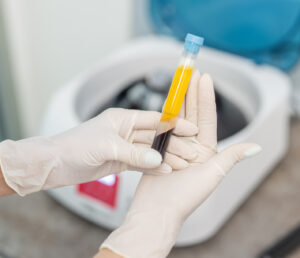
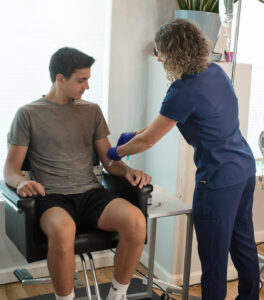
Platelet Rich Plasma therapy uses a concentrated portion of a patient’s own blood that contains healing growth factors. When injected into injured or painful areas, PRP helps stimulate tissue repair and reduce inflammation. It is widely used for joint pain, tendon injuries, and musculoskeletal conditions.
-
 Book an appointment
Peptide Therapy
Peptide therapy uses specific chains of amino acids that help regulate important biological processes in the body. These peptides can support recovery, improve hormone balance, enhance metabolism, and promote tissue repair. Therapy plans are customized to help optimize health, performance, and longevity.
-
 Book an appointment
Shockwave Therapy
Shockwave therapy uses acoustic waves to stimulate blood flow and activate the body’s natural healing response. It is a non-invasive therapy often used for chronic pain, tendon injuries, and musculoskeletal conditions. The therapy may help reduce inflammation, promote tissue repair, and improve mobility.
-
 Book an appointment
Hormone Therapy
Hormone therapy helps restore balance to key hormones that may decline with age or medical conditions. Therapy may help address symptoms such as fatigue, weight gain, low libido, and mood changes. Personalized hormone therapy plans are designed to support overall health, vitality, and long-term wellness.
-
 Book an appointment
IV Infusions
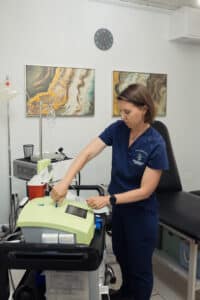
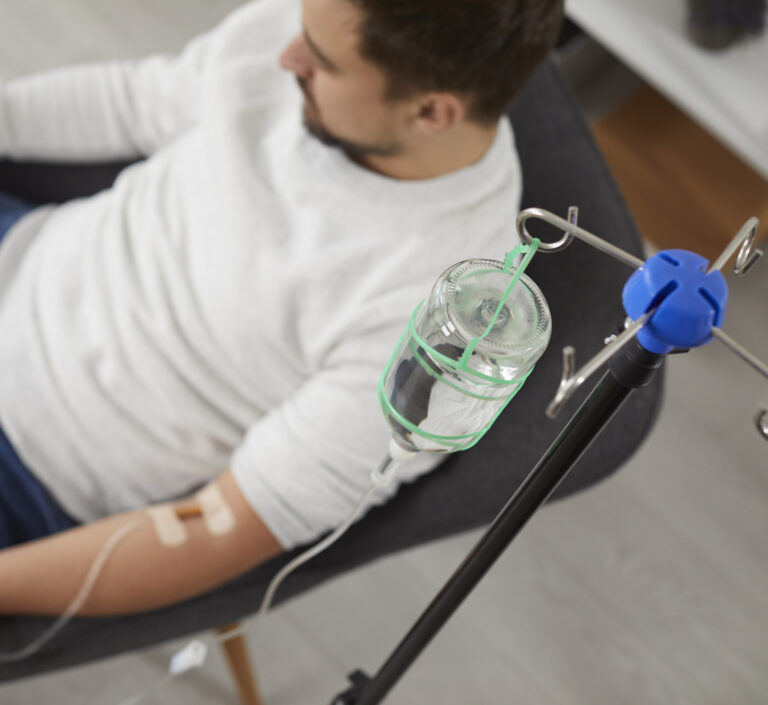
IV infusion therapy delivers vitamins, minerals, and nutrients directly into the bloodstream for rapid absorption. This allows the body to receive essential nutrients more efficiently than oral supplements. IV infusions are commonly used to support energy levels, hydration, immune health, and overall wellness.
-
 Book an appointment
High Dose Ozone Therapy
High-dose ozone therapy uses medical-grade ozone combined with oxygen to support the body’s healing and immune response. The therapy helps improve oxygen utilization, circulation, and cellular function. It is often used to support recovery, detoxification, and overall health optimization.
-
 Book an appointment
Hair Restoration
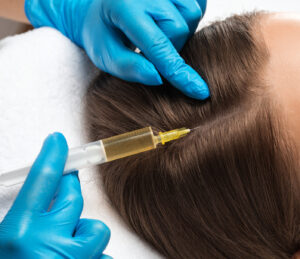
Hair restoration therapies are designed to stimulate hair follicles and support natural hair growth. These therapies may include regenerative approaches that help improve scalp health and circulation. Hair restoration may help address thinning hair and promote fuller, healthier hair over time.
Because hair loss is often multifactorial, the most effective path forward typically combines several complementary therapies. Our providers tailor each protocol to your diagnostic results, matching the right combination of approaches to your specific pattern and underlying causes. RMRM also offers microneedling with DE|RIVE®MD, a clinically tested, hormone-free system formulated with plant-derived growth factors and botanicals that may help nourish the scalp and support healthier hair growth.
How Does PRP Help with Hair Restoration?
Platelet-rich plasma is concentrated from your own blood and contains growth factors and healing molecules carried in the plasma that may stimulate dormant follicles and encourage new growth. PRP hair restoration is one of the most widely studied regenerative options for thinning hair, and because the procedure uses your body’s own biology, compatibility concerns are minimal. PRP is often included as part of a broader protocol alongside other regenerative therapies in your plan.
How Does Stem Cell Therapy Support Hair Regrowth?
Stem cell therapy harnesses regenerative cells to support the body’s natural healing process. When applied as part of a hair restoration protocol, these cells may help repair damaged tissues, reduce inflammation, and promote recovery in the scalp environment. Stem cell therapy hair restoration is particularly relevant for patients whose hair loss involves chronic inflammatory patterns or tissue-level changes, and it can serve as a complement to PRP or other regenerative approaches within your plan.
What Role Does Hyperbaric Oxygen Therapy Play?
Hyperbaric oxygen therapy increases oxygen delivery throughout the body by having you breathe pure oxygen in a pressurized chamber. Enhanced oxygenation may support cellular repair, improve circulation, and accelerate healing, which could benefit the scalp environment when combined with other regenerative therapies in your protocol.
How Do Microneedling and Red Light Therapy Contribute?
Microneedling creates controlled micro-channels in the scalp, which may stimulate the body’s wound-healing response and enhance absorption of topical growth factors. Red light therapy works at the cellular level, where specific wavelengths of light could promote circulation and support follicular health. Both approaches are commonly included alongside PRP and stem cell protocols as part of a comprehensive, multimodal plan.
How Do Nutrition, Hormones, and Medications Factor In?
When lab work reveals deficiencies or imbalances contributing to hair loss, targeted oral supplements, hormone optimization, or medications may be incorporated into your plan. Correcting the internal environment is often essential for sustaining the gains achieved through regenerative therapies, because without addressing the underlying imbalance, regrowth may stall over time. Supportive options like IV infusion therapy and peptide therapy can further support cellular health and nutrient delivery from within.
What Are the Benefits of a Multimodal Approach?
A single-therapy approach to hair loss may offer some improvement, but combining diagnostics with multiple regenerative and supportive therapies tends to produce more meaningful, longer-lasting outcomes. Because RMRM’s approach addresses the underlying causes of hair loss rather than the visible symptom alone, improvements are more likely to be sustained as the internal environment is corrected and maintained over time.
Rather than guessing which individual option might help, a multimodal protocol allows your providers to target hair loss from several angles simultaneously. Regenerative therapies like PRP and stem cells may work on tissue repair and inflammation, while nutritional and hormonal support helps correct the systemic imbalances that may have triggered the loss in the first place. Because every protocol is grounded in your lab data, results are tracked over time and adjustments are made as your body responds.
Is Hair Restoration Right for You?
Hair restoration treatment outcomes vary depending on the cause, duration, and severity of hair loss. A candid initial consultation with our team helps determine whether a regenerative approach aligns with your specific situation. During that conversation, we review your health history, assess your scalp, and outline which combination of therapies could offer the most realistic path forward.
Whether you are just beginning to notice changes or have been experiencing hair loss for years, a diagnostic-first approach could reveal opportunities that previous efforts may have overlooked. Hair restoration Boulder patients benefit from RMRM’s combination of advanced regenerative therapies and personalized diagnostics tailored to the root cause of hair loss.
How long before results become noticeable?
Results vary by individual and depend on the underlying cause, the therapies selected, and how consistently the protocol is followed. Hair growth cycles are gradual by nature, so meaningful changes may take several months to become visible. Ongoing lab monitoring allows your provider to track progress and adjust your plan as needed.
Frequently Asked Questions
Q. Who is a good candidate for hair restoration treatments?
Q. How many hair restoration treatments will I need to see results?
Q. Is PRP hair restoration painful?
Q. How long does it take to see results from non-surgical hair restoration?
Q. Are there any side effects or downtime after a hair restoration treatment?
Q. What are the best hair restoration products to use alongside my treatments?
Q. How long do the results of non-surgical hair restoration last?
Q. Can hair restoration treatments be combined with prescription medications?
Other Therapies


Take the First Step Towards a Better You
Connect with us today to start your journey to living, looking, and performing better, longer.