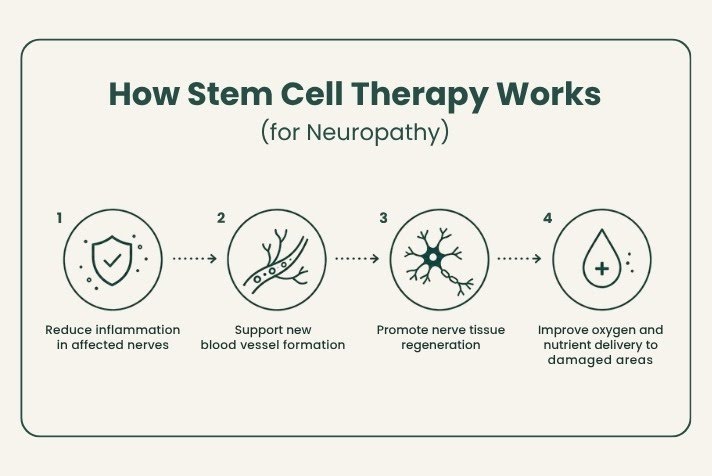
While diabetic neuropathy is among the most common forms of nerve damage, stem cell therapy has also shown encouraging results across other neuropathy conditions, further supporting its potential as a regenerative approach to nerve repair.
In POEMS syndrome, a rare condition that causes progressive nerve damage throughout the body, autologous stem cell transplantation has produced particularly striking outcomes. In one study of 60 patients followed for a median of five years, nearly all demonstrated neurologic improvement. Before therapy, close to half of these patients required a wheelchair, and nearly a third relied on a walker or foot brace. By their final follow-up, no patient was wheelchair-dependent, and nerve conduction studies confirmed substantial measurable improvements in nerve function. In a separate study, three patients who were initially unable to walk regained the ability to do so within six months of therapy.
Similarly, patients with chronic inflammatory demyelinating polyneuropathy (CIDP), an autoimmune condition that damages nerve insulation, have experienced impressive long-term benefits. In a study of 60 CIDP patients who had been dependent on immunoglobulin infusions or plasmapheresis, 78–83% maintained medication-free remission for up to five years after stem cell therapy. The percentage of patients able to walk without assistance rose from 33% before therapy to over 80% afterward, and hand grip strength nearly doubled over five years.
These results across different neuropathy types point to a shared principle: when the body’s regenerative capacity is supported with the right cellular tools, meaningful nerve repair is possible, even in conditions previously considered difficult to treat.
Why This Matters
Unlike drugs that work temporarily, regenerative therapy attempts to support the body’s natural healing mechanisms. The healing may persist because it addresses tissue-level damage. This is why regenerative medicine represents a different paradigm from symptom management alone.
A Personalized Approach to Your Care
How the Therapy Process Works
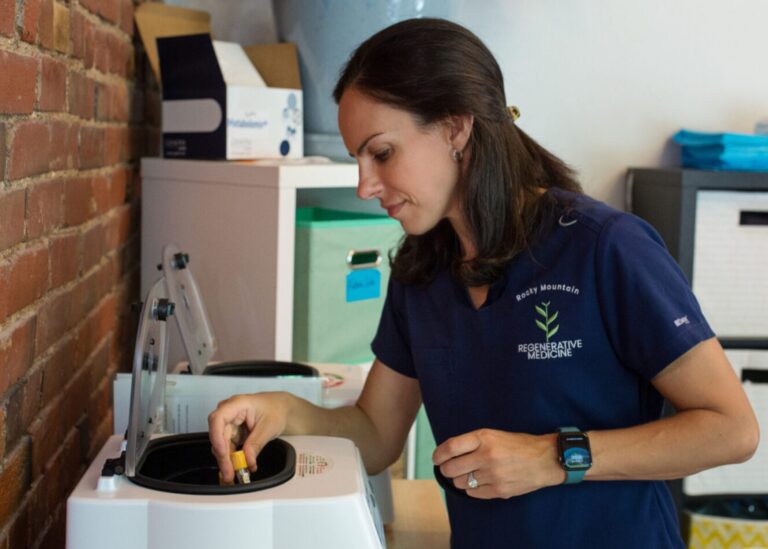
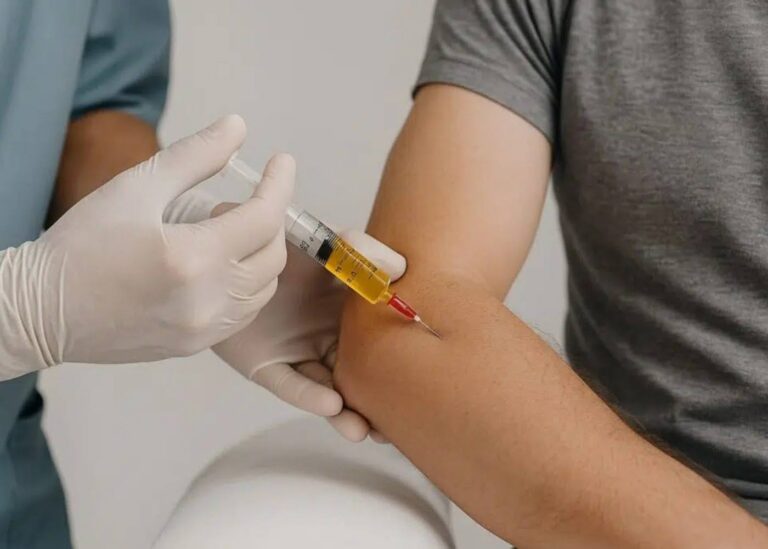
At Rocky Mountain Regenerative Medicine, stem cell therapy for neuropathy involves:
Initial Assessment: A detailed evaluation of your symptoms, medical history, and specific nerve involvement. We consider how stem cell therapy may integrate with your overall health picture.
Customized Protocol: Therapy designed for your particular pattern of neuropathy and overall health.
Ongoing Monitoring: Follow-up appointments to track your progress and adjust if needed.
Complementary Support: When appropriate, other therapies may support healing. Exosome therapy can enhance regenerative outcomes, while peptide therapy may support nerve health and metabolic function.
Why Personalization Matters
Diabetic neuropathy presents differently in each person. Factors like disease duration, severity, blood sugar control, and other health conditions all influence how you might respond to therapy. A one-size-fits-all approach misses these critical details. This is why we take time to understand your individual situation before recommending any intervention.
Combining Therapies for Better Outcomes
Stem Cells Plus Additional Support
While stem cell therapy addresses the root problem, complementary therapy can enhance results. Understand how stem cells work and how other therapies amplify their benefits:
Hyperbaric Oxygen Therapy: HBOT increases oxygen delivery to tissues, reducing inflammation and supporting healing. Learn more about what hyperbaric oxygen therapy is used for and the benefits of HBOT. Many neuropathy patients find that combining these therapies accelerates their recovery.
Exosome Therapy: Exosomes represent the next frontier in regenerative medicine, offering powerful regenerative signaling that complements stem cell therapy.
Peptide Therapy: Specific peptides may support nerve regeneration, metabolic health, and overall healing potential.
Lifestyle Optimization: Blood sugar management, nutrition, and physical activity work alongside therapy to support long-term results.
This integrated approach recognizes that neuropathy is a whole-body problem requiring more than a single intervention. Like comparing stem cell therapy to other knee pain solutions, the most effective neuropathy therapy is one that addresses multiple healing pathways simultaneously.
Next Steps: Getting Real Relief
Diabetic neuropathy doesn’t have to control your life. If burning feet, numbness, or tingling have kept you from activities you enjoy, regenerative medicine offers a path beyond symptom management.
Rocky Mountain Regenerative Medicine provides personalized stem cell therapy designed specifically for people with diabetic neuropathy in Boulder and the surrounding area. Our care team combines advanced regenerative therapy with careful monitoring to support real healing. We also integrate complementary therapies like exosome therapy, hyperbaric oxygen therapy, and peptide therapy when appropriate to maximize your healing potential.
Whether you’re exploring how stem cell therapy works for the first time or you’re ready to start therapy, our team is here to guide you. Many patients find that joining our annual membership program gives them ongoing access to personalized care and regenerative options as they work toward long-term health.
Ready to explore whether stem cell therapy is right for you?
Contact us for a consultation or book an appointment to discuss your options.
RMRM’s approach puts your healing first, not just your symptoms.