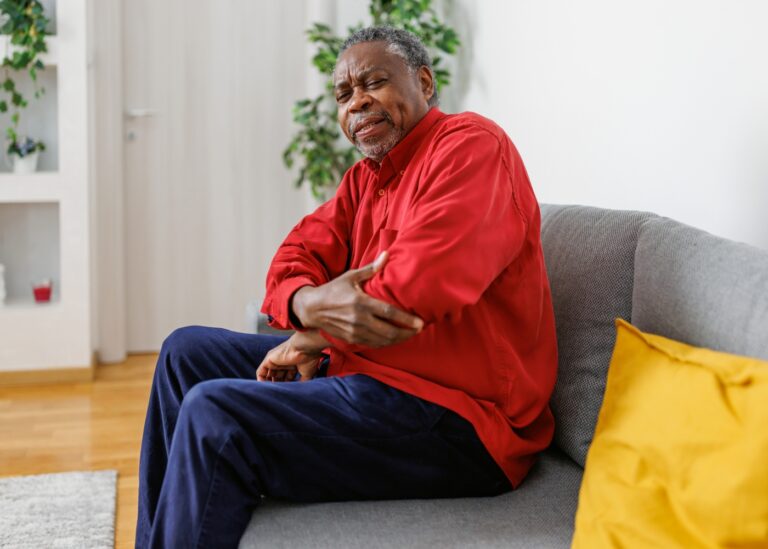

When something as simple as lifting a coffee cup or shaking someone’s hand sends a sharp, burning pain through your elbow, you know how quickly the frustration builds. Everyday tasks that used to feel effortless suddenly feel impossible, and the discomfort can wear on you physically and emotionally. If that sounds familiar, you are not alone, and you do not have to figure this out by yourself.
The good news is that most people recover fully with the right approach. According to the American Academy of Orthopaedic Surgeons (AAOS), roughly 80% to 95% of people with tennis elbow improve without surgery (AAOS OrthoInfo). Understanding your options is the first step toward choosing the right tennis elbow treatment and getting back to the life you enjoy.
Key Takeaways
- Tennis elbow is caused by repeated motions that damage forearm tendons, not just playing tennis.
- Rest, ice, heat, and eccentric strengthening exercises resolve most cases without surgery.
- Injection-based and regenerative options may help when conservative care falls short.
- Surgery is a last resort, typically considered only after 6 to 12 months of other approaches.
What Is Tennis Elbow and Why Does Your Elbow Hurt?
Before jumping into solutions, understanding what is actually happening inside your elbow can help you make smarter choices about care.
What Causes Tennis Elbow?
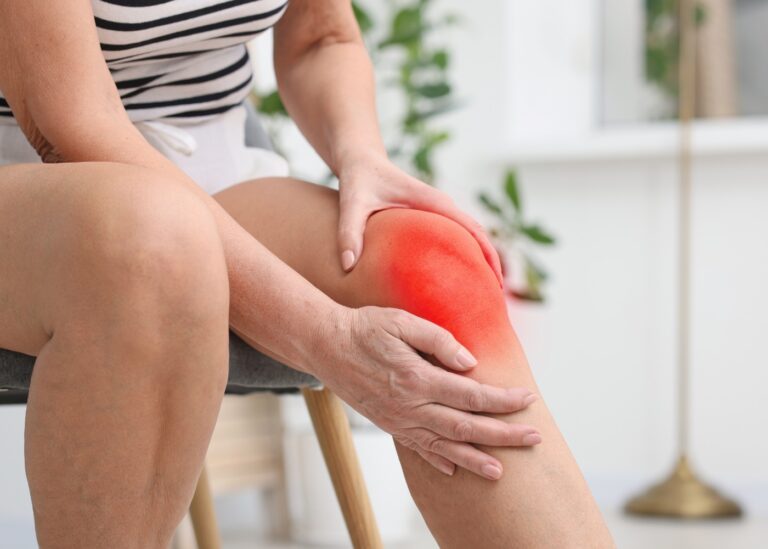
Tennis elbow, medically called lateral epicondylitis, happens when the tendons connecting your forearm muscles to the bony bump on the outside of your elbow become damaged. The tendon most commonly involved is the extensor carpi radialis brevis (ECRB), which helps stabilize your wrist when your elbow is straight (AAOS OrthoInfo).
Repeated motions like gripping, twisting, or lifting cause tiny tears in the tendon over time. Despite the name, most people who develop tennis elbow do not play tennis. Painters, plumbers, cooks, auto workers, and anyone who uses repetitive arm movements may develop the condition (NIH StatPearls).
What Does Tennis Elbow Feel Like?
Symptoms tend to build gradually over weeks or months rather than appearing all at once. You may notice:
- Pain or a burning feeling on the outside of your elbow
- Weak grip strength, especially when holding objects
- Increased pain when shaking hands, turning a doorknob, or gripping tools
Most people affected are between the ages of 30 and 50, though anyone with the right risk factors can develop the condition (AAOS OrthoInfo).
Home and Conservative Approaches
For many people, learning how to treat tennis elbow starts at home. Conservative steps are the first line of care and tend to work well for most cases.
Does Rest Actually Help Tennis Elbow?
Healing begins with reducing the strain on your injured tendon. You may not need to stop all activity, but adjusting how you perform tasks can help. Switching hands, taking frequent breaks, and avoiding heavy gripping may all make a difference.
How Can Ice, Heat, and Medication Help?
Applying ice to the outside of your elbow for 15 to 20 minutes a few times per day may help reduce discomfort, especially early on. Once inflammation calms down, a warm compress or heating pad may improve blood flow and relax tight forearm muscles. Over-the-counter anti-inflammatory medications like ibuprofen or naproxen can also help manage pain when used for the short term.
Are Braces and Forearm Straps Worth Using?
A counterforce brace worn just below the elbow can change how forces travel through the tendon and may ease symptoms. Braces work best when combined with other approaches rather than used alone.
Physical Therapy and Exercise
Structured exercises may be one of the most effective ways to address elbow soreness treatment over the long term. A physical therapist can design a program tailored to your specific situation and pain level.
What Exercises Help Tennis Elbow?
Strengthening the forearm and elbow muscles may help protect the injured tendon and reduce the chance of recurrence. Eccentric exercises, which involve slowly lowering a weight while the muscle lengthens, are especially well-studied for tennis elbow recovery (PMC).
A typical strengthening plan may include:
- Wrist extensions and curls with a light dumbbell
- Gradual increases in weight and repetitions as pain decreases
- Exercises done with the elbow, both bent and straight to target different muscle areas
Can Stretching and Manual Therapy Reduce Elbow Pain?
Gentle stretching of the wrist flexor and extensor muscles may help reduce tightness. Holding each stretch for 30 to 60 seconds a few times daily is a common recommendation. Physical therapists may also use massage or joint mobilization to improve movement.
Ergonomic and Lifestyle Adjustments
Small changes to your workspace or daily habits can reduce stress on your elbow and lower the chance of a flare-up.
What Workplace Changes Can Help?
Simple adjustments often go a long way. Consider:
- Using ergonomic tools with cushioned grips
- Adjusting your desk height or keyboard position
- Lifting with both hands instead of one when possible
For racquet sport players, having equipment checked for proper fit may also help. Stiffer racquets and looser string tension can reduce forearm strain (AAOS OrthoInfo).
How Can You Prevent Tennis Elbow from Coming Back?
Once symptoms improve, a few habits can help keep the problem from coming back. Maintaining forearm strength through regular exercises, warming up before physical activity, and using proper form during repetitive tasks all play a role. Taking short breaks during gripping or twisting motions can also reduce the risk.
Medical and Injection-Based Options
When conservative measures do not bring enough relief after several weeks, medical interventions may be worth considering.
Do Corticosteroid Injections Work for Tennis Elbow?
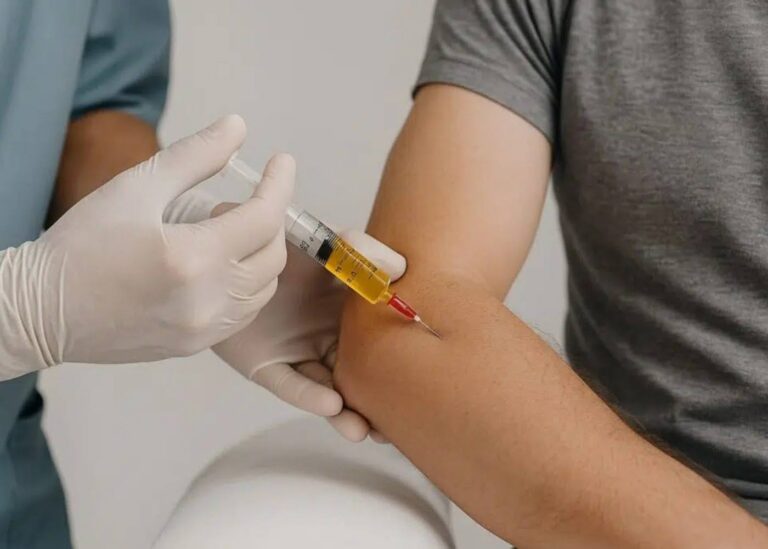
Steroid injections deliver anti-inflammatory medication directly to the painful area. While they may provide short-term relief, repeated use can weaken the tendon over time, so most providers limit how often they are given (NIH NCBI Bookshelf).
What Is Platelet-Rich Plasma (PRP) Therapy?
PRP involves drawing a small amount of your blood, concentrating the platelets, and injecting them into the affected area. Platelets contain growth factors that may support healing. Research on PRP for tennis elbow is mixed, with some studies showing promise and others finding limited benefit (AAOS OrthoInfo).
How Does Shockwave Therapy Help Elbow Pain?
Extracorporeal shockwave therapy sends acoustic waves to the elbow to stimulate healing. Some providers consider shockwave therapy a useful elbow pain therapy option for chronic cases that have not responded to other methods, and the procedure avoids the risks of injections or surgery.
Regenerative Medicine Approaches
For people looking beyond conventional options, regenerative medicine offers newer approaches that aim to support tissue repair rather than just manage symptoms.
How Does Stem Cell Therapy Apply to Tendon Injuries?
Stem cell therapy uses cells with regenerative potential to support tissue healing. When applied to tendon injuries, the goal is to encourage natural repair rather than simply masking pain. Stem cell therapy is still under investigation for many tendon conditions, and outcomes may vary.
What Are Exosome and Peptide Therapy?
Exosome therapy delivers growth-factor-rich molecules to damaged tissue, aiming to create a better environment for the body to heal. Certain peptides may also support tissue repair and reduce inflammation, and are sometimes used alongside other regenerative approaches.
When Surgery May Be Needed
Surgery is generally a last resort, and most providers recommend trying conservative and medical options for at least 6 to 12 months before going down that path.
What Does Tennis Elbow Surgery Involve?
Most surgical procedures involve removing the damaged section of tendon and reattaching healthy tissue to the bone. Both open surgery and arthroscopic (minimally invasive) approaches are available. Tennis elbow surgery is considered successful in 80% to 90% of cases, though a slight loss of strength afterward is not uncommon (AAOS OrthoInfo).
Recovery usually involves a splint for about one week, followed by gradual stretching and strengthening. Return to full activity may take 4 to 6 months.
Conclusion
Tennis elbow can be frustrating, but most people recover with the right combination of rest, exercise, and targeted care.
Rocky Mountain Regenerative Medicine takes a personalized approach to elbow pain and tendon injuries. With access to shockwave therapy, PRP and stem cell therapy, peptide therapy, and hyperbaric oxygen therapy, the team works with you to build a plan based on your biology and goals. An Annual Membership provides ongoing support. Contact RMRM or book an appointment to schedule your evaluation.
Note: The content in this article is for educational and informational purposes only and is not intended as medical advice. Consult with a qualified healthcare professional before starting any new treatment.