
Living with chronic pain, a nagging injury, or a condition that just will not improve can wear you down. You have probably tried multiple approaches already, maybe medications, physical therapy, rest, or cortisone injections, and yet here you are, still searching for something that actually works. That frustration is real, and you deserve a path forward that addresses what is actually going on in your body rather than just masking the discomfort.
Platelet-rich plasma (PRP) may be worth exploring. PRP is a regenerative procedure that uses your own blood to support tissue repair and reduce inflammation. A small blood sample is drawn, spun in a centrifuge to concentrate the platelets, and then injected into the affected area. Platelets contain growth factors, which are proteins that may help your body heal damaged tissue (NIH – PubMed).
PRP has grown in popularity across orthopedics, sports medicine, dermatology, and hair restoration. But not every clinic delivers the same quality of care. The equipment, technique, and provider experience can all influence outcomes. Choosing the right clinic matters just as much as choosing the right procedure.
If you are searching for platelet-rich plasma therapy near me, here are seven things to evaluate before you book.
Key Takeaways
- PRP quality varies widely between clinics based on equipment, preparation method, and provider experience.
- Always confirm your provider is board-certified and trained in regenerative medicine.
- Clinics that use ultrasound or X-ray guidance during injections tend to deliver more precise placement.
- PRP costs in the United States generally range from $500 to $2,500 per injection, and most insurance plans do not cover the procedure.
- Meaningful improvement typically appears around four to eight weeks, with full results developing over three to six months.
How to Choose the Right PRP Provider
Picking a PRP clinic can feel overwhelming. The quality of preparation, injection technique, and follow-up care can vary widely between providers. Here are seven things to look for.
Step 1: Check the Provider’s Credentials and Experience
PRP is a medical procedure. The person performing your injections should be a licensed physician, physician assistant, or nurse practitioner with training in regenerative medicine. Board certification in sports medicine, orthopedics, or emergency medicine is a strong indicator of clinical competence.
Ask the provider:
- How many PRP procedures have they performed?
- What conditions do they most commonly use PRP for?
- Are they trained in regenerative or orthobiologic medicine?
- Will the same physician evaluate and treat you, or will you see different providers at each visit?
Consistency matters. A provider who performs PRP regularly and personally manages each case is more likely to deliver reliable results.
Step 2: Ask About the PRP Preparation Method
Not all PRP is the same. The concentration of platelets, the inclusion or exclusion of white blood cells, and the centrifuge type can all change the final product. According to a review in Cureus, variability in PRP preparation makes it difficult to compare outcomes across clinics (NIH – PMC).
Key questions to ask:
- Do they use a single-spin or double-spin centrifuge?
- Do they customize the PRP formulation (leukocyte-rich vs. leukocyte-poor) based on your condition?
- Can they measure the platelet concentration before injection?
Clinics that customize formulations based on your specific condition tend to deliver more targeted care.
Step 3: Look for Image-Guided Injections
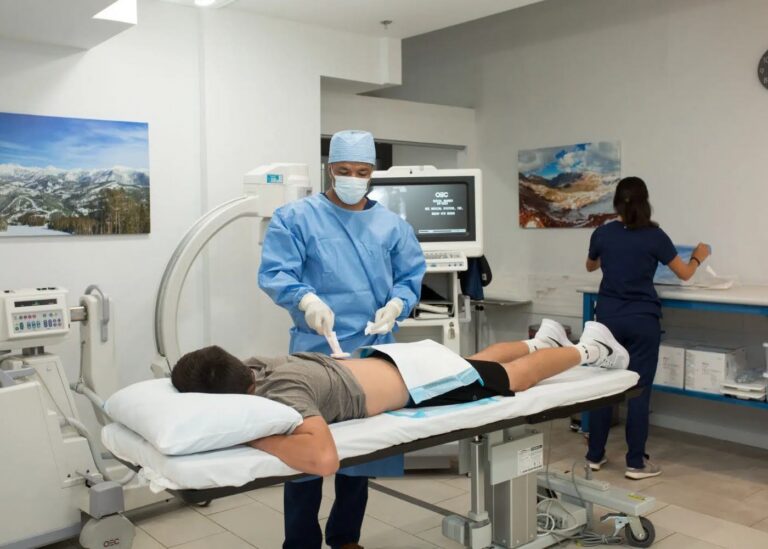
Where the PRP is injected matters as much as what is injected. Clinics that use ultrasound or fluoroscopy (X-ray guidance) can place PRP directly at the injury site. Without imaging guidance, injections rely on anatomical landmarks alone, which can reduce accuracy.
The AAOS notes that PRP is often injected into tendons, joints, or ligaments, where precise placement is important for effectiveness (AAOS – OrthoInfo).
Ask whether the clinic uses ultrasound or X-ray guidance for all PRP injections.
Step 4: Review Patient Results and Testimonials
Patient reviews can give you a sense of what to expect. Look for reviews on third-party platforms like Google or Healthgrades rather than relying solely on a clinic’s own website.
When reading reviews, pay attention to:
- How patients describe their overall experience
- Whether the clinic communicated realistic expectations
- How the team handled follow-up and aftercare
A clinic with consistently positive feedback across multiple platforms is generally a safer choice.
Step 5: Ask About Personalized Protocols
PRP is not a one-size-fits-all procedure. Your condition may require a different formulation, injection depth, or number of sessions than someone else’s. A good clinic will evaluate your specific situation before recommending a plan.
Personalized care often includes:
- A thorough initial consultation with imaging review
- A customized number of sessions based on your condition’s severity
- Integration with supportive therapies like physical therapy, hormone optimization, or peptide therapy
Avoid clinics that require a fixed package of three or four sessions for every patient without evaluating your individual needs first.
Step 6: Understand the Full Cost Upfront
PRP is typically not covered by insurance. Costs in the United States generally range from $500 to $2,500 per injection, depending on the area being treated, the preparation method, and the clinic’s location.
Before committing, ask for an itemized breakdown of costs. Some clinics bundle the consultation, blood draw, preparation, and injection into one fee. Others charge separately. Health Savings Accounts (HSA) and Flexible Spending Accounts (FSA) can often be used for PRP, so check with your plan administrator. Also, ask how long the initial consultation lasts. A thorough evaluation typically runs 60 to 90 minutes, which is much longer than a standard 15-minute appointment. A transparent pricing structure, with no surprise charges, is a sign of a clinic that values honesty with its patients.
Step 7: Evaluate Follow-Up and Aftercare Plans
PRP results are not immediate. Your body needs time to respond to the growth factors in the concentrated platelets. Some people notice early signs of improvement within a few weeks, but meaningful changes typically appear around four to eight weeks after the injection, with continued progress over the following months.
A quality clinic will schedule follow-up appointments to track your progress. Your aftercare plan should include clear guidelines on:
- Activity modifications after the procedure
- When to expect results
- Signs to watch for that may require additional attention
- Whether maintenance sessions could be beneficial
A strong clinic will also provide a written summary after your consultation with your diagnosis, recommended plan, and cost estimates so you can review everything at your own pace.
What Is PRP and How Does the Procedure Work?
Knowing how PRP works can help you ask better questions during your consultation. A provider draws a small amount of blood from your arm, places it in a centrifuge to separate the platelet-rich layer, and then injects the concentrated solution into the target area under ultrasound guidance. The PRP contains growth factors like platelet-derived growth factor (PDGF), vascular endothelial growth factor (VEGF), and transforming growth factor-beta (TGF-β), which may help promote tissue repair (NIH – PMC). The entire process typically takes 30 to 60 minutes in a single office visit.
Because PRP uses your own blood, the risk of allergic reaction or rejection is very low. Mild soreness, swelling, or bruising at the injection site may occur but usually resolves within a few days.
What Conditions May PRP Help With?
PRP has been studied across musculoskeletal, dermatological, and regenerative applications. While results vary from person to person, clinical reviews suggest PRP may offer benefits for certain conditions.
Common applications include:
- Joint pain and osteoarthritis: A review in Cureus found that PRP may help reduce pain and improve joint function in knee osteoarthritis patients (NIH – PMC).
- Tendon injuries: Tennis elbow, Achilles tendinitis, and patellar tendinitis are among the most commonly studied uses.
- Hair restoration: PRP may support hair follicle health and is sometimes used alongside stem cell therapy.
- Chronic pain management: Some providers use PRP for ongoing pain in the lower back, shoulders, hips, and knees as part of a broader regenerative plan.
PRP is not a guaranteed solution for every condition. A responsible provider will tell you upfront whether your situation is a good fit.
Conclusion
Choosing the right PRP provider comes down to credentials, preparation quality, imaging guidance, personalized care, transparent pricing, and strong follow-up.
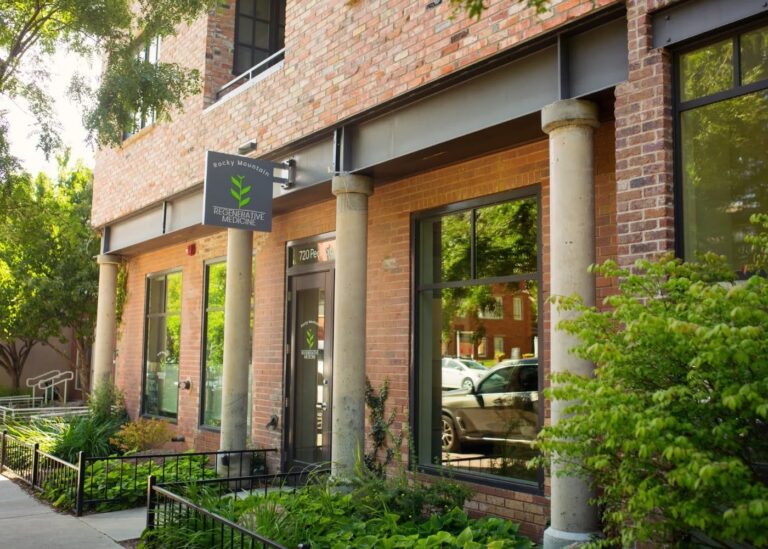
Rocky Mountain Regenerative Medicine (RMRM) in Boulder, Colorado, offers platelet-rich plasma therapy in Colorado as part of a whole-person approach to regenerative health. Every new patient receives a 60 to 90-minute initial consultation with Dr. Khoshal Latifzai, a Board-Certified Emergency Medicine physician who personally evaluates and treats all patients. Dr. Latifzai reviews your full health history, imaging, and lifestyle factors to identify root causes rather than just managing symptoms. After your consultation, you receive a written summary with your diagnosis, recommended plan, timeline, and cost estimates.
Before any procedure, RMRM may recommend pre-optimization steps like comprehensive biomarker testing, hormone assessment, and nutritional evaluation. PRP can also be combined with stem cell therapy, exosome therapy, shockwave therapy, or hyperbaric oxygen therapy through the Annual Membership Program. HSA and FSA payments are accepted. RMRM is located at 720 Pearl St, Ste 1B, Boulder, CO 80302, approximately 30 minutes from Denver and 45 minutes from Fort Collins.
Ready to find out if PRP is right for you? Contact RMRM or book an appointment to schedule your consultation.
Disclaimer: The information in this article is for educational purposes only and is not intended as medical advice. PRP outcomes vary by individual. Consult with a qualified healthcare professional before pursuing any procedure.